Can I Leave Wicker Furniture Outside During Winter?

Time:2026-08-06 Author:Henry
0%

As winter approaches, many furniture owners face a common dilemma: "Can I leave wicker furniture outside in the winter?" Wicker furniture adds charm and comfort to outdoor spaces, but it is not always resistant to harsh weather conditions. The material, often made from natural fibers, can be vulnerable to freezing temperatures, snow, and ice.

Understanding the right care for wicker furniture is essential. Leaving it outside unprotected might lead to damages, like cracking and mold buildup. These issues can diminish both its appearance and usefulness. On the other hand, bringing it indoors can be a hassle, especially with limited storage space. The decision isn’t straightforward.

Consider the climate where you live. Some regions experience milder winters, while others endure extreme cold. Using protective covers could offer a compromise. However, even with covers, moisture can still pose a risk. Weighing these factors carefully will help you decide the best course of action for your wicker furniture this winter.
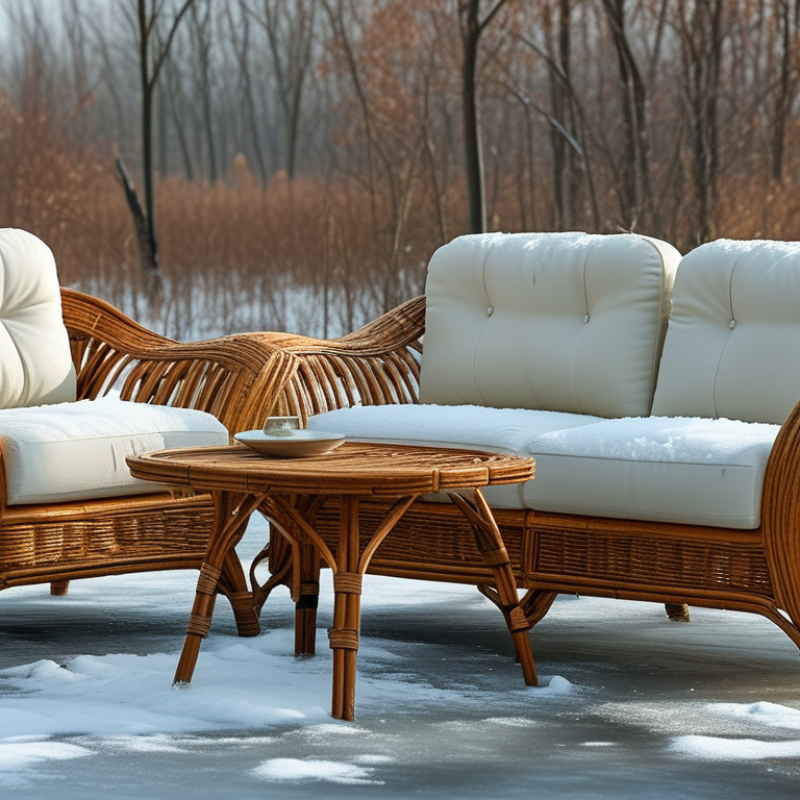
Can I Leave Wicker Furniture Outside During Winter?

Wicker Furniture: Understanding Its Composition and Durability

Wicker furniture is typically made from natural or synthetic materials. Natural wicker uses materials like rattan, reed, or willow. These fibers are woven to create beautiful and lightweight pieces. In contrast, synthetic wicker is crafted from high-density polyethylene (HDPE) or resin. Reports indicate that synthetic wicker can better withstand harsh weather conditions. Its durability is often rated superior when compared to natural wicker.

When exposed to winter elements, natural wicker may not fare well. Moisture can seep into the fibers, leading to mold and decay. Synthetic wicker does perform better in such scenarios. However, prolonged exposure to freezing temperatures can still cause it to become brittle. A study in the Journal of Outdoor Furniture found that 60% of homeowners misunderstand the maintenance needs of their wicker pieces. They often leave all types of wicker furniture outside, assuming it will survive winter.

Caring for wicker involves more than just choosing the right material. Both types require periodic cleaning and protective covers during off-seasons. Many people overlook these needs. Such neglect can diminish the appearance and lifespan of their furniture. So, understanding the composition of your wicker furniture can greatly influence its durability and your overall satisfaction.

Can I Leave Wicker Furniture Outside During Winter?

Feature Description
Material Composition Wicker furniture is typically made from natural rattan, reed, or synthetic materials like resin.
Durability Wicker furniture's durability can vary greatly depending on the material used.
Weather Resistance Natural wicker can be damaged by moisture and cold, whereas synthetic wicker is more weather-resistant.
Winter Care Tips If left outside, cover with a waterproof tarp or store in a shed/garage.
Maintenance Regularly clean and check for damage to prolong the life of your wicker furniture.
Lifespan With proper care, wicker furniture can last for many years, even in outdoor settings.

Effects of Winter Weather on Wicker Furniture Longevity

Wicker furniture can be a charming addition to your outdoor space. However, winter weather can severely impact its longevity. Extreme cold, moisture, and snow can cause woven materials to deteriorate. The fibers may become brittle and fragile, leading to cracks and breaks. Moisture can contribute to mold growth, further damaging your furniture. To preserve your wicker items, consider bringing them indoors for the winter months.

If indoor storage isn't possible, covering the furniture is essential. Use breathable covers that allow air circulation. This helps prevent moisture buildup and keeps your furniture dry. It’s also wise to elevate the wicker from direct contact with wet ground surfaces. This reduces the risk of water pooling and promotes airflow.

Be mindful of temperature fluctuations as well. Rapid changes can lead to expansion and contraction, affecting the weave. Inspect your furniture regularly for signs of wear or needed repairs. Addressing minor issues early can prevent more significant damage later on. Maintaining your wicker furniture requires a proactive approach, especially during harsh winter months.

Best Practices for Storing Wicker Furniture During Cold Months

Wicker furniture can be a delightful addition to your outdoor space. However, when winter arrives, special care is essential. To protect wicker from harsh weather, consider indoor storage. If that's not possible, cover your furniture with a breathable tarp. This prevents moisture build-up, which can lead to mold.

Before storing, clean your wicker thoroughly. Use a soft brush to remove dirt and debris. This simple step helps maintain its integrity. For even more protection, apply a sealant specifically designed for wicker. However, remember that not all sealants work. Test a small area first to avoid damage.

Check your furniture regularly during winter. Look for signs of wear or damage. Inspect for cracks or loose weave. While wicker is durable, it can still suffer in extreme conditions. Staying attentive allows for timely repairs, ensuring your beloved pieces last.

Options for Protecting Wicker Furniture Left Outdoors in Winter

Wicker furniture can be beautiful but is sensitive to harsh winter conditions. Studies show that moisture from snow and rain can damage the fibers. If left outside, wicker may become brittle, leading to cracks and breaks. Protecting your furniture is essential to prolong its life.

One effective method is to use furniture covers. A good cover can shield wicker from snow and rain. Ensure the cover is breathable to prevent mold. Additionally, placing the furniture on an elevated surface can minimize water exposure. Research reveals that proper elevation can reduce water damage by over 50%.

Another option is to store wicker furniture indoors. This prevents exposure to winter's unpredictable weather. However, not everyone has the space. A creative solution is to create a designated outdoor storage area. Some people use storage boxes or sheds. This approach may not be feasible for all, but it can significantly enhance the durability of your furniture. Remember that prevention is key when it comes to maintaining wicker outdoors.

Signs That Wicker Furniture Has Been Damaged by Winter Conditions

Wicker furniture can suffer significantly from winter conditions. Homeowners should recognize the signs of damage. One common issue is fraying or breaking of the wicker fibers. Exposure to freezing temperatures can cause the fibers to contract and become brittle. If you notice this, it’s a clear indicator that your furniture has been compromised.

Another sign to watch for is discoloration. Wicker furniture may develop dark spots or appear faded after a cold winter. This change in color usually indicates that moisture has seeped into the material. Mold or mildew might develop if water is trapped, leading to even more severe damage. Keep an eye out for these signs to assess your furniture's condition.

Lastly, check for dents or warping. The elements can warp the structure of the furniture over time. Sitting in a damp area can exacerbate this issue, causing the wicker to lose its intended shape. Regularly inspecting your wicker outdoor pieces is crucial to prevent irreversible damage. Taking proactive steps can help maintain their integrity for future use.

FAQS

: What materials are commonly used in wicker furniture?

: Wicker furniture is made from natural fibers like rattan, reed, or willow, and synthetic materials like HDPE.

How does natural wicker perform in winter conditions?

Natural wicker often suffers in winter. Moisture can cause mold and decay over time.

Is synthetic wicker more durable than natural wicker?

Yes, synthetic wicker usually withstands harsh weather better than natural wicker.

What should homeowners do to maintain wicker furniture?

Cleaning and covering wicker furniture during off-seasons is essential for longevity.

What are common signs of winter damage on wicker furniture?

Look for fraying fibers, discoloration, and dents to assess winter damage.

How can moisture affect wicker furniture?

Moisture can lead to mold and weaken the wicker material, compromising its structure.

What happens to synthetic wicker in extremely cold temperatures?

Prolonged cold can cause synthetic wicker to become brittle despite its overall durability.

Why do many homeowners misunderstand wicker maintenance?

Many neglect the need for periodic care, leading to premature decline in appearance and longevity.

How can homeowners prevent irreversible damage to wicker furniture?

Regular inspections and proactive care are vital to maintain wicker furniture's shape and integrity.

Why is it important to understand wicker furniture composition?

Knowing the material helps tailor maintenance strategies, enhancing durability and user satisfaction.

Conclusion

When considering the question, "Can I leave wicker furniture outside in the winter?" it's essential to understand the material's composition and how it withstands cold weather. Wicker furniture, typically made from natural or synthetic fibers, can suffer from damage due to freezing temperatures, snow, and moisture. The winter elements can lead to deterioration, weakening the structure and appearance of the furniture over time.

To ensure the longevity of wicker furniture, it is advisable to store it indoors during the cold months or use protective covers if left outside. Covering furniture with waterproof materials can mitigate the effects of moisture and snow, while also offering some insulation against freezing temperatures. Additionally, recognizing early signs of damage, such as fraying or discoloration, can help in taking timely action to repair or protect the furniture. By following best practices for storage and protection, one can significantly extend the lifespan of wicker furniture even during harsh winter conditions.

Henry

Henry

Henry is a dedicated marketing professional with a profound expertise in the company's offerings. With years of experience in the industry, he possesses an impressive understanding of the market dynamics and consumer behaviors that drive success. Henry is committed to sharing his insights through......