Cast aluminum has become a popular material in outdoor furniture and fixtures. However, a common question arises: "Why does cast aluminum get hot in the sun?" To shed light on this issue, we consulted Dr. Emily Harper, a leading materials scientist. She states, “The heat absorption of cast aluminum is significant due to its properties and exposure conditions.”
Cast aluminum is known for its lightweight and durable characteristics. However, these attributes come with a caveat. When exposed to direct sunlight, cast aluminum can heat up rapidly. This happens because aluminum has a high thermal conductivity. As sunlight hits its surface, the material absorbs heat. It does not take long for the aluminum to reach uncomfortable temperatures.
Understanding why cast aluminum heats up in sunlight is crucial for consumers. Knowing this can guide choices for outdoor furniture or cooking equipment. The experience can also be frustrating for those unprepared for the heat. A thoughtful approach to use and placement can mitigate the discomfort associated with hot surfaces.
Understanding the Thermal Properties of Cast Aluminum in Sunlight
When exposed to sunlight, cast aluminum surfaces heat up significantly. This phenomenon can be primarily attributed to the material's thermal properties. Cast aluminum has a low specific heat capacity, meaning it requires less energy to increase its temperature. Consequently, when sunlight hits the surface, the material absorbs heat quickly.
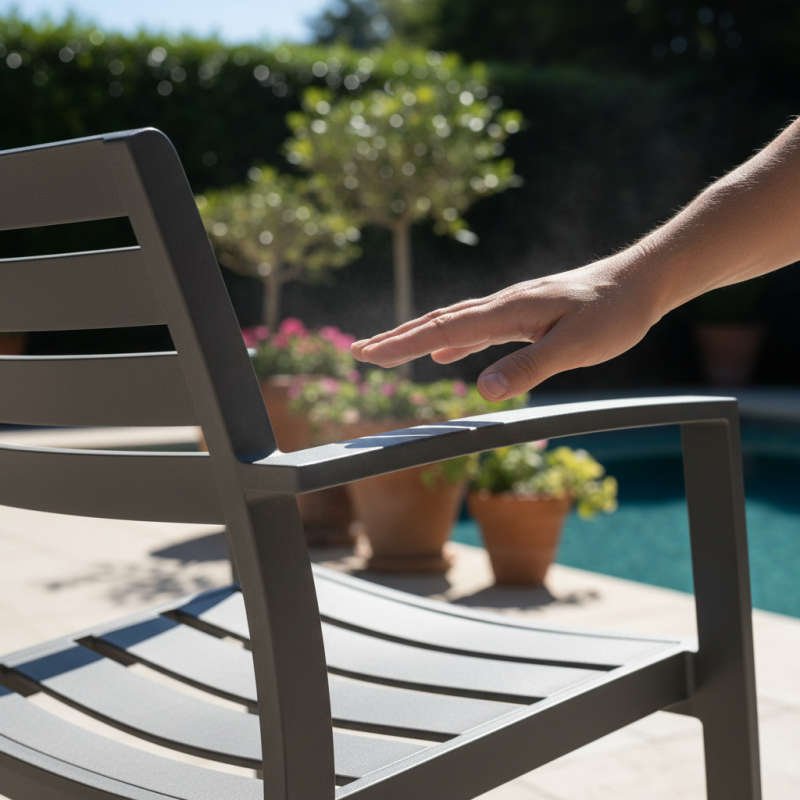
The color of cast aluminum also plays a crucial role. Most cast aluminum items are metallic and reflective. However, sunlight can still penetrate these surfaces. Over time, this heat accumulation becomes noticeable. One might observe how quickly a cast aluminum chair becomes uncomfortable to sit on during a summer afternoon.
It’s worth noting that while cast aluminum is lightweight and durable, its heat absorption can pose challenges. Sometimes, outdoor furniture may not offer a restful experience. Users might consider using cushions or covers to mitigate direct sunlight exposure. Reflecting on these aspects enhances our understanding of thermal dynamics in everyday materials.
Understanding the Thermal Properties of Cast Aluminum in Sunlight
| Property |
Value |
Unit |
| Thermal Conductivity |
150 |
W/m·K |
| Specific Heat Capacity |
0.9 |
kJ/kg·K |
| Thermal Expansion Coefficient |
22 |
µm/m·K |
| Melting Point |
660 |
°C |
| Reflectivity |
80 |
% |
| Density |
2700 |
kg/m³ |
The Role of Color and Finish in Heat Absorption of Aluminum Alloys
When exposed to sunlight, cast aluminum can heat up significantly. The color and finish of aluminum alloys play a crucial role in their heat absorption properties. Darker colors absorb more heat than lighter shades. This is because darker surfaces have lower reflectivity and higher thermal conductivity.
The finish of the aluminum also affects heat absorption. A smooth, polished surface reflects more sunlight than a rough, matte finish. If you want your aluminum items to stay cooler in the sun, choose lighter colors and smoother finishes.
Tips: Consider using reflective coatings on aluminum surfaces. These can enhance heat reflection. Also, placing items in shaded areas can reduce heat build-up. If your aluminum is already hot, rinsing it with cool water can help cool it down quickly. Understanding these properties can help you manage heat effectively.
Specific Heat Capacity of Cast Aluminum and Its Impact on Temperature Rise
Cast aluminum is a popular material used in various applications, but its temperature behavior in sunlight can be surprising. The specific heat capacity of cast aluminum, which is around 0.9 J/g°C, plays a significant role in how quickly it absorbs heat. This value indicates how much energy is required to change the temperature of the material. Due to its relatively low specific heat capacity, cast aluminum heats up quickly when exposed to direct sunlight.
For instance, studies have shown that when placed in the sun, cast aluminum can reach temperatures of over 60°C within an hour. This fast temperature rise can be a concern for users, especially in outdoor applications. The thermal conductivity of cast aluminum also contributes to this rapid warming. Materials with high thermal conductivities transfer heat efficiently, resulting in an increased temperature.
Tips: Always consider shading options for outdoor cast aluminum structures. Reflective coatings can also help minimize heat absorption. Ensuring proper ventilation can aid in dissipating heat more effectively. Lastly, be cautious when touching cast aluminum after it has been in the sun, as it may reach dangerous temperatures quickly.
Comparison of Cast Aluminum with Other Metals in Sun Exposure Scenarios
Cast aluminum is often used in various outdoor applications. When exposed to direct sunlight, its surface can heat up significantly. This is due to its high thermal conductivity, which allows it to absorb heat quickly. In comparison, metals like stainless steel and cast iron heat up differently. Stainless steel, for instance, reflects more sunlight and may not feel as hot in the same conditions.
Cast iron, on the other hand, heats up more slowly but retains heat longer. This longer heat retention can be beneficial or detrimental, depending on the situation. Users should be cautious when handling these metals after exposure to the sun. Sometimes, individuals overlook these differences, assuming all metals react the same way to sunlight. This can lead to unexpected burns or discomfort.
Understanding how cast aluminum compares to other metals helps in making informed decisions for outdoor products. Each metal reacts uniquely to sun exposure, impacting usability and safety. It's important to evaluate these characteristics before purchasing items for high-temperature environments. Consideration of materials ensures a better experience under the sun.
Practical Applications of Heat Management in Cast Aluminum Products
Cast aluminum is a popular choice for many outdoor applications. However, it can absorb heat when exposed to the sun. This characteristic raises concerns about heat management in various products, ranging from garden furniture to automotive components. In situations where heat absorption is inevitable, understanding practical solutions is essential.
One effective method to manage heat is by choosing lighter colors for cast aluminum products. Light colors reflect sunlight, keeping the surface temperature cooler. Additionally, incorporating heat-resistant coatings can significantly reduce heat absorption. These coatings act as a barrier, minimizing direct contact between the aluminum and sunlight.
Tips for managing heat include spacing your cast aluminum products away from heat sources. This strategy allows for better air circulation. Another tip is to use shade structures when possible. Umbrellas or canopies can protect items from direct sunlight, prolonging their lifespan. Remember, while heat management techniques can help, vigilance is key in determining the best practices for your specific needs.
FAQS
: Darker colors absorb more heat than lighter shades due to lower reflectivity.
A smooth, polished surface reflects more sunlight than a rough, matte finish.
Cast aluminum can reach temperatures over 60°C within an hour of sun exposure.
The specific heat capacity of cast aluminum is around 0.9 J/g°C.
Consider using reflective coatings and placing items in shaded areas to reduce heat.
Stainless steel reflects more sunlight, often feeling cooler than cast aluminum in the sun.
Be careful, as metals can reach dangerous temperatures after sun exposure.
Many overlook the differences in heat absorption among metals, leading to discomfort.
Cast iron heats up more slowly but retains heat longer than cast aluminum.
Knowing how metals react to sun exposure helps ensure safety and usability in high-temperature environments.
Conclusion
The article titled "Why Does Cast Aluminum Get Hot in the Sun?" delves into the thermal properties of cast aluminum, revealing how its composition and structure contribute to heat retention when exposed to sunlight. It discusses the significant role that color and finish play in the heat absorption of aluminum alloys, highlighting how lighter shades can reflect sunlight, while darker finishes may exacerbate heat absorption.
Furthermore, the piece examines the specific heat capacity of cast aluminum, indicating its capacity to absorb and retain heat, thus influencing temperature rise under prolonged sun exposure. A comparison with other metals is made to illustrate differing responses to solar radiation, and the article concludes with practical applications of heat management in cast aluminum products, emphasizing the importance of understanding thermal behavior for effective usage in outdoor conditions.

 GIVANI Furniture