Choosing outdoor furniture often feels simple until weather, maintenance, and long-term value enter the decision. Polywood furniture has become popular because it resembles painted wood while using recycled high-density polyethylene. In my experience, a Polywood Adirondack chair can remain stable through rain, strong sunlight, and busy family use. It does not demand the yearly staining that many wooden pieces require. That convenience is meaningful for patios, porches, and coastal homes.
Still, durability does not make Polywood perfect. The material is heavy, which helps a dining table stay steady but makes rearranging it difficult. Darker colors may also become warm under direct summer sunlight. Its recycled construction sounds environmentally responsible, yet manufacturing, shipping, and eventual disposal deserve honest consideration. These details are easy to overlook.
So, What are the pros and cons of polywood furniture? This guide examines that question through practical use, material performance, care requirements, and purchase value. It considers evidence commonly provided by manufacturers, alongside everyday concerns that product descriptions may soften. Polywood furniture can deliver dependable outdoor comfort, but expectations should remain realistic. It may not offer the natural grain, lighter weight, or lower entry price of traditional wood. That is not a failure. It is a trade-off.
A careful buyer should compare climate, storage space, design preferences, and budget before ordering. Check the warranty. Inspect the hardware. Think beyond the first season.
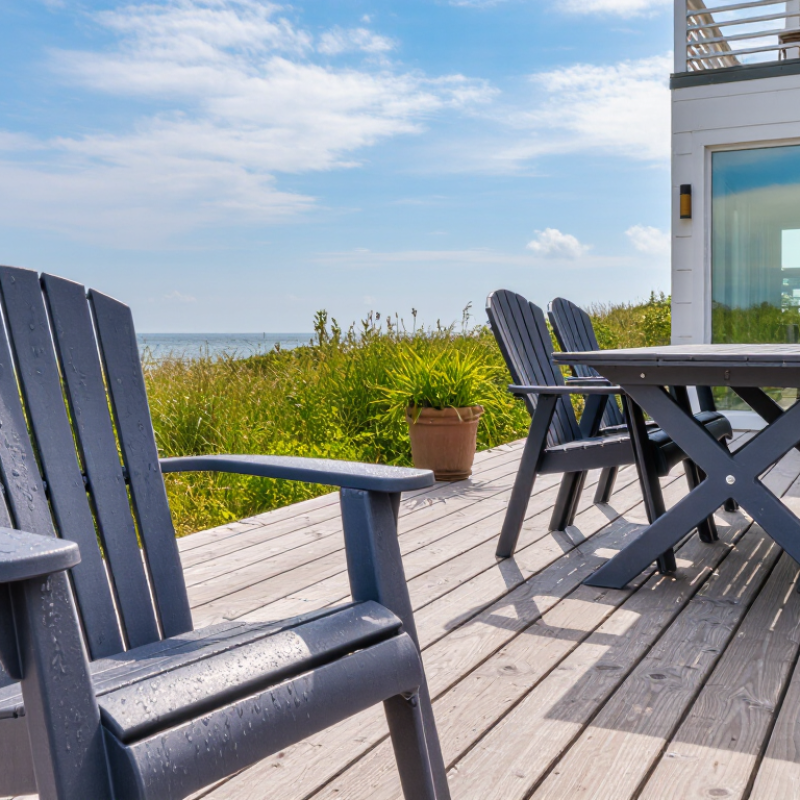
Polywood furniture is made from recycled high-density polyethylene, or HDPE, rather than natural wood. It is not wood. Common feedstock includes used milk containers, detergent bottles, and other post-consumer plastics. The U.S. Environmental Protection Agency reported that Americans generated 35.7 million tons of plastic waste in 2018, while only 3.1 million tons were recycled. That figure shows why recovering suitable HDPE matters, although recycling rates remain disappointingly low.
Manufacturing usually begins with sorting, washing, and shredding the plastic into small flakes. The flakes are then melted, blended with colorants and UV stabilizers, and formed into dense boards or molded parts. Controlled heat and pressure create a consistent surface with no wood grain to seal.
In practical use, this construction resists moisture, insects, and cracking better than many untreated timber products. The material is also heavy, which helps a chair stay steady on a windy patio. However, it can become hot in direct sunlight, and damaged pieces are not always accepted by local recycling programs.
The Association of Plastic Recyclers emphasizes that product design and material separation strongly affect recycling outcomes. That is an important weakness. “Recyclable” does not guarantee recycling.
Manufacturers should disclose recycled content, additives, maintenance needs, and end-of-life options. Consumers should ask for that information before choosing outdoor furniture.
Polywood furniture is made from recycled high-density polyethylene, a plastic designed for outdoor use. In practical patio inspections, its strongest advantage is weather resistance. Rain does not cause rot, and ordinary moisture will not invite termites. The solid construction also avoids splinters, which matters around children and bare feet. It feels dependable. Quality pieces usually contain UV stabilizers, helping the color resist long periods of sunlight.
Maintenance is refreshingly simple. A soft brush, mild soap, and water usually remove dust, pollen, and food marks. There is no regular staining, sealing, or painting schedule. That saves time for busy homeowners. The dense material also handles frequent use well, especially on patios where chairs move across concrete. Still, dragging heavy furniture can leave marks on delicate surfaces. Felt pads are a sensible precaution.
Polywood furniture is not perfect. Thick boards can become hot under direct summer sun, so cushions may improve comfort. The pieces are often heavy, which helps during windy weather but makes rearranging difficult. They can also cost more than basic plastic furniture. I once assumed “low maintenance” meant “maintenance-free.” That was careless. Dirt can still collect in textured surfaces, and sharp objects may scratch the finish. These small drawbacks deserve attention before choosing a full outdoor set.
Recycled-plastic furniture looks durable, but its drawbacks deserve careful attention. The material is dense, so a large dining chair can feel awkward to move across a patio. That weight helps stability during strong winds. It also complicates storage. A practical inspection often reveals another issue: dark surfaces become uncomfortably hot under direct summer sunlight. The U.S. Department of Energy reports that dark outdoor surfaces can absorb substantially more solar energy than light surfaces, although the exact temperature depends on airflow and location. Color matters.
Price can also surprise buyers. Recycled plastic lumber usually costs more than basic molded resin furniture because it uses thicker sections and longer manufacturing cycles. Surface scratches remain visible, especially on smooth finishes. Repairs are rarely invisible. Seasonal movement deserves attention too. Plastic expands and contracts with temperature changes, so poorly designed joints may loosen over time.
Environmental claims require restraint. The U.S. Environmental Protection Agency reported 35.7 million tons of plastic waste in American municipal solid waste in 2018, with only 8.7% recycled. Recycled content reduces demand for virgin material, but it does not guarantee easy recycling later. Local facilities may not accept bulky furniture. The Ellen MacArthur Foundation’s circularity reports also stress that product design and collection systems determine real-world recovery. That detail is often missed. Buyers should check fasteners, warranty terms, and local disposal options before choosing this material. I would not treat “maintenance-free” as a complete promise.
Polywood furniture is made from recycled high-density polyethylene, often shaped to resemble painted wood. In outdoor settings, it handles rain, salt air, and strong sunlight better than ordinary timber. I have found that its solid weight helps chairs stay steady on patios during windy afternoons. The surface also resists splinters, which matters for families using barefoot pool areas.
Compared with teak, Polywood needs less oiling and develops fewer visible cracks. Teak feels warmer and more natural, but it can demand regular care for consistent color. Aluminum is lighter and easier to move, although hollow frames may feel less substantial. Steel offers strength, yet exposed scratches can invite rust. Wicker looks comfortable and decorative, but its synthetic strands may weaken after years of intense sun. Polywood can seem bulky, and its wood-like texture is not completely convincing up close. That is a fair trade-off, though not for everyone.
Tips: Check the frame joints, drainage design, and hardware before buying. Choose light colors for very hot climates, since dark surfaces become uncomfortable under direct sun. Leave space between pieces for airflow and easier cleaning. A mild soap, soft brush, and fresh water usually handle dust and pollen. Avoid abrasive pads. I once underestimated winter storage needs; even durable furniture benefits from a covered, dry location. Polywood is low-maintenance, not maintenance-free.
Before buying, inspect the material, not just the seaside appearance. Recycled-plastic lumber furniture can resist moisture, insects, and peeling better than many wood products. That advantage matters on a damp balcony or beside a chlorinated pool. Still, it is heavy. The U.S. Environmental Protection Agency’s 2018 Facts and Figures report recorded 35.7 million tons of plastic waste. Only 8.7% was recycled. Ask whether the furniture uses verified post-consumer content, because recycled claims can remain vague. Look for ASTM D6662 compliance when possible. This standard covers polyethylene plastic lumber, not every complete chair.
Comfort deserves equal scrutiny. Sit for ten minutes. Check seat flex, arm height, drainage, and bolt access. Dark colors can become hot in direct sun, while thick boards may retain heat. UV stabilizers slow fading, but they do not make color permanent. The International Casual Furnishings Association’s 2023 consumer research identified durability and easy maintenance as major outdoor-furniture concerns, yet replacement costs still depend on hardware quality. That is easy to miss. Stainless fasteners help, but they can still stain near saltwater. Measure doorways first; a large assembled chair may not fit through a narrow stairwell. Personally, I would trade a slightly less polished finish for repairable parts and documented material content. That judgment is subjective.
It is made from recycled high-density polyethylene, not natural wood. Common inputs include milk containers and detergent bottles.
Workers sort, wash, and shred plastic into small flakes. The flakes are melted, colored, stabilized against sunlight, and pressed into dense boards.
It resists moisture, insects, peeling, and cracking better than many untreated timber products. That helps on balconies or beside pools.
Usually not. Its weight can steady a chair during strong wind, but narrow stairwells may become a problem.
Yes. Dark surfaces can become very hot under direct sun. Thick boards may hold heat longer.
Ask for verified post-consumer content and information about additives. Check the hardware, board thickness, drainage, and repair options.
Sit for ten minutes. Check seat flex, arm height, water drainage, and bolt access.
No. Local programs may reject damaged or mixed plastic parts. “Recyclable” does not guarantee recycling.
UV stabilizers can slow fading, but colors are not permanent. Stainless fasteners help, yet saltwater may still cause staining.
Not automatically. It recovers useful plastic, but recycling rates remain low and disposal options can be unclear. I would want documented content and a realistic end-of-life plan.
Polywood furniture is made from recycled plastic materials that are processed, shaped, and finished to create durable outdoor seating, tables, and accessories. Its main advantages include strong resistance to moisture, insects, fading, and everyday outdoor wear. It also requires minimal maintenance, since it generally does not need painting, staining, or special sealing. In addition, using recycled materials can make it an appealing choice for people who value sustainability and long-term use.
What are the pros and cons of polywood furniture? Although it is durable and convenient, it may be heavier and more expensive than some wood or lightweight plastic alternatives. Its appearance may also feel less natural than genuine wood, and darker colors can become warm in direct sunlight. Compared with metal, wood, and other outdoor materials, polywood offers a balanced combination of comfort, longevity, and easy care. Before buying, consider your budget, preferred style, local weather, available storage, furniture weight, and the amount of maintenance you are willing to provide.

GIVANI Furniture