Why are some outdoor chairs more expensive than others? The difference is rarely just a logo or a stylish shape. Look closely at the frame, joints, fabric, and finish. A chair built with corrosion-resistant aluminum, carefully welded connections, and solution-dyed fabric may cost more than one using lighter components and basic upholstery. But higher prices do not automatically guarantee a better fit for every patio.
Design details matter, too. Furniture designer Charles Eames once said, “The details are not the details. They make the design.” His point helps explain why small choices—smooth edges, stable legs, replaceable glides, or a finish that resists fading—can affect both comfort and longevity. Still, that is not the whole story. Brand reputation, production scale, shipping, and warranty coverage can also shape a chair’s price. Some costs reflect real materials and workmanship; others may reflect positioning in the market. It can be hard to tell from a product photo alone. A close-up of the hardware helps, but it cannot reveal how a chair performs after seasons of rain, sun, and daily use. This guide examines the factors behind outdoor-chair pricing, what features are worth checking, and where a lower-cost option may be perfectly sensible. No single price tells the full story. The useful question is whether the construction, comfort, and care requirements match your space and expectations.
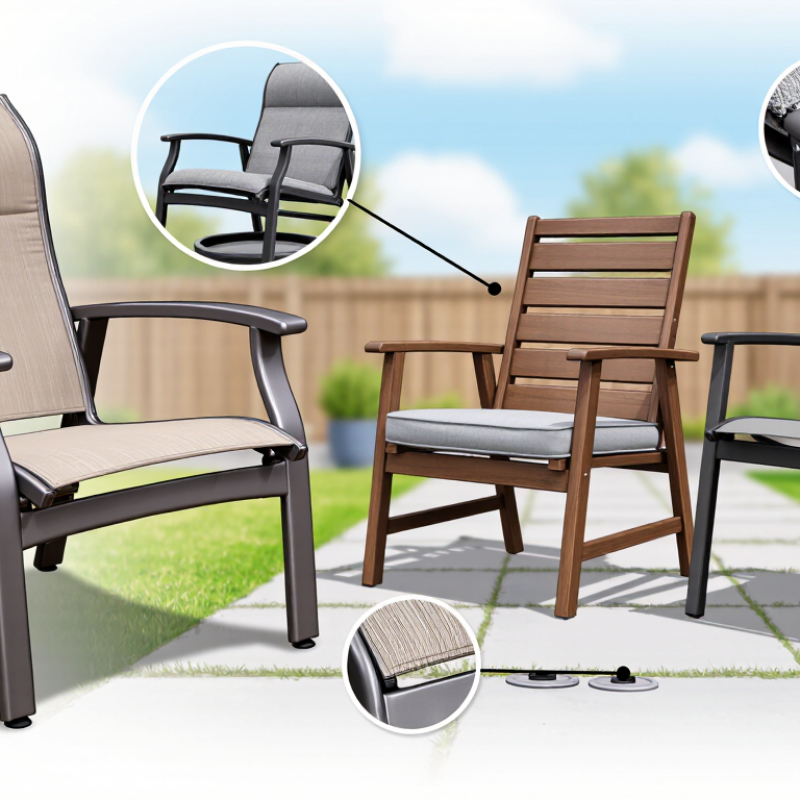
An outdoor chair’s base price reflects its materials, construction, and the work required to make it. A simple molded chair may use fewer parts and less assembly. A chair with a welded metal frame, shaped arms, and reinforced joints usually takes more labor. Details matter. Teak and other weather-resistant woods can cost more than common plastics, while powder-coated aluminum balances low weight with corrosion resistance. Still, material names alone do not guarantee long service.
The finish and seating also affect the price. A tight, evenly applied coating takes care and equipment. Outdoor cushions add fabric, filling, and stitching costs; removable covers may raise the price but make cleaning easier. Design can matter, too. Curved frames or carefully finished edges take extra production time. Not always. A higher price does not automatically mean a better fit for your patio.
Tips: Check the frame joints, underside, and finish for rough edges or uneven seams. Ask whether cushions are included and how the materials handle sun and rain. Compare the chair’s weight and dimensions with your space. Measure twice. A modest chair with sturdy construction may suit your needs better than a costly design with features you will rarely use.
Outdoor chair prices often reflect the material beneath the finish. Aluminum is light, easy to move, and resistant to rust, but thin tubing can flex with frequent use. A durable powder coating helps protect it; deep scratches may leave the metal vulnerable to moisture. Teak contains natural oils that help it withstand damp weather, though well-made boards cost more and still need occasional cleaning. Steel can feel reassuringly solid, but its weight and protective coating affect both price and lifespan. Small details matter.
Synthetic wicker varies widely in quality. Tightly woven strands over a sturdy frame usually hold up better than brittle strands that crack in strong sun. Check the frame, not just the weave. Cushion fabric also changes the cost: solution-dyed materials often resist fading better, while inexpensive fabric may lose color or feel rough after a season outdoors. I once assumed heavier always meant better; that is not quite true. A heavy chair can be awkward to store, and a light one can last for years if its joints and finish are sound. Match the material to your weather and how much care you’ll realistically give it.
Typical outdoor-chair material comparisons. Prices are approximate U.S. retail ranges per chair in USD and can vary with design, construction, finish, and included cushions.
| Material | Typical Price per Chair | Weather Resistance | Typical Service Life | Maintenance | Why It Affects Cost |
|---|---|---|---|---|---|
| Polypropylene resin | $30–$120 | Resists moisture and will not rust. Prolonged sun exposure can cause fading or brittleness, especially in lower-grade plastic. | About 5–10 years with regular outdoor use | Wash with mild soap and water; store or cover during long periods of harsh weather. | Usually among the least expensive options because it is lightweight and can be molded in high volumes. UV-stabilized resin and thicker construction generally cost more. |
| Powder-coated steel | $50–$200 | Strong and suitable for outdoor use when the coating is intact. Scratches or chips can expose steel to rust, particularly in damp or coastal settings. | About 5–10 years; potentially longer with careful upkeep | Clean regularly, keep the coating intact, and touch up chips promptly. Avoid leaving water trapped in joints. | Steel is relatively affordable and sturdy. Heavier frames, corrosion-resistant preparation, and durable coatings can raise the price. |
| Aluminum | $100–$350 | Does not rust like steel and handles rain well. Finishes can still scratch or fade, and salt exposure may affect some finishes over time. | About 10–20 years | Rinse off dirt and salt, clean with mild soap, and check joints and fasteners periodically. | Light weight and natural corrosion resistance add value. Weld quality, thicker tubing, refined finishes, and more involved frame designs increase cost. |
| High-density polyethylene (HDPE) lumber | $150–$450 | Highly resistant to moisture, rot, and splintering. Quality outdoor-grade products generally retain color better than ordinary plastics. | About 10–20 years, depending on exposure and construction | Wash with soap and water. Check hardware periodically; the material does not need painting or sealing. | Dense material and substantial components use more raw material and can be heavier to ship. Recycled content, color consistency, and robust hardware also influence price. |
| Teak | $250–$800 | Natural oils help teak withstand outdoor moisture. Left untreated, it gradually weathers to a silvery gray; prolonged dampness can still encourage surface mildew. | About 15–25 years or more with suitable care | Clean periodically. Apply teak oil or sealer only if maintaining a warmer color is desired; allow the wood to dry between wet periods. | Cost reflects the wood’s quality, grade, dimensions, and joinery. Responsibly sourced, well-seasoned teak and precise construction typically command higher prices. |
| Stainless steel | $180–$600 | Strong and corrosion-resistant, but performance depends on the steel grade and environment. Salt and deposits can cause staining or corrosion if not rinsed away. | About 15–25 years with suitable grade and care | Clean and rinse regularly, especially near the sea. Use cleaners suitable for stainless steel and avoid chlorine-based products. | Material grade, frame thickness, welding, and finishing all affect price. Higher corrosion resistance and heavier-duty construction generally cost more. |
| Outdoor fabric on a metal frame | $100–$400 | Quick-drying, UV-resistant fabrics are designed for outdoor use, but sunlight and moisture gradually wear fibers and colors. Frame durability depends on its metal and finish. | About 5–12 years; fabric may need replacement before the frame | Brush off debris, clean spills promptly, and let cushions dry fully. Store removable cushions in a dry place when not in use. | Fabric fiber, UV and water resistance, cushion filling, replaceable components, and frame construction all contribute to the final price. |
Note: Service-life estimates are general, not guarantees. Full-time sun, coastal salt, freeze–thaw cycles, storage, maintenance, and build quality can substantially affect how long a chair lasts.
An outdoor chair’s price often reflects what is inside its frame, not just its shape. Thicker, well-finished metal tubing can resist bending better than thin tubing, while properly dried hardwood is less likely to warp as moisture changes. Joints matter, too. Tight welds, reinforced corners, and corrosion-resistant fasteners take more time and care to produce. These details may be hard to spot in a product photo, but they affect how the chair feels when you sit down and how it holds up after repeated use.
Craftsmanship adds labor that cheaper construction may skip. Look for smooth edges, even spacing, and a stable frame that does not wobble on a level surface. A woven seat should have consistent tension, and moving parts should open without grinding or catching. Better workmanship can reduce early repairs, though it cannot make every chair suitable for every climate. Even a carefully built chair may need covering or seasonal storage. Price alone is not proof of quality; I have seen simple designs outperform more elaborate ones when their joints and materials were better chosen.
Tips: Check the underside, joints, and finish before buying. Ask what care the materials need, then consider whether you will actually provide it. A small flaw is not always a deal-breaker, but loose hardware or rough welds deserve a closer look.
Design can make an outdoor chair cost more before it ever reaches a patio. A curved back may require a custom frame, extra tooling, and repeated comfort testing. Tightly woven seats and carefully finished joints also take more labor than simple, straight components. You can feel the difference in details: an armrest that meets the frame without a sharp edge, or a seat that stays firm after months outdoors. Small touches. Real costs.
Brand reputation adds another layer. Buyers often pay for confidence that a chair will look and feel consistent, and that replacement parts or care guidance will be available. Grand View Research’s Outdoor Furniture Market report valued the global market at $50.4 billion in 2023 and projected 5.9% annual growth through 2030. That growth signals a crowded, competitive category; it does not prove that a higher-priced chair is better. Reputation can reflect years of quality control, but it can also become a premium attached to familiar styling.
Look beyond the name on the tag. Compare frame construction, fabric specifications, weight limits, finish, and warranty terms. Ask how the chair handles sun, rain, and frequent movement. A sleek silhouette may justify added design and production costs, yet not every elegant detail improves comfort. I’d be cautious there. The fairest price is the one supported by useful design, durable construction, and clear service—not appearance alone.
Typical retail price ranges vary with materials, construction, design, and brand positioning.
Higher prices often reflect durable materials, weather-resistant finishes, more involved construction, distinctive design, and brand reputation. These broad, illustrative US retail price ranges are not a standardized market survey; prices vary by retailer, region, size, and features.
Outdoor chairs with similar shapes can differ sharply in price because they handle weather differently. A frame made from corrosion-resistant aluminum may need little more than an occasional rinse, while untreated steel can develop rust where water sits. In coastal air, salt can speed that wear. Small details matter.
Fabric and joinery affect upkeep, too. Solution-dyed outdoor fabric usually resists fading better than ordinary cloth, though pollen and spilled drinks still need prompt cleaning. Tight seams and drainage gaps help water escape after rain. “Weather-resistant” does not mean waterproof, and leaving cushions wet for days can invite mildew. Covers help, but trapped moisture under a poorly ventilated cover may cause its own problems.
Long-term value depends on the care a chair realistically receives. A lower-priced chair may be sensible for a shaded porch, while a more weather-tolerant frame can be worthwhile in full sun or frequent rain. Check whether screws are accessible and cushions can be replaced; those details can extend useful life without replacing the whole chair. It is easy to overestimate how diligent maintenance will be. If wiping down furniture every week sounds unlikely, choose materials that tolerate missed cleanings, and inspect joints after winter rather than assuming they are fine.
Aluminum is lightweight and resists rust. Thin tubing may flex with frequent use. Deep scratches can leave metal exposed to moisture.
Teak’s natural oils help it handle damp weather. Well-made boards often cost more, and occasional cleaning is still needed.
Steel feels solid, but its weight and protective coating affect its price and lifespan. Heavy can be awkward.
Check the frame as well as the weave. Tightly woven strands on a sturdy frame usually last longer in strong sun.
Solution-dyed fabric often resists fading better. Cheaper fabric may lose color or feel rough after one outdoor season.
Curved backs may require custom frames, extra tooling, and comfort testing. Carefully finished joints also take more labor.
No. Reputation may reflect consistent quality, but it can also add a premium for familiar styling. I’d check the details.
Compare the frame, fabric, weight limit, finish, and warranty. Ask how the chair handles sun, rain, and frequent movement. A sleek shape alone may not improve comfort.
Why are some outdoor chairs more expensive than others? The answer lies in more than appearance. A chair’s base price reflects its materials, construction, and intended use. Lightweight, lower-cost materials may suit occasional use, while stronger, carefully selected materials can offer greater stability and durability. Skilled craftsmanship, reinforced joints, precise assembly, and thoughtful ergonomic design also require more time and expertise, which can raise the price.
Weather resistance and maintenance needs help determine a chair’s long-term value. Finishes and materials that withstand sun, moisture, and temperature changes may cost more initially but can reduce upkeep and extend the chair’s useful life. Design details and a maker’s reputation may add to the cost as well, especially when they reflect consistent quality and careful attention to form. Comparing these factors—not just the sticker price—can help buyers choose an outdoor chair that fits their budget, setting, and expectations for lasting comfort.
GIVANI Furniture