When the wind picks up, outdoor furniture can become a hazard. Many people wonder, "How to stop outdoor furniture from blowing away in the wind?" This question is crucial for both safety and preserving your valuable pieces. If furniture is not secured, it can cause damage to nearby plants, structures, or even people.
Weather changes frequently. That means outdoor furniture requires careful attention and strategic planning. Owners often overlook simple yet effective methods to keep their chairs and tables secure. An unweighted table may fly across your patio, leading to costly repairs. Awareness of this risk is essential for any outdoor space.
In this guide, we will explore the top 10 ways to keep your outdoor furniture safe during windy conditions. Each suggestion is practical and easy to implement. You don’t need to be an expert to make smart choices for your patio. With a few adjustments, you can enjoy your outdoor area regardless of the weather.
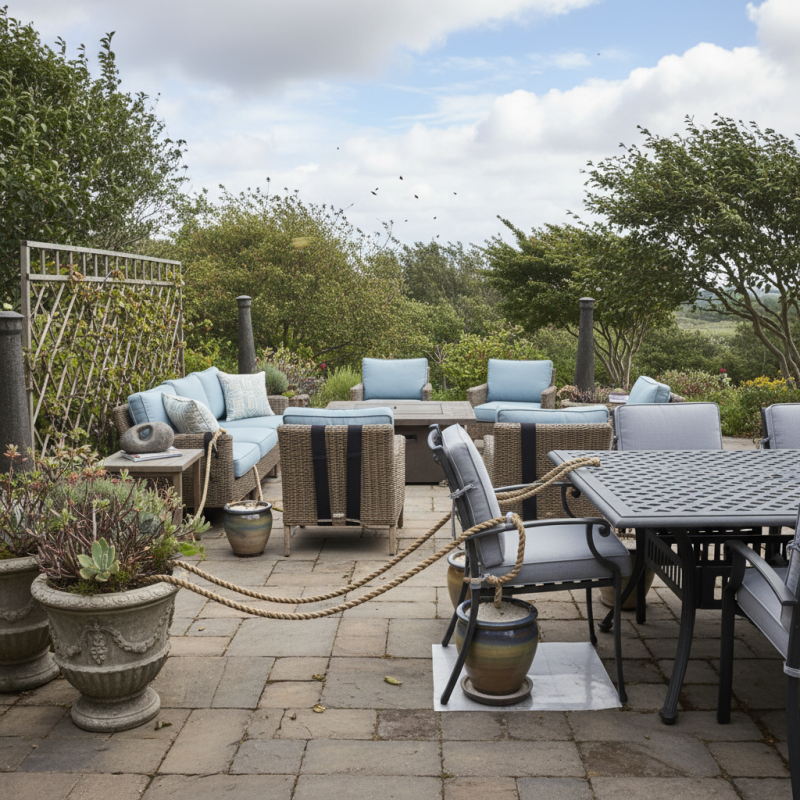
When selecting outdoor furniture, material choice plays a crucial role in wind resistance. For instance, metal furniture is often more durable against strong winds. Aluminum and wrought iron are common options known for their weight and sturdiness. However, buying cheaper metal can result in rust. You should evaluate the manufacturer’s commitment to quality. High-quality finishes can mitigate this issue.
Wood is another popular choice for outdoor furniture. While hardwoods like teak are dense and resilient, softwoods tend to be vulnerable in high winds. They can easily warp or crack over time. Regular maintenance, including sealing and staining, can enhance wood’s durability. But keep in mind, even well-maintained wood can succumb to harsh conditions.
Plastic outdoor furniture is lightweight but can be easily tossed by strong gusts. Certain high-density polyethylene (HDPE) options are sturdier and designed for outdoor use. Yet, not all plastics are created equal. Some may fade quickly under UV light. Assessing the material types before purchasing is vital. It ensures your furniture withstands the elements, ensuring both durability and stability.
Wind can be a powerful force, especially in outdoor spaces where furniture is often vulnerable. Utilizing
weights and anchors can provide a practical solution to
secure your outdoor items effectively. According to the American Society of Landscape Architects, nearly 30% of outdoor furniture damage occurs due to winds exceeding 20 miles per hour. This highlights the importance of proactive measures.
To secure furniture, consider heavy weights. These can be concrete blocks or heavy stones placed on the legs of chairs and tables. Using weights can lower the risk of injury or damage. Many reports suggest that adding a weight equivalent to 10% of the furniture's total weight significantly reduces movement in strong winds. This simple tactic can greatly extend the life of your outdoor setup.
Anchoring is another effective approach. Using anchor straps can stabilize larger pieces like patio umbrellas and furniture sets. Industry experts advise using anchor systems that are weather-resistant to ensure durability. However, it’s crucial to regularly check and adjust these anchors. Over time, they can loosen due to environmental factors. Addressing these potential issues can improve safety and maintain aesthetic appeal. The combination of weights and anchors is not foolproof but can greatly enhance outdoor furniture security during windy conditions.
When it comes to keeping outdoor furniture secure during windy seasons, smart storage solutions make a significant difference. Investing in durable storage options can help protect your furniture from harsh weather. Consider using weather-resistant storage benches or box cushions to keep items protected when not in use.
Tip: Always store lightweight chairs or tables indoors during stormy weather. They are prone to damage and can easily tip over. A well-organized shed or garage can serve as an ideal space for this.
Another approach to secure your furniture is using furniture covers. These waterproof covers can shield your items from wind and rain. Ensure you choose covers that fit snugly to prevent them from blowing away.
Tip: Regularly check that the covers are intact. Over time, wear and tear can leave your furniture exposed. It’s a small detail that can save you from larger repairs later. Setting a reminder to inspect these solutions can help maintain your outdoor setup year-round.
| Method | Description | Effectiveness Rating (1-5) | Cost Estimate |
|---|---|---|---|
| Weighted Furniture | Use heavy furniture that is less prone to tipping over in strong winds. | 4 | $200 - $800 |
| Furniture Weights | Add weights to the legs of lightweight furniture items. | 3 | $10 - $50 |
| Wind Screens | Install wind screens to help block gusts and protect furniture. | 5 | $100 - $300 |
| Storage Alternatives | Store lighter furniture indoors or in a garage during bad weather. | 5 | Free |
| Securing with Tarps | Cover furniture with tarps secured with bungee cords. | 4 | $15 - $50 |
| Anchor Kits | Utilize anchor kits designed for patio furniture. | 4 | $40 - $100 |
| Outdoor Furniture Covers | Invest in high-quality covers to protect from wind and debris. | 5 | $20 - $200 |
| Vertical Storage Solutions | Use vertical storage racks or hooks for small items. | 3 | $50 - $150 |
| Group Furniture Together | Position lightweight furniture close together for added stability. | 3 | Free |
Protective covers are essential for outdoor furniture, especially in windy conditions. They act as a barrier against harsh elements. When choosing a cover, consider the material. High-quality, weather-resistant fabrics can reduce wear and tear. A good cover fits snugly to prevent it from blowing away.
Covering your furniture adds an extra layer of security. It helps protect from water damage and UV rays as well. Look for covers with straps or weighted hems. These features will keep the cover in place, even during gusty winds. Regularly checking your covers for any wear will extend their life.
Don't overlook the importance of proper storage. When not in use, storing furniture indoors can significantly reduce wind-related damage. If inside storage isn't available, move furniture close to walls or sheltered areas. These actions create additional protection. It’s all about being proactive. Evaluate the condition of your covers regularly. Take time to assess and make adjustments as needed.
Positioning outdoor furniture strategically is crucial for maintaining its stability and security in windy conditions. Place heavier items like tables or benches in areas shielded from strong gusts. Positioning these pieces against walls or hedges can offer additional protection from the elements. Additionally, ensure that lighter furniture, such as chairs, is kept close to these heavier additions. This arrangement can prevent them from being easily displaced.
Consider the layout of your patio or garden. Arrange furniture in a way that promotes airflow while reducing the risk of items being lifted by the wind. Keeping individual pieces closer together can create a more cohesive area, making it less likely for them to be uprooted. However, remember that overcrowding can be counterproductive. Leave some space for movement to avoid creating a chaotic setup during a storm.
Evaluate the materials of your furniture. Some materials are more susceptible to wind than others. Wooden and resin furniture can be surprisingly light, requiring more strategic positioning. Consider adding weights or anchors, but also reflect on the aesthetics of your setup. Balancing beauty and functionality is key. Think about how often you adjust the layout and whether that contributes more to security or style.
: Durable storage options can protect furniture. Weather-resistant storage benches or box cushions work well.
Store them indoors during stormy weather. They can easily tip over and get damaged outside.
Covers shield furniture from harsh weather, water damage, and UV rays. They add a barrier against wear and tear.
Choose high-quality, weather-resistant fabrics. A snug fit prevents covers from blowing away in strong winds.
Regularly check covers for wear and tear. Replace them when damaged to keep furniture protected year-round.
Move furniture close to walls or sheltered areas. This provides additional protection from wind damage.
They keep the cover in place during gusty winds. This reduces the chance of furniture being exposed to harsh elements.
It's essential to check them regularly. Setting reminders helps maintain your outdoor setup effectively.
Take time to assess and replace them. It’s better to act now to avoid larger repairs later.
Not all materials are suitable. Opt for weather-resistant fabrics to ensure proper protection against outdoor elements.
To prevent outdoor furniture from blowing away in the wind, it's essential to consider several effective strategies. First, selecting the right materials that offer wind resistance can significantly reduce the risk of damage. Additionally, utilizing weights and anchors helps keep the furniture properly secured during gusty conditions. For seasonal furniture, implementing smart storage solutions allows for easy protection from inclement weather.
Another crucial aspect is applying protective covers, which shield items from wind damage when not in use. Lastly, positioning furniture strategically can enhance stability and security, ensuring that outdoor pieces remain in place during strong winds. By following these methods, homeowners can effectively learn how to stop outdoor furniture from blowing away in the wind, thus preserving both their investment and outdoor enjoyment.

GIVANI Furniture