China Top 10 Tips to Stop Spiders from Nesting Under Patio Tables?

Time:2026-06-19 Author:Isabella
0%

Dealing with spiders can be a challenge, especially when they decide to make nests under patio tables. Many homeowners face this issue, as patios often provide a perfect hiding spot for these creatures. Knowing how to prevent spiders from nesting under patio tables is crucial for maintaining a clean and enjoyable outdoor space.

Understanding spider behavior is important. They are attracted to dark, cluttered areas. Removing debris and keeping your patio clean can reduce their appeal. Consider using natural repellents, like essential oils, which are effective and safe. Regularly checking for signs of spider activity will help you catch any potential nests early.

However, sometimes, despite our best efforts, spiders still find their way in. A small gap or unnoticed web may occur. It’s essential to reflect on our methods and adapt as needed. By being proactive and knowledgeable, homeowners can create an environment that deters spiders effectively.
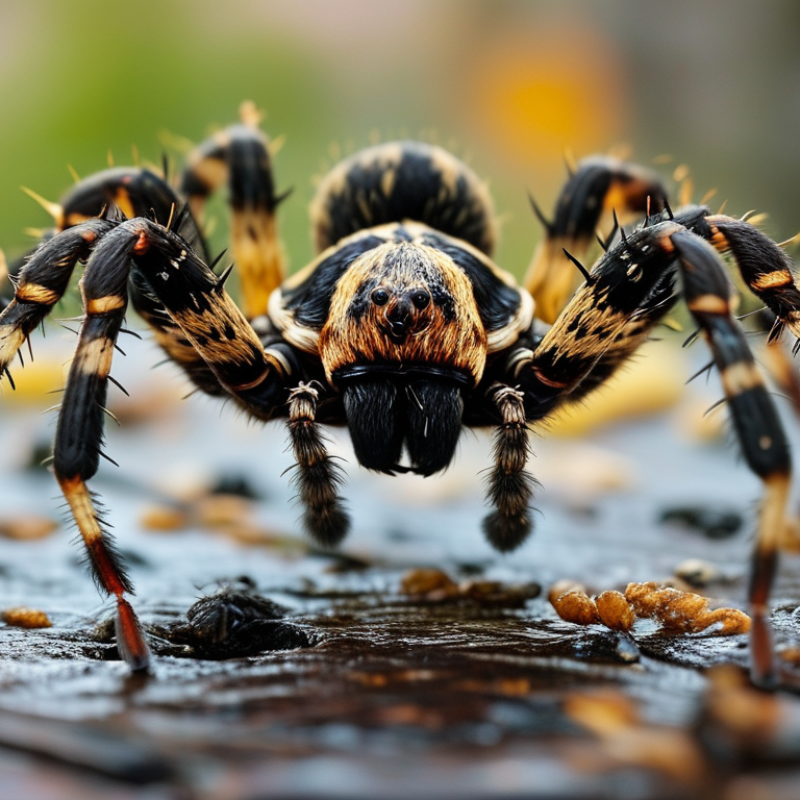
China Top 10 Tips to Stop Spiders from Nesting Under Patio Tables?

Identify Common Spider Types in Your Area

When it comes to dealing with spiders, identifying the common types in your area is essential. In many regions, you might encounter the common house spider. It prefers dark, sheltered spaces, making patio tables a perfect nesting site. Another frequent visitor is the garden spider. With its iconic web, it can create an intricate trap for insects, but it can also become a nuisance if left unchecked.

Not all spiders are harmful, but recognizing them is crucial. The wolf spider, for instance, hunts without webs and can be a bit alarming if spotted. It thrives in gardens and can sometimes venture under patio seating. Having knowledge about these spiders can help you manage them effectively. Regularly check under tables and clear away debris. Remember, while a few spiders are beneficial, they can also become overwhelming if not monitored.

Common Spider Types in China and Their Nesting Habits

Assess Environmental Factors Contributing to Spider Nesting

When it comes to preventing spiders from nesting under patio tables, considering environmental factors is essential. Spiders often seek shelter in dark, undisturbed spaces. Under a patio table can be ideal for them. If your patio is cluttered with debris, this provides perfect cover. Regularly cleaning the area is vital. Remove any old leaves, webs, or items that could attract spiders.

Moisture plays a significant role in attracting spiders. If there are leaks or pooling water nearby, spiders will be drawn to the humidity. Assess the drainage in your patio area. Ensure water flows away from the tables. Adding gravel or sand can help absorb excess moisture. Furthermore, consider the surrounding vegetation. Dense gardens or overgrown plants can create a welcoming environment for spiders. Trimming back plants can reduce their habitat.

Finally, it's worth reflecting on your own habits. If you rarely use the patio, it may become an undisturbed haven for spiders. Your routine matters. Regularly engaging with your space can deter spiders from settling in. Adjusting these environmental factors might require time and effort. However, the results can lead to a more enjoyable outdoor experience.

China Top 10 Tips to Stop Spiders from Nesting Under Patio Tables

Tip Number Tip Effectiveness (%) Ease of Implementation (1-5)
1 Regular Cleaning 90 5
2 Remove Clutter 85 4
3 Seal Cracks and Gaps 80 3
4 Use Natural Repellents 75 4
5 Introduce Beneficial Predators 70 3
6 Adjust Ambient Lighting 65 4
7 Maintain Proper Drainage 60 3
8 Limit Food Sources 55 5
9 Regularly Check for Signs 50 4
10 Educate Yourself and Others 45 5

Implement Effective Cleaning Practices for Patio Tables

Keeping your patio tables clean can help prevent spiders from nesting underneath. Regular cleaning should be part of your outdoor maintenance routine. Use a broom to sweep away dirt and debris. Focus on the areas under the tables where spiders like to hide. Pay attention to corners and hard-to-reach spots. A clean surface will discourage spiders from settling in.

Cleaning isn’t just about sweeping. Wipe down tables with a damp cloth and mild soap. This will remove food particles and moisture that attract insects. After cleaning, don’t forget to inspect the table for spiders and their webs. Look for any signs of nesting. If you find webs, remove them promptly. It’s a task that requires consistency and effort but can yield great results.

Consider adding some preventative measures. You can place spider-repelling plants like lavender nearby. Natural approaches are often effective. Regular cleaning and natural deterrents create an environment less appealing to spiders. The combination of cleanliness and deterrents leads to better outdoor spaces.

Use Natural Repellents to Deter Spiders from Nesting

Spiders can be a common nuisance, especially around patios. To keep them away from your outdoor tables, consider using natural repellents. These options are safe and effective, giving you a sense of control over your space.

Essential oils work wonders. Oils like peppermint and tea tree oil can deter spiders naturally. Mix a few drops with water in a spray bottle. Spray around the legs of your patio table and other areas where you've seen spider activity. The strong scent disrupts their habitat, making them think twice about settling in.

Another method involves using vinegar. A simple mixture of equal parts vinegar and water can work effectively. Spray it around your patio, focusing on corners and crevices. Spiders dislike the strong smell, prompting them to seek shelter elsewhere. Though these methods may take some time, they don't involve harmful chemicals. Adopting a natural approach not only helps with spider management but also shows a commitment to a healthier environment.

Set Up Barriers and Traps to Prevent Spider Infestation

Setting up barriers is crucial in preventing spider infestations around your patio tables. Start by inspecting the area regularly. Look for gaps or openings that spiders can use to gain access. Seal these with caulk or weather stripping. This small step can significantly reduce spider activity. You might find it effective to use outdoor mats that are easy to clean and function as a barrier against creeping insects.

Trapping unwanted spiders is another smart solution. Place sticky traps in corners and under tables. Choose spots that spiders are likely to inhabit, like dark and undisturbed areas. Check the traps regularly to prevent a large build-up. Remember that not all traps are effective for every type of spider. It might take some trial and error to find the best fit for your patio.

Using natural repellents can enhance your efforts. Essential oils like peppermint and citrus can deter spiders. Mix several drops with water in a spray bottle and apply around your tables. However, these may not be foolproof solutions. Spiders sometimes adapt, so it’s essential to combine methods for better results. Consistency is key; regularly reevaluate and adjust your strategies.

FAQS

: What are common spider types found in patios?

: Common types include house spiders and garden spiders. They often seek dark, sheltered spaces for nesting.

Why do spiders prefer patio tables?

Spiders like dark, undisturbed places. A cluttered patio provides ideal shelter for them.

How does moisture attract spiders?

Spiders are drawn to humidity. Leaks or pooling water near patios can invite them.

What cleaning practices help prevent spider nesting?

Regularly sweep debris and wipe the tables with soap. Focus on corners and under the tables.

Can surroundings affect spider presence?

Yes, dense plants or clutter can create a welcoming home for spiders. Trimming back vegetation reduces their habitat.

How can I reduce spider attraction to my patio?

Clean regularly, remove debris, and check for webs. Engaging with your space can deter spiders from settling.

Are all spiders dangerous?

Not all spiders are harmful. Recognizing different types helps manage them effectively.

What should I do if I find spider webs?

Remove webs promptly to discourage further nesting. Consistent cleaning is key to maintaining a spider-free patio.

How can environmental changes affect spider nesting?

Adjusting factors like cleanliness and moisture can deter spiders. Reflection on your habits may be necessary to keep them at bay.

What natural deterrents can be used?

Planting spider-repelling plants like lavender can help. Natural methods, combined with cleaning, create less inviting spaces.

Conclusion

To address the question of "How to prevent spiders from nesting under patio tables?", it is essential to first identify the common spider types in your area, as this knowledge helps tailor effective prevention strategies. Assessing environmental factors that contribute to spider nesting—such as vegetation and available hiding spots—can also inform your approach. Implementing thorough cleaning practices for patio tables to remove webs and debris is crucial in deterring spiders.

Moreover, using natural repellents can be an effective way to discourage spiders from making your patio tables their home. Setting up physical barriers and traps can further aid in preventing spider infestations, ensuring your outdoor space remains comfortable and inviting. By combining these methods, you can create a less hospitable environment for spiders and enjoy a spider-free patio.

Isabella

Isabella

Isabella is a dedicated marketing professional with a sharp focus on driving brand growth and engagement through strategic content creation. With an extensive background in digital marketing, she combines her passion for storytelling with her keen understanding of industry trends to deliver......