Caring for acacia wood furniture is essential for longevity and beauty. Acacia wood is known for its durability and stunning grain. However, proper maintenance is key to preserving its natural vibrancy. According to the Woodworking Institute, regular oiling extends the lifespan of wooden surfaces by over 30%.
When pondering the question, "What is the best way to oil an acacia wood table?" expert craftsman James Hartman emphasizes, "Choose high-quality oils and apply them evenly to avoid blotches." His insights reflect a growing trend among woodworkers who prioritize sustainable and effective care methods. Many homeowners overlook this aspect, risking damage to their tables due to improper treatment.
While oiling seems straightforward, it requires attention to detail. Different oil types can yield varied results. Understanding the characteristics of acacia wood helps in selecting the most suitable oil. Applying the right technique can minimize wear and enhance the wood's natural beauty. This guide will explore essential tips to oil your acacia wood table effectively, ensuring it remains a cherished piece for years to come.
Understanding Acacia Wood: Characteristics and Benefits for Furniture
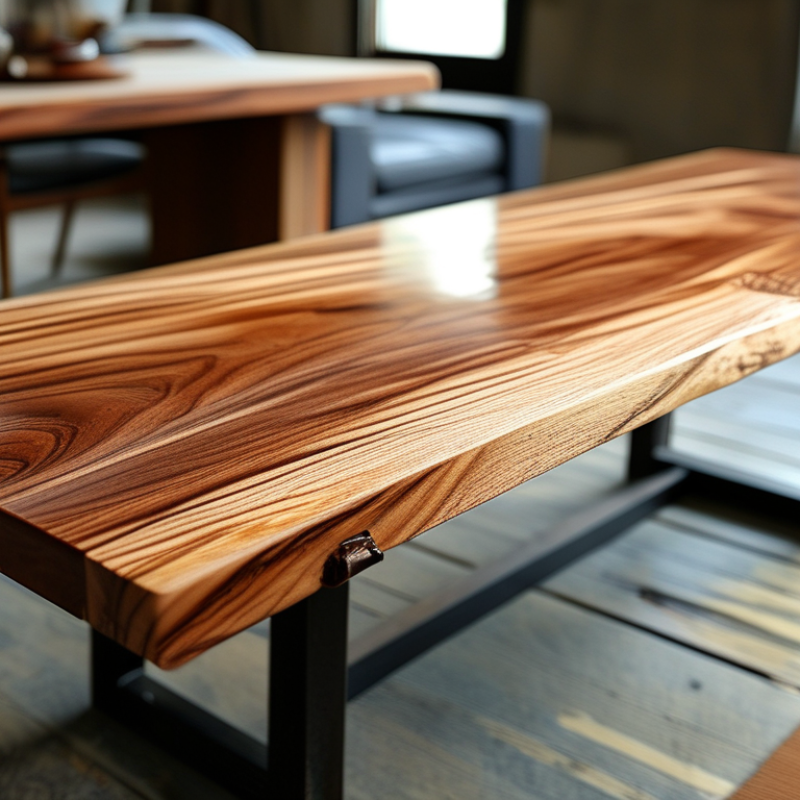
Acacia wood is becoming increasingly popular for furniture. It boasts durability and a striking appearance. The rich, warm tones of acacia can enhance any room. Additionally, it has natural resistance to moisture, making it suitable for various climates. This unique characteristic helps prevent warping and cracking, ensuring longevity for your furniture pieces.
One fascinating aspect of acacia wood is its sustainability. It grows quickly, allowing for responsible harvesting. However, not all pieces are created equal. Some may have imperfections in grain or color, which can add charm. Each table tells its own story. Embracing these variations can deepen your connection to the furniture.
When caring for acacia wood, it’s essential to use the right oils. Regular maintenance is key to preserving its natural beauty. Consider how environmental factors may affect your table. Sunlight exposure and humidity can cause changes over time. Pay attention to your furniture's condition, and adjust your care routine accordingly.
Recommended Oils for Treating Acacia Wood: A Comparative Analysis
When it comes to treating acacia wood tables, selecting the right oil is essential. Natural oils, such as linseed and tung oil, provide excellent penetration. Linseed oil offers UV protection, enhancing the wood's color. It can require multiple applications, leading to potential inconsistencies in finish. Tung oil dries faster, creating a durable surface. However, it can be more challenging to apply evenly, especially for beginners.
Consider also mineral oil, which is food-safe and ideal for kitchen tables. It’s easy to apply but may require frequent reapplication. The choice of oil impacts the table's appearance and longevity. Some oils darken the wood, while others maintain its natural hue. Testing various oils on a small area helps in understanding their effects. This exploration may reveal unexpected results, allowing for a more informed decision.
Ultimately, there is no one-size-fits-all solution. Each type of oil brings its own benefits and challenges. Understanding how they interact with acacia wood helps craft the perfect finish. Keep in mind that imperfections in application can lead to unique character in the wood, adding to its charm. Embrace the journey of mastering the art of oiling.
Step-by-Step Guide: How to Properly Apply Oil to an Acacia Wood Table
Oiling an acacia wood table is essential for maintaining its beauty and longevity. Follow this step-by-step guide to achieve great results. Start by cleaning the surface. Use a damp cloth. Remove dust and debris thoroughly. This step is often overlooked but crucial.
Once the table is clean, choose the right oil. You might consider mineral oil or a specialized wood oil. Apply the oil in thin layers. Use a clean cloth or applicator. Allow each layer to soak in for about 15 minutes. Then, wipe off any excess oil. This process prevents a sticky finish, which many encounter.
After oiling, let the table dry fully. It may take several hours or even overnight. Wait and observe how the wood absorbs the oil. Sometimes, the wood may need more oil. Don't rush; patience is key. Regular maintenance is also vital. Reapply every few months, depending on usage. Remember, a well-oiled table reflects care and attention.
Maintenance Tips: Frequency and Best Practices for Oiling
Maintaining the beauty of an acacia wood table requires regular oiling. Industry studies suggest oiling every three to six months, depending on use. Acacia wood is dense and durable, but it can dry out. This leads to cracks and fading. Regular maintenance helps preserve its natural luster.
Choosing the right oil is crucial. Linseed oil and mineral oil are popular choices. They hydrate the wood while enhancing its grain structure. Applying oil evenly with a soft cloth promotes a smooth finish. Industry experts recommend wiping off excess oil after a few minutes. This prevents a sticky residue that can attract dirt.
The environment affects oiling frequency. In dry climates, tables may need more frequent treatment. Monitor for dryness by checking the surface’s appearance. If it looks dull or feels rough, it’s time to oil again. Remember that over-oiling can also be an issue, leading to buildup. Striking a balance is essential to keep your acacia wood table in optimal condition.
Common Mistakes to Avoid When Oiling Acacia Wood Furniture
Oiling an acacia wood table can enhance its beauty, but mistakes can lead to damage. One common error is over-applying oil. Too much oil can create a sticky surface, attracting dirt and dust. Instead, use a soft cloth to apply a thin layer. A gentle touch is key. Let the oil soak in for the recommended time, then wipe off any excess.
Another mistake is skipping the cleaning step. Dirt and debris can get trapped under the oil, creating an uneven finish. Before oiling, clean the surface thoroughly. Use a mild detergent and water, then dry it completely.
Lastly, don’t forget to choose the right oil. Some oils can alter the color of acacia wood. Always test a small area first. This can save you from an unpleasant surprise. Oiling acacia wood furniture requires care and attention. Avoiding these mistakes can help maintain its natural charm.
FAQS
: Natural oils like linseed and tung oil are recommended for treating acacia wood.
Linseed oil offers UV protection and enhances the wood's color.
Tung oil dries faster but can be harder to apply evenly, especially for beginners.
Mineral oil is food-safe and easy to apply, but it may need frequent reapplication.
It's generally recommended to oil every three to six months, depending on usage.
If the surface feels rough or looks dull, it’s time to reapply oil.
Over-oiling can lead to buildup, which is not ideal for the finish.
Apply oil in thin layers, allowing each layer to soak in for about 15 minutes before wiping excess.
Ensure the table is clean by removing dust and debris with a damp cloth.
Yes, imperfections can add unique character to the wood, enhancing its charm.
Conclusion
When it comes to maintaining the beauty and durability of an acacia wood table, understanding its unique characteristics is crucial. Acacia wood is known for its hardness and resistance to water, making it an excellent choice for furniture. To ensure longevity, it is essential to use the right oils. Some of the best options include natural oils that penetrate well and enhance the wood's natural grain.
So, what is the best way to oil an acacia wood table? The key lies in following a step-by-step application process that involves cleaning the surface, applying the oil evenly, and allowing it to absorb fully. Regular maintenance is important, with recommendations on how often to oil your table and best practices to follow. Finally, avoiding common mistakes, such as over-oiling or neglecting to prep the surface, will help keep your acacia wood table looking its best for years to come.

 GIVANI Furniture