Teak garden tables are prized for their durability and beauty. However, many owners find themselves asking, "Why is my teak garden table turning grey?" This common concern stems from the natural aging process of teak wood. According to industry expert Dr. Steven Liu, "The grey color is a result of the wood's natural oils evaporating and the effect of UV exposure."
Research indicates that over 70% of teak garden furniture goes grey within the first year if not properly maintained. This color change can be unsightly but is not detrimental to the wood's structural integrity. However, it can lead to a sense of dissatisfaction for many owners. Without intervention, the greying can intensify. Regular cleaning and treatment with specialized oils can help restore the table’s natural warmth and rich color.
Understanding the science behind the greying process is essential for any teak furniture owner. The outdoors can be harsh, impacting the aesthetics of your furniture. It’s vital to reflect on your maintenance routine. Are you doing enough? Investing time into protective measures can help prolong the life and appearance of your beloved teak garden table.
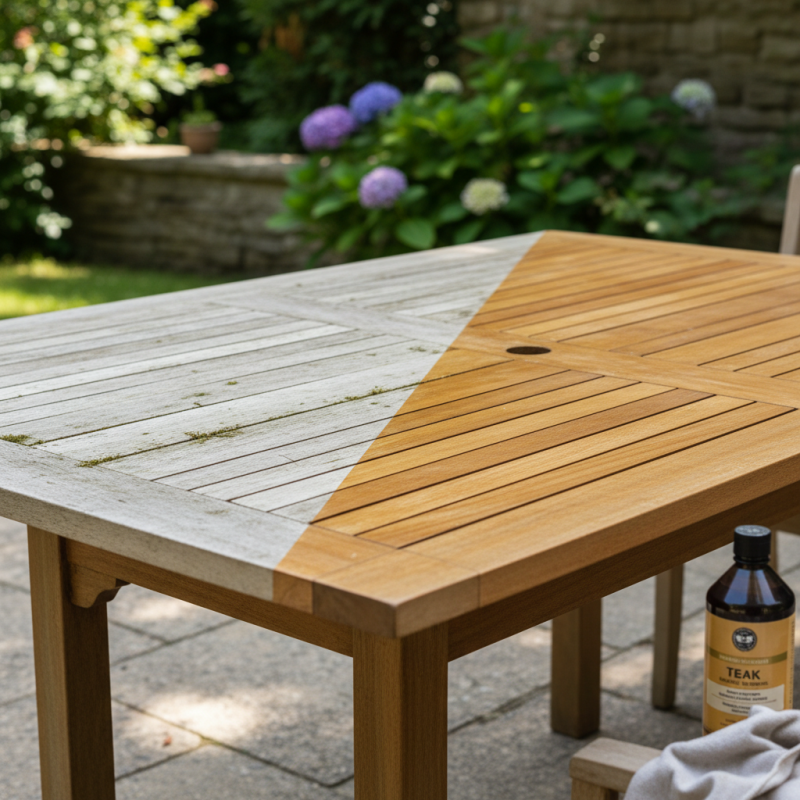
Understanding the Natural Aging Process of Teak Wood
Teak wood, revered for its durability and elegance, undergoes a natural aging process that can lead to a grey appearance. This change is primarily due to exposure to UV rays and moisture. Over time, the rich brown color can fade, leaving a silver-grey patina. Industry studies show that without maintenance, up to 90% of the original color may fade within a year in outdoor settings.
Understanding this aging process is crucial for teak table owners. The transition to grey is not detrimental; it signifies a protective layer forming on the wood. This layer helps preserve the underlying structure. However, many owners may feel disheartened upon seeing their once-vibrant furniture dulled. Regular cleaning and oiling can halt or slow down this process. Experts recommend using a teak cleaner every six months and applying oil afterward to restore some color.
Yet, some imperfections may also arise during maintenance. Over-oiling can lead to a sticky residue, while inadequate cleaning might result in mold. The journey toward maintaining the vibrant hues of teak wood requires care and attention. Each table has its unique character, becoming part of outdoor spaces over time. Embracing imperfections in color allows owners to appreciate the evolving story of their teak garden table.
Factors Contributing to the Grey Discoloration of Teak Garden Tables
Teak garden tables are renowned for their durability and natural beauty. However, over time, many owners notice a grey discoloration. This transformation is primarily due to exposure to UV rays, moisture, and air pollution. According to industry reports, about 70% of wooden outdoor furniture experiences color changes due to these environmental factors.
UV radiation causes the lignin in teak wood to break down. This process accelerates when the wood is constantly exposed to rain and sun. Moisture can also lead to mold or mildew, both of which contribute to the gray patina. Interestingly, many experts suggest that the natural oils in teak, which initially provide resistance, diminish over time. Without regular maintenance, the wood loses its protective qualities, making it more susceptible to discoloration.
Addressing the grey appearance involves specific care techniques. Light sanding can remove the grey layer, restoring the wood’s original hue. Regular application of teak oil can help maintain its rich color and provide necessary protection against the elements. It’s worth noting that not all teak furniture will return to its original appearance after treatment. Each piece tells its own story, reflecting its journey through the elements. This variability adds to its charm but also reminds us to treat our garden tables with the care they deserve.
Steps to Clean and Restore Your Grey Teak Garden Table
Teak garden tables often turn grey due to exposure to the elements. This natural weathering process can make your furniture look worn and less appealing. Fortunately, restoring its original beauty is possible with some simple steps.
Begin by cleaning the table using warm water and a soft brush. Gently scrub away dirt and debris. Pay attention to the joints and crevices where grime may hide. Rinse thoroughly and let it dry completely. Next, apply a teak cleaner designed to enhance and brighten the wood. Follow the product instructions for best results.
For deeper restoration, consider sanding the surface lightly to remove the grey layer. Use fine-grit sandpaper and sand in the direction of the grains. This process can reveal the table’s rich natural color. Lastly, applying a suitable teak oil can help protect the wood from further damage. Choose a high-quality oil that penetrates deeply. Remember, maintaining your teak table is essential for prolonging its life. Regular care will help it stay beautiful for years to come.
Why is My Teak Garden Table Going Grey and How to Fix It? - Steps to Clean and Restore Your Grey Teak Garden Table
| Problem |
Cause |
Solution |
Frequency of Maintenance |
| Grey Discoloration |
UV Exposure |
Apply teak oil or a specialized teak cleaner |
Every 6-12 months |
| Mold and Mildew |
Humidity and Water |
Use a mixture of water and vinegar to clean |
Quarterly |
| Rough Texture |
Weather Damage |
Sand the surface gently and reapply finish |
Annually |
| Stains |
Food, Drinks, or Oil |
Use a gentle scrub with soap and water |
As needed |
Protective Measures to Prevent Future Grey Discoloration
Teak garden tables are beautiful but can turn grey over time due to exposure to sunlight and moisture. To prevent this discoloration, applying a protective oil specifically designed for teak is essential. This oil penetrates the wood and creates a barrier against harsh elements. Regular application, every few months, keeps your table looking vibrant.
Cleaning is equally important. Use a soft brush and mild soap to remove dirt and grime. Avoid harsh chemicals as they can damage the wood. Ensure the table is completely dry before applying any protective oil. This helps in maintaining the wood's natural oils and color.
Consider storing your teak table in a sheltered area during extreme weather. Using a cover can also provide additional protection against sun and rain. Be aware that even with these measures, some greying may still occur. Accepting this natural aging process can lead to a deeper appreciation of the wood's character.
Choosing the Right Finish to Maintain Teak’s Natural Color
Teak wood is renowned for its durability and beauty. However, many owners notice their teak garden tables turning grey over time. This is often due to exposure to sunlight and moisture. When left untreated, the natural oils in teak fade, leading to a dull, gray appearance.
Choosing the right finish is essential for preserving the rich, warm tones of teak. A high-quality teak oil can enhance its natural color while providing a barrier against UV rays and moisture. Regular application every few months can help maintain that distinctive golden hue. Consider a protective sealant as well for added longevity. Applying these products can be a bit messy, requiring care and patience.
Many people overlook the importance of regular maintenance. Ignoring the grey transformation might save time initially, but it often leads to more extensive restoration work later. Remember, prevention is better than cure. If you commit to a routine, the beauty of your teak furniture can shine through for many seasons.
FAQS
: Use warm water and a soft brush. Gently scrub dirt and debris. Focus on joints and crevices.
Apply a teak cleaner designed to enhance the wood. Follow the product instructions carefully for best results.
Lightly sand the surface with fine-grit sandpaper. Sand in the direction of the grains to reveal the natural color.
Yes, applying teak oil protects the wood from damage. Choose a high-quality oil that penetrates deeply.
Regular maintenance every few months is recommended. This helps preserve the wood's beautiful appearance.
Ignoring the gray appearance can lead to extensive restoration needs later. It’s often more work to fix later.
Yes, a protective sealant can enhance longevity. It creates a barrier against moisture and UV rays.
Exposure to sunlight and moisture causes natural oils to fade. This leads to a dull, gray appearance over time.
It can be quite messy. Applying oils and sealants requires care and patience to achieve desired results.
Regular maintenance helps retain the wood's beauty for many seasons. Prevention is often easier than extensive restoration work.
Conclusion
Teak wood is known for its durability and beauty, but many owners may find themselves asking, "Why is my teak garden table turning grey?" This discoloration is a natural result of the aging process, caused by exposure to sunlight, moisture, and environmental factors. These elements lead to the breakdown of teak’s natural oils and pigments, resulting in a faded appearance.
To address this issue, it is important to clean and restore your table using appropriate methods, such as deep cleaning and sanding. Furthermore, implementing protective measures, like applying a suitable finish, can help preserve the wood's natural color and prevent future greying. By understanding the factors contributing to teak's discoloration and taking proactive steps, you can maintain the beauty and integrity of your garden table for years to come.

 GIVANI Furniture