Outdoor wooden furniture adds charm to any garden or patio. However, exposure to rain can cause significant damage. It’s essential to understand how to protect wood outdoor furniture from rain. Rain can lead to mold, mildew, and wood rot. These issues not only ruin the look of your furniture but can also shorten its lifespan.
Protecting your wooden outdoor pieces requires careful planning. First, consider using a waterproof sealant. This can create a barrier against moisture. Regular maintenance is also crucial. Inspect your furniture for signs of damage regularly. If you notice peeling paint or cracks, address them immediately. Consider using furniture covers when not in use. This extra layer of protection can be invaluable during heavy rainstorms.
Perhaps the most critical step is choosing the right wood. Teak and cedar are naturally resistant to rain, making them ideal choices. Reflect on your furniture's positioning as well. Installing it under a porch or awning can provide much-needed shelter. By taking these steps, you can ensure your outdoor wooden furniture remains beautiful and functional, despite the weather challenges.
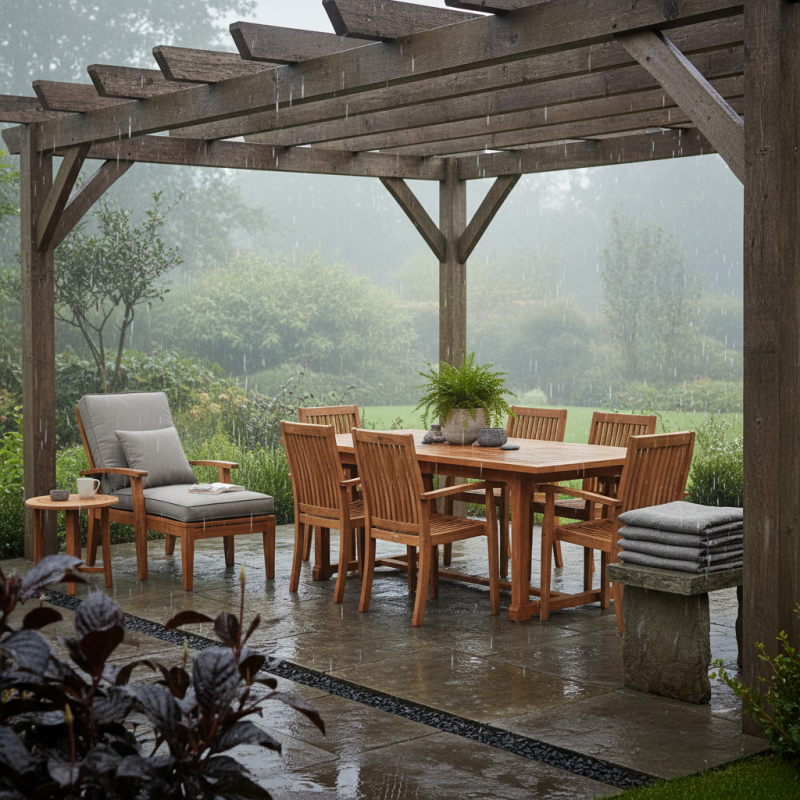
Choosing the Right Wood for Outdoor Furniture Durability
When it comes to outdoor wooden furniture, the choice of wood directly impacts its durability.
Teak, for instance, is known for its natural oils, which help resist water damage. Similarly, cedar can withstand moisture and is also resistant to decay. These types of wood typically last longer in outdoor settings.
Tips: Consider your local climate when choosing wood. If you live in a rainy area, opt for woods with natural resistance to moisture. Research and compare various wood types before making a purchase. This small step can save you from costly replacements later.
Even with the right wood, maintenance is crucial. Regular sealing can protect the surface and enhance longevity. Some wood types may require more frequent treatment than others.
Be prepared for this investment of time and effort. Wood furniture can be beautiful but needs attention. Don't overlook the importance of proper care.
Applying Protective Finishes to Prevent Moisture Damage
Outdoor wooden furniture can suffer greatly from moisture exposure, leading to warping, rot, and discoloration. One effective method to combat this is through the application of protective finishes. According to a 2021 report by the American Wood Council, treating wooden surfaces can increase their lifespan by up to 50%. This statistic highlights the importance of proper maintenance.
When choosing a finish, consider options such as water-repellent preservatives and sealers. These products penetrate the wood and create a barrier against moisture. A study from the Forest Products Laboratory indicates that untreated wood can absorb up to 30% of its weight in water. This shocking statistic underscores the need for protective measures.
However, the application process can be tricky. It requires proper surface preparation to ensure maximum absorption. A poorly applied finish may lead to peeling or flaking, requiring more frequent maintenance. Many homeowners overlook these details, ultimately resulting in more damage. Remember, achieving a durable finish requires careful consideration and commitment to ongoing maintenance.
How to Safeguard Outdoor Wooden Furniture from Rain?
| Protective Finish Type |
Durability (Years) |
Water Resistance |
Application Frequency |
Drying Time (Hours) |
| Oil Finish |
2-3 |
Good |
Every 6-12 months |
8-24 |
| Varnish |
5-10 |
Very Good |
Every 2-3 years |
4-8 |
| Water Repellent |
1-2 |
Excellent |
Every 1 year |
2-4 |
| Stain |
3-5 |
Good |
Every 2 years |
2-6 |
| Sealant |
3-7 |
Very Good |
Every 1-3 years |
2-8 |
Utilizing Covers and Tarps for Short-Term Rain Protection
When the rain clouds gather, protecting your outdoor wooden furniture becomes crucial. Covers and tarps serve as effective shields against sudden downpours. Choosing the right cover matters. Look for breathable materials to prevent moisture buildup underneath. This can help avoid mold, which is a common issue with wooden pieces over time.
Ensure the covers fit snugly. Loose covers can blow away with the wind, leaving your furniture exposed. If you don't have proper covers, tarps are a viable, short-term option. They are often waterproof and can provide decent protection in a pinch. Make sure to secure the tarps with bungee cords or weights to prevent slipping.
While these methods are effective, they are not foolproof. Always inspect your furniture after heavy rains. Check for any signs of water damage. Over time, wood can warp or crack if it isn't cared for properly. A little attention can go a long way in prolonging the life of your cherished outdoor pieces. Regularly replace worn-out covers and tarps to maintain their effectiveness.
Implementing Proper Storage Solutions During Severe Weather
During severe weather, safeguarding outdoor wooden furniture is essential. A proper storage solution ensures longevity and functionality. Consider investing in weather-resistant covers. They can protect your furniture from unexpected rain. However, these covers should be fitted properly. Loose covers can trap moisture underneath, leading to damage.
Creating a designated storage area is also vital. A shed or garage is excellent for this purpose. If space is limited, think about portable storage solutions. Bins or carts can keep the furniture dry and organized. Avoid stacking wooden pieces directly on the ground. It promotes decay through moisture absorption.
While these measures seem straightforward, they often require adjustment. Not everyone has a proper setup or space. Reflecting on your storage options is crucial. You may need to visit local resources for alternative ideas. The goal is to protect your investment while being adaptable to your surroundings.
Regular Maintenance Tips to Extend the Lifespan of Wooden Furniture
Outdoor wooden furniture can be a beautiful addition to any garden. However, it requires regular maintenance to withstand the elements, especially rain. To begin, check your furniture for any existing damage. Look for cracks or signs of rot. Repairing these issues promptly helps prevent further deterioration.
Applying a protective sealant is another crucial step. This helps create a moisture barrier. Reapply the sealant every year for the best results. Consider using a breathable product that allows moisture to escape. Additionally, store your furniture indoors during heavy rain or storms. If storage isn’t an option, invest in quality covers to protect it when not in use.
Regular cleaning also plays a vital role. Use a mild soap and water solution to wipe down the surfaces. This helps prevent mold growth and keeps the wood looking fresh. Make sure to dry the furniture completely after cleaning. While these steps require effort, they can significantly enhance the lifespan of your outdoor wooden pieces. Remember, even small oversights can lead to bigger problems later. Maintenance is an ongoing journey, and learning from mistakes is essential.
How to Safeguard Outdoor Wooden Furniture from Rain?
FAQS
: Protective finishes can increase the lifespan of wooden furniture by up to 50%. They prevent warping and rot.
Look for water-repellent preservatives and sealers. They create a moisture barrier that protects the wood.
Untreated wood can absorb up to 30% of its weight in water. This can cause significant damage over time.
Proper surface preparation is essential. Poorly applied finishes may peel or flake, leading to more frequent maintenance.
Use breathable covers or tarps during rain. Ensure they fit snugly and are secured to prevent dislodging.
Inspect your furniture for signs of water damage. Look for warping or cracking and address any issues promptly.
Reapply sealant every year. Use a breathable product that allows moisture to escape from the wood.
Regular cleaning with mild soap and water is vital. Make sure to dry the furniture completely after cleaning.
Check for damage regularly, apply sealant, and store furniture indoors during heavy storms to protect it well.
Small oversights can lead to significant problems like rot or mold growth. Ongoing care is essential for longevity.
Conclusion
To address the question of "How to protect wood outdoor furniture from rain?", it is essential to consider several strategies. Firstly, choosing the right wood type, such as naturally durable options like teak or cedar, can significantly enhance the furniture's resilience against moisture. Secondly, applying protective finishes like sealants or varnishes creates a barrier that safeguards the wood from water damage.
Additionally, utilizing covers and tarps provides short-term protection during unexpected rainstorms, while implementing proper storage solutions, such as moving furniture indoors during severe weather, can prevent deterioration. Finally, regular maintenance practices, including cleaning and reapplying protective finishes, help extend the lifespan of wooden furniture, ensuring it remains beautiful and functional despite the challenges posed by outdoor conditions.

 GIVANI Furniture