Rain can severely damage outdoor wood furniture, leading to costly repairs. Recent reports indicate that over 30% of wooden outdoor pieces suffer from moisture-related issues annually. This emphasizes the need to know "How to protect wood outdoor furniture from rain?" Effective protection not only extends the life of your furniture but also maintains its aesthetic appeal.
Using weather-resistant finishes is often recommended by experts in the furniture industry. These finishes form a barrier against moisture, helping to prevent warping and mildew. Data from a leading home improvement association shows that untreated wood can absorb up to 40% of its weight in water, leading to structural damage. Investing in proper care is essential and requires commitment.
While many products claim to protect outdoor furniture, not all are effective. It’s crucial to choose high-quality, trusted brands. You might find that some solutions leave a sticky residue or fade over time. Reflecting on your choices will enhance your long-term satisfaction. Taking time to understand and apply effective methods to protect your furniture will yield rewarding results.
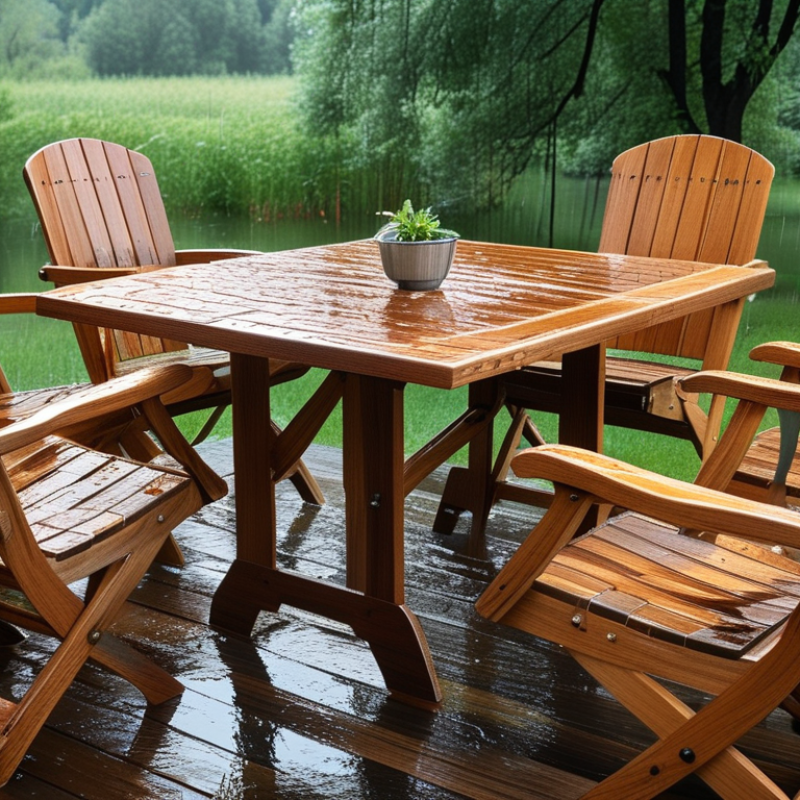
When selecting wood for outdoor furniture, durability is key. Hardwoods like teak, mahogany, and eucalyptus are popular choices due to their natural resistance to moisture. Teakwood, in particular, contains oils that help repel water. However, these woods can be expensive and may require regular maintenance to retain their color and finish.
Another option is pressure-treated pine. This type of wood undergoes a special process to withstand the elements. While it is cost-effective, it might not have the same aesthetic appeal as hardwoods. Users should consider that over time, pressure-treated wood may warp or crack if not properly maintained. Keeping up with treatments will ensure its longevity, but it may not always look flawless.
It's also important to think about your climate. In areas with heavy rainfall, even the best wood can suffer. Regularly applying a water-repellent sealant can help protect against moisture damage. Remember, no outdoor furniture is entirely immune to the elements. When making your choice, weigh the pros and cons carefully. This reflection will lead to a more satisfying investment in your outdoor space.
To protect outdoor wood furniture from rain, applying the right finishes is crucial. Sealing wood can significantly enhance its water resistance. Various products, such as varnishes, sealants, and oils, create a barrier against moisture. Choose a finish that penetrates deeply into the wood for the best protection. Make sure to follow the manufacturer's instructions on application.
Before applying a protective finish, properly prepare the surface. This includes cleaning, sanding, and ensuring the wood is completely dry. It sounds simple, but many overlook this step. A well-prepared surface allows finishes to bond more effectively. Inadequate preparation can lead to peeling and fading over time. Ensure you take your time with this process for the best results.
After finishing, regularly check the furniture for any signs of wear. Water damage can still occur, even with a protective layer. If you notice deterioration, don’t hesitate to reapply the finish. Be proactive rather than reactive to maintain the beauty of your outdoor pieces. It may not always be perfect, and learning from mistakes can lead to better outcomes in the long run.
Outdoor wood furniture is a beautiful addition to any patio. However, rain can damage its quality and lifespan. One effective method to protect it is using covers and tarps. These protective layers can significantly reduce water exposure. For instance, a report from the American Society for Testing and Materials suggests that covered outdoor furniture lasts 50% longer than uncovered ones.
Choosing the right cover is crucial. Look for high-quality materials that are waterproof and breathable. Not all covers are created equal; some may trap moisture underneath, leading to mold. It's essential to check for proper ventilation. Tarps are also a great option but ensure they are securely fastened to prevent wind from displacing them. A study from the Outdoor Industry Association found that about 30% of outdoor furniture damage is due to inadequate coverings.
Despite these precautions, wear and tear may still occur. Regular inspections for cracks or fading are necessary. Buffing out scratches and applying sealants can prolong the furniture's life. Proper care and covering can be a challenge, but it's worth the effort for the longevity of your outdoor pieces.
To preserve the integrity of outdoor wood furniture, regular maintenance is crucial. Wood is susceptible to moisture damage, which can cause warping and splitting. Industry reports indicate that about 70% of outdoor wooden furniture suffers from weather-related issues over time. To combat this, a consistent maintenance routine is essential.
Begin by cleaning the wood surface. Use a mild soap solution and a soft brush to remove dirt and debris. This simple action helps prevent mold and mildew. After cleaning, ensure the wood is completely dry before applying any protective treatments. Periodic sealing with a high-quality wood preservative can provide a significant barrier against rain and humidity. According to a study by the American Wood Council, properly sealed wood can last up to five years longer than untreated wood.
Check your furniture regularly for signs of wear. Look for cracks, peeling, or discoloration. Address these issues promptly to maintain the wood’s integrity. If you notice persistent problems, it might be time to reconsider your maintenance approach. Wood care is not a one-time task; it requires ongoing attention and reflection on what works best for your specific environment.
| Maintenance Task | Frequency | Recommended Products | Tips |
|---|---|---|---|
| Clean the Furniture | Monthly | Mild soap, soft brush | Avoid abrasive materials |
| Apply Water Repellent | Every 6 months | Penetrating oil, sealants | Choose products labeled for outdoor use |
| Inspect for Damage | Seasonally | N/A | Look for cracks, splinters, or rot |
| Repaint or Restain | Every 1-2 years | Outdoor wood paint or stain | Ensure wood is clean and dry before application |
| Store during Severe Weather | As needed | N/A | Use a cover or bring indoors if possible |
When it comes to protecting outdoor wood furniture from rain, proper placement is crucial.
Position your furniture in a covered area whenever possible. Consider placing it under
awnings or pergolas.
If no shelter exists, try to keep it away from direct exposure to the rain. Avoid placing
wooden pieces in low-lying areas where water can pool. This simple strategy helps minimize
water damage.
Storage is equally important. When the weather forecast predicts heavy rain, move your
furniture indoors. Use a dry, ventilated space for storage. If space is limited, invest
in outdoor covers. Choose breathable materials to prevent mold growth. Make sure the
covers fit well to avoid water seeping in. Remember, even well-protected furniture may
still need occasional maintenance. Regularly check for signs of moisture or mildew.
Taking these steps can extend the life of your outdoor wood furniture.
: Hardwoods like teak, mahogany, and eucalyptus are excellent choices. They resist moisture naturally.
Yes, it is cost-effective. However, it lacks the aesthetic appeal of hardwoods and may warp over time.
Climate plays a significant role. Heavy rainfall can damage even the best wood if not properly maintained.
Applying a water-repellent sealant helps protect wood from moisture. It's a necessary measure for longevity.
Covers and tarps reduce water exposure significantly. They can make furniture last 50% longer if used correctly.
Choose waterproof and breathable materials. Proper ventilation is essential to prevent mold.
Regularly clean with mild soap and a soft brush. This prevents dirt buildup and moisture damage.
Inspect your furniture regularly for cracks and discoloration. Early detection prevents more significant damage.
Yes, periodic sealing can add up to five years of life to untreated wood. Ongoing care is crucial.
If issues persist, reconsider your maintenance routine. Reflect on your environment and adjust care accordingly.
When considering how to protect wood outdoor furniture from rain, starting with the right type of wood is essential for durability. Selecting naturally water-resistant woods such as teak or cedar can significantly enhance longevity. Additionally, applying protective finishes, such as waterproof sealants or varnishes, can provide an extra layer of defense against moisture.
Using covers and tarps can further safeguard your furniture during inclement weather, while regular maintenance, including periodic cleaning and reapplication of protective finishes, helps preserve wood integrity. Lastly, strategically placing furniture in sheltered areas and storing pieces indoors during harsh weather conditions can greatly improve their lifespan and appearance. Implementing these strategies ensures that outdoor wood furniture remains beautiful and functional for years to come.

GIVANI Furniture