Plastic patio chairs are a staple for outdoor living. Over time, exposure to sunlight and weather can cause them to fade. The vibrant colors that once brightened your patio may now look dull and lifeless. So, how to restore faded plastic patio chairs?
Restoring these chairs can be a satisfying project. It requires a few simple materials and some effort. You might be surprised at the transformation that’s possible. With the right techniques, you can bring back their original charm. However, it is essential to approach the restoration process with care. There are varying degrees of fading, and each situation may require a different strategy.
In this guide, you will discover practical steps. You’ll learn about cleaning and conditioning methods suitable for plastic materials. It’s worth noting that results may differ based on the tools and techniques you use. Some may find the task challenging, while others will embrace the process. Whether you are a DIY novice or a seasoned pro, restoring your chairs can be a rewarding experience.
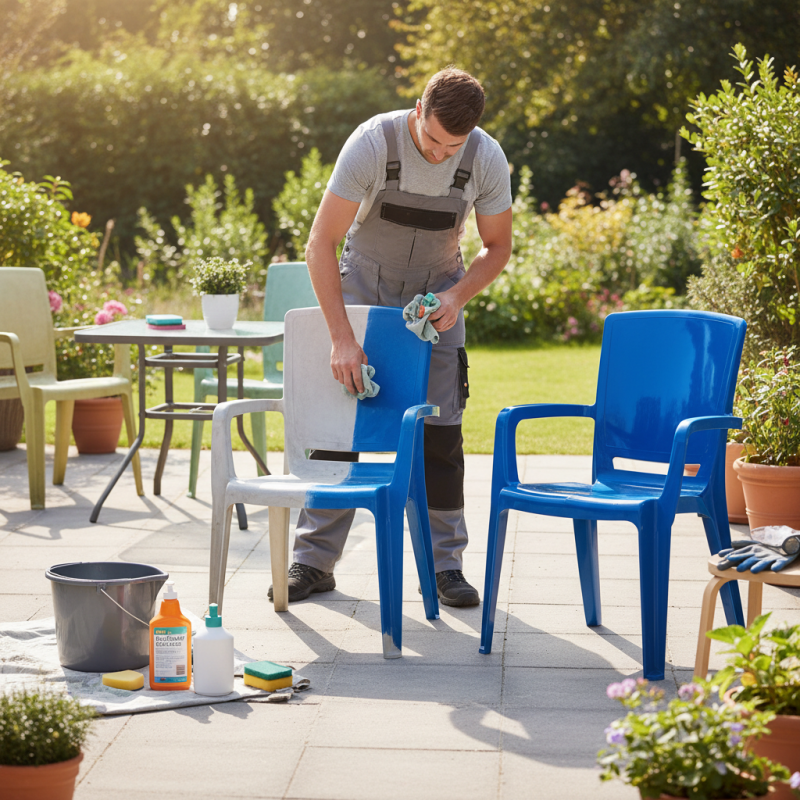
Fading in plastic patio chairs is common. Exposure to sunlight, humidity, and temperature changes significantly contribute to this issue. UV rays break down the chemical structure of plastics, causing them to lose color. Additionally, dirt and grime accumulate, further dulling their appearance.
To help combat this fading, consider applying a UV protectant designed for plastics. This can shield your chairs from harmful rays. Regular cleaning is also vital. Use soapy water and a soft cloth to gently wash the chairs. This removes dirt without scratching the surface.
Another tip is to store your chairs away from direct sunlight when not in use. A simple cover can protect them from the elements. If your chairs are already faded, a plastic restorer might help. However, results can be uneven, and it may require multiple applications. Remember, these steps may not restore your chairs completely, but they can significantly improve their look.
| Cause of Fading | Description | Restoration Method |
|---|---|---|
| UV Exposure | Prolonged exposure to sunlight causes plastic to degrade and lose color. | Use UV-resistant spray paint or a protective sealant. |
| Chemical Damage | Harsh chemicals from cleaning products can lead to fading. | Clean with mild soap and water; avoid abrasive cleaners. |
| Weathering | Rain, wind, and temperature changes can impact plastic durability. | Store chairs indoors or use protective covers when not in use. |
| Mildew and Mold | Moisture can lead to mold growth, affecting appearance and integrity. | Clean with a vinegar-water solution; scrub lightly. |
| Oxidation | Oxidation from environmental exposure can dull plastic surfaces. | Apply a plastic rejuvenator or polish to restore shine. |
: Sunlight, humidity, and temperature changes lead to fading. UV rays damage the plastic’s chemical structure.
Apply a UV protectant made for plastics. It will guard against harmful rays and preserve color.
Use soapy water and a soft cloth. This method removes dirt without scratching the plastic.
Yes, covering chairs protects them from direct sunlight and harsh weather conditions.
Many restoration products can make a difference, but results can vary. Expect some uneven outcomes.
Regular cleaning is important. Aim to clean them every few weeks, especially after storms or heavy dust.
Color restorers often yield visible results. Be cautious; uneven results can happen, so test small areas first.
Not necessarily. Restoration can significantly enhance their look, but they may not appear completely new.
In exploring the question of "How to restore faded plastic patio chairs?", it is vital to first understand the causes of fading, which often stem from prolonged exposure to sunlight and harsh weather conditions. Assessing the type of plastic used in the chairs is also crucial, as different materials may require specific restoration techniques.
The restoration process can be effectively approached through a step-by-step cleaning guide that ensures the removal of dirt and grime before applying any restoration products. A review of industry-recommended solutions provides insight into the best products available for rejuvenating the color and appearance of faded chairs. Lastly, implementing preventative measures can help maintain the vibrancy of outdoor plastics, thereby extending the lifespan of patio furniture. With these comprehensive strategies, anyone can successfully restore their faded plastic patio chairs and keep them looking new for years to come.

 GIVANI Furniture