When shopping for outdoor furniture, price often raises questions. Why are some outdoor chairs more expensive than others? This common inquiry reveals a complex interplay of factors. Quality materials play a critical role in price differences. Premium woods and advanced synthetic fabrics can greatly increase production costs.
Design innovation also impacts pricing. Unique aesthetics and ergonomic support are often reflected in higher price tags. Certain brands invest heavily in research and development to create superior products. This expertise contributes to their reputation in the market. On the other hand, lower-priced chairs may compromise on materials or craft.
Expensive outdoor chairs often come with warranties. This assurance reflects the manufacturers' confidence in their craftsmanship. Consumers might balk at high costs, yet these investments can lead to longer-lasting comfort and durability. Ultimately, understanding these key elements helps demystify why some outdoor chairs cost more. Quality is worth considering, even if it requires a deeper dive into what you truly value in outdoor seating.
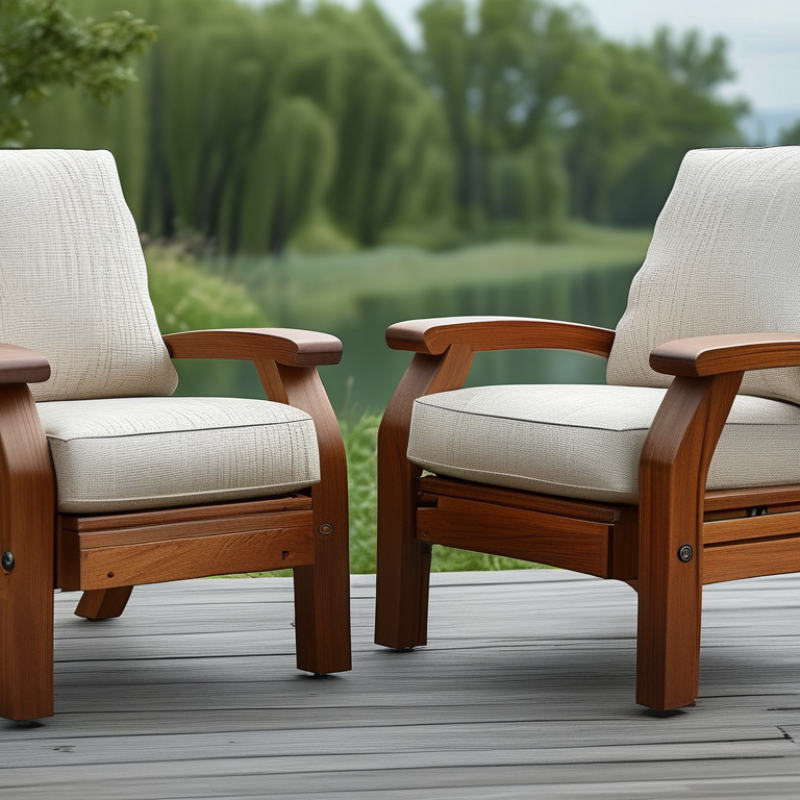
When it comes to outdoor chairs, the materials used play a significant role in determining their price. Durable materials like aluminum, teak, or recycled plastics tend to cost more. These materials withstand weather elements better than their cheaper counterparts. For example, teak is naturally resistant to moisture, preventing rot and decay. This longevity often justifies a higher price tag.
Many consumers overlook the importance of material when shopping for outdoor chairs. Cheaper options, often made from untreated wood or plastic, may seem appealing. However, they may only last a season or two. Investing in quality materials can save money in the long run.
Tip: Consider chairs made from powder-coated aluminum. This coating not only provides excellent weather resistance but also adds a modern touch. Look for UV-resistant fabrics for cushions, as they’ll maintain their color longer. Always check reviews focusing on the material durability before making a purchase.
When exploring outdoor chairs, the differences in price often stem from construction techniques and craftsmanship. High-end chairs frequently feature superior materials, like marine-grade aluminum or weather-resistant textiles. These materials increase durability and comfort, making them more appealing for long-term use. Custom craftsmanship often shapes these products, ensuring every joint and seam is meticulously done.
Tips: Always check the joinery. Strong connections enhance durability in outdoor furniture. Look for double-welded brackets or mortise-and-tenon joints during your search.
The design process for expensive chairs often involves skilled artisans who pay attention to every detail. This level of craftsmanship can take longer, impacting the final price. Hand-finishing techniques, like sanding and polishing, can also add to costs, elevating the chair's aesthetic appeal.
Tips: Invest in timeless designs. A chair that complements your outdoor space will always be in demand. Avoid trendy styles that may not age well.
Design innovations significantly influence the pricing of outdoor furniture, particularly chairs. According to industry reports, designs that incorporate user comfort and ergonomic principles often lead to higher production costs. Chairs engineered with adjustable features or lightweight materials require extensive research and development. This investment reflects in their retail price.
Sustainable materials also drive up costs. Manufacturers increasingly favor eco-friendly resources. Recycled plastics or responsibly sourced woods often come at a premium. However, these materials offer durability. They withstand the elements better than cheaper counterparts. The demand for sustainability has grown, shaping consumer preferences and pushing prices higher.
Unique aesthetics contribute to pricing disparities. Innovative designs can enhance visual appeal and brand value. Some consumers are willing to invest in distinctive styles that elevate their outdoor spaces. Yet, not all design innovations lead to a clear consumer benefit. Manufacturers face the challenge of balancing creativity, functionality, and cost-effectiveness. These complexities may leave buyers questioning whether the higher price truly reflects added value.
When it comes to outdoor chairs, brand reputation plays a significant role in determining their price. Well-established brands often command higher prices due to their perceived quality and reliability. Customers trust these brands, believing they offer better durability and comfort. This trust is built over time through consistent product performance and positive reviews.
However, not all expensive outdoor chairs live up to their brand hype. Some may offer high prices but lack distinctive features. Consumers often face the challenge of distinguishing genuine quality from mere branding. A well-known name doesn’t always guarantee the best experience or durability. This situation requires buyers to delve deeper than brand reputation alone.
Additionally, the materials and design used by premium brands contribute to their pricing. Quality fabrics, strong frames, and ergonomic designs often justify the cost. Yet, some brands rely solely on marketing strategies rather than actual innovation. This can lead to a disconnect between price and true value. Shoppers should consider personal needs and preferences, seeking a balance between brand trust and overall satisfaction.
When choosing outdoor chairs, durability and weather resistance are crucial factors that drive up costs. According to a report by the American Society for Testing and Materials (ASTM), outdoor furniture made from high-quality materials can last significantly longer than cheaper alternatives. For instance, aluminum frames resist rust and corrosion, extending lifespan by up to 15 years. In contrast, less expensive chairs often degrade in harsh weather in just a few seasons.
Materials play a vital role in pricing. Teak wood is favored for its natural oils that make it resistant to water and insects. A study found that teak furniture can retain its aesthetics and structural integrity for over 50 years with minimal maintenance. Conversely, cheaper woods may crack or warp, resulting in frequent replacements. The initial savings can often lead to higher long-term costs when considering replacements.
UV-resistant fabrics also add to the price. Chairs made with fade-resistant materials maintain their vibrant colors even under direct sunlight. A report from the Furniture Industry Research Association notes that outdoor fabrics treated for UV stability last nearly four times longer than untreated versions. While affordable options might appeal in the short term, the long-term benefits of investing in durable and weather-resistant materials become apparent over time.
| Feature | Description | Cost Factor |
|---|---|---|
| Material Quality | High-grade materials like teak or powder-coated aluminum. | Higher price due to raw material costs. |
| Construction Method | Use of advanced engineering techniques for better stability. | Increased manufacturing costs. |
| Weather Resistance | Ability to withstand rain, UV rays, and temperature changes. | Higher durability impacts pricing. |
| Design Aesthetics | Stylish designs that enhance outdoor settings. | Design innovation can raise costs. |
| Ergonomics | Comfort-oriented designs that provide better seating experience. | Research and development costs. |
| Brand Reputation | Established brands tend to charge more due to perceived value. | Market positioning affects pricing. |
| Warranty & Support | Offers extended warranties and reliable customer service. | Cost of support influences price. |
| Sustainability | Use of eco-friendly materials or practices in production. | Sustainable processes can be more expensive. |
| Portability | Lightweight and foldable designs for easy transport. | Additional engineering costs contribute to price. |
| Size Variability | Options for different sizes and dimensions to fit various needs. | Custom sizing can increase production costs. |
: High-end outdoor chairs often utilize marine-grade aluminum and weather-resistant textiles for increased durability.
Strong joinery enhances durability. Look for double-welded brackets or mortise-and-tenon joints to ensure long-lasting use.
Skilled artisans take time for details, increasing the costs. Hand-finishing techniques, like polishing, also add to the chair's beauty.
Invest in timeless designs. Unique styles may age poorly, while classic looks remain desirable over time.
Established brands often have higher prices due to perceived reliability and consumer trust built over time.
Yes, some costly chairs lack distinctive features and don’t deliver the quality expected from their brand.
Quality fabrics and strong frames often justify higher prices, but some brands may not innovate as much as they claim.
It can be difficult to differentiate genuine quality from just branding; deeper research may be needed.
Consider personal needs alongside brand trust, focusing on overall satisfaction rather than just a name.
When contemplating the question, "Why are some outdoor chairs more expensive than others?", several key factors come into play. The materials used in the construction of outdoor chairs significantly influence their pricing; high-quality materials like teak or aluminum offer superior durability and weather resistance compared to less expensive options. Additionally, the craftsmanship and construction techniques employed can elevate costs, as intricate designs and rigorous quality control often characterize high-end outdoor furniture.
Design innovations also play a vital role in pricing, where unique aesthetics and functional features can justify a higher cost. Moreover, a brand’s reputation can impact pricing, with well-established brands often commanding premium prices due to perceived quality and reliability. Ultimately, the combination of durability, weather resistance, and the artistry involved in producing outdoor chairs contributes to the varying price points in the market, explaining why some chairs carry a heftier price tag than others.
GIVANI Furniture