Wicker furniture is a beloved choice for outdoor spaces, but winter poses significant threats. Many people wonder, "Can I leave wicker furniture outside in the winter?" According to expert Janet Thompson, a preservation specialist, “Leaving wicker furniture outside can lead to irreversible damage.” This insight highlights the importance of protecting these pieces during colder months.
Wicker is made of natural materials that can absorb moisture. When temperatures drop, this moisture can freeze and expand, causing structural issues. Additionally, harsh winter conditions can lead to fading and deterioration. While some wicker furniture is treated for outdoor use, not all can withstand extreme weather. Therefore, it's crucial to consider seasonal changes when caring for these investments.
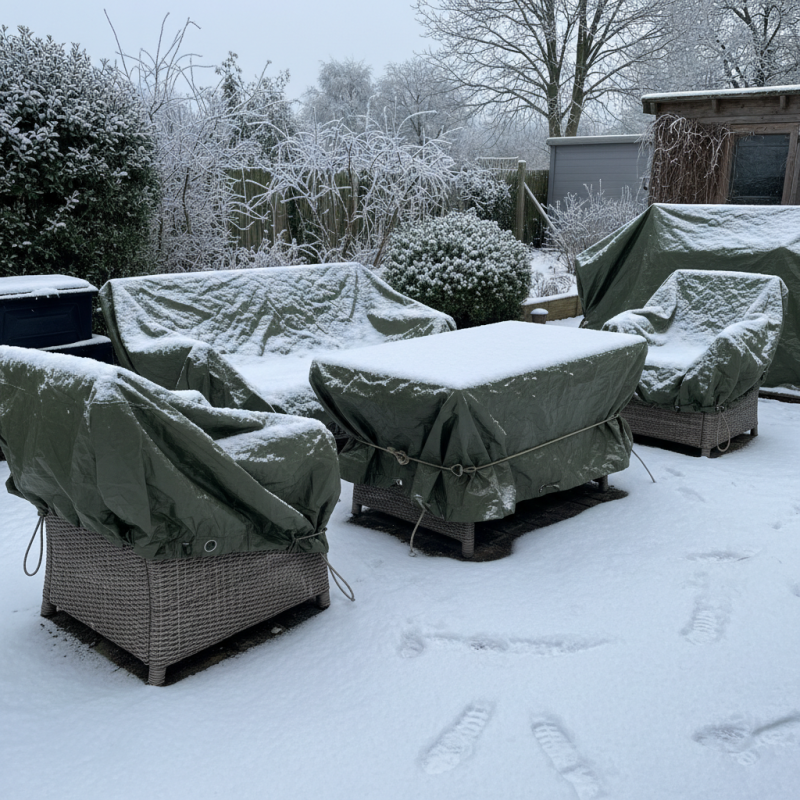
Covering your wicker with heavy-duty tarps is a good start. Alternatively, storing them in a garage or shed can offer better protection. Even the best-treated wicker may not survive harsh winters unscathed. Experts consistently recommend that homeowners take proactive steps to ensure their outdoor decor remains intact year after year.
Selecting the Right Type of Wicker Furniture for Outdoor Use
When selecting wicker furniture for outdoor use, consider materials carefully.
Synthetic wicker is often more durable than natural fibers.
It can withstand harsh weather better. Look for UV-resistant options to prevent fading.
Choose pieces with rust-resistant frames for added longevity.
Pay attention to weaves and finishes. Tight weaves offer better protection against the elements. Additionally, select furniture with a
smooth finish. This helps in avoiding moisture absorption.
It’s essential to check for quality; cheaper options may deteriorate faster.
Be mindful of your specific needs. Will you expose the furniture to heavy rain or snow?
If yes, ensure you can provide proper covers. Sometimes, even the best furniture needs extra
care. Leaving it out unprotected could lead to decay and wear. Reflect on how often you can maintain it throughout the winter.
Preparing Wicker Furniture for Winter Storage
Preparing wicker furniture for winter storage requires careful attention to detail. Wicker is often made of natural materials, making it susceptible to damage from moisture and cold. According to the American Society of Interior Designers, proper winter storage can extend the life of outdoor wicker furniture by up to 25%. This statistic highlights the importance of taking precautions.
Before storing, clean the furniture thoroughly. Use a soft brush and mild soap to remove dirt and grime. Rinse with water and let it dry completely. Moisture can lead to mold growth, which is challenging to remove. Additionally, applying a protective sealant can create a barrier against humidity. Aim for a sealant that is water-resistant but still allows flexibility, as rigid coatings can crack.
Covering wicker furniture with breathable fabric can protect it from dust and sun damage. Avoid plastic covers, as they can trap moisture inside. Inspect the furniture regularly during winter. Look for signs of wear or damage. Address issues promptly to prevent more significant problems. Taking these steps ensures that your wicker furniture remains in good condition for the next outdoor season.
Protective Covers for Outdoor Wicker Furniture
When it comes to protecting wicker furniture outdoors during winter, using appropriate protective covers is essential. Research indicates that high-quality covers can reduce weather damage by up to 75%. These covers shield the furniture from snow, ice, and moisture, which can lead to mold and mildew growth.
Selecting the right material for covers is crucial. Look for waterproof, UV-resistant fabrics. A fitted cover tailored to the shape of your furniture provides the best protection. Ensure that it fully encases the items while allowing for ventilation to avoid trapped moisture. Covers should be secured with straps or toggles to withstand strong winter winds, which can easily displace loose fittings.
Tips to remember: Regularly check your covers for wear and tear. Replace them if you notice any cracks or holes. In addition, consider storing cushions indoors to prolong their lifespan. Keep furniture dry before covering it, as moisture can lead to damage underneath. With proper care and the right protective covers, wicker furniture can last for years, even in harsh winter conditions.
Winter Maintenance Tips for Wicker Furniture
Winter can be tough on wicker furniture. Many owners overlook the need for winter maintenance. Understanding how to protect wicker furniture during this season is crucial for its longevity. Reports indicate that wicker pieces can last up to 25 years with proper care, but exposure to the elements can significantly shorten their lifespan.
Begin by cleaning your wicker furniture thoroughly before the first frost. Remove dust and dirt using a soft brush or a damp cloth. This step helps prevent mold growth, which affects about 30% of outdoor furniture if left unkempt. Next, if possible, store your wicker items indoors during harsh winter months. If indoor storage isn't feasible, consider using protective covers. These can reduce water damage and shield your furniture from destructive ice formation.
Additionally, applying a UV-resistant spray may help maintain the color of your wicker. Many experts recommend this every fall, as UV rays can degrade natural fibers over time. While these steps may seem tedious, neglecting them can lead to irreversible damage. Recognizing the risks is essential for any wicker furniture owner.
Winter Maintenance Tips for Wicker Furniture
Avoiding Common Winter Damage to Wicker Furniture
Wicker furniture adds charm to outdoor spaces. However, winter can pose significant threats. Knowing how to protect these pieces is crucial for longevity. A study by the American Society of Landscape Architects highlights that improper winter care can lead to damages exceeding 30% of the furniture's value.
To avoid common winter damage, start by moving your wicker furniture indoors if possible. If storage isn’t an option, create a protective barrier. Use breathable covers designed specifically for wicker furniture, ensuring they allow moisture to escape. This reduces the risk of mold and mildew, which can thrive in damp, enclosed environments.
Tips: Frequent checking is essential. Inspect the furniture for signs of wear or damage. Waxing the furniture can add an extra layer of protection. A good wax creates a seal against cold elements. Remember, even with precautions, wicker furniture can still become brittle in extreme temperatures.
Lastly, be mindful of heavy snow accumulation. Snow can compress against the furniture, leading to structural changes. A light brushing off with a soft broom will prevent additional stress. Regular care and observation can enhance your wicker furniture's resilience against winter challenges.
How to Protect Wicker Furniture Outdoors in Winter? - Avoiding Common Winter Damage to Wicker Furniture
| Protection Method |
Description |
Tips |
| Use Furniture Covers |
Invest in high-quality covers to protect from snow, rain, and frost. |
Ensure covers are breathable to prevent moisture buildup. |
| Store Indoors |
When possible, store wicker furniture indoors to prevent winter damage. |
Disassemble larger items if necessary for easier storage. |
| Regular Cleaning |
Clean wicker furniture regularly to remove dirt and grime which can cause deterioration. |
Use a soft brush and mild soap solution. |
| Apply Protective Sealants |
Use sealants designed for wicker to enhance water resistance. |
Reapply as recommended by the product instructions. |
| Elevate Furniture |
Keep furniture off the ground to avoid moisture absorption and frost damage. |
Use patio blocks or risers to create distance from the surface. |
Conclusion
When it comes to protecting wicker furniture outdoors in winter, careful consideration of various factors is essential. First, selecting the right type of wicker furniture designed for outdoor use is crucial to ensure durability against harsh weather conditions. Preparing wicker furniture for winter storage involves cleaning it thoroughly and storing it in a dry place if possible. For those who must leave wicker furniture outside, protective covers are highly recommended to shield it from moisture and frost.
Addressing the question, "Can I leave wicker furniture outside in the winter?" the answer is generally no if you want to maintain its condition. Winter maintenance tips such as regularly checking for damage and avoiding exposure to excessive moisture can help preserve wicker furniture. Additionally, being mindful of common winter damage—such as mold growth and discoloration—will contribute to the longevity of your outdoor wicker pieces. Taking these precautions can ensure your wicker furniture remains in excellent shape for many seasons to come.

 GIVANI Furniture