Polywood furniture has gained popularity in recent years, but what are the pros and cons of polywood furniture? This material, made from recycled plastics, offers a sustainable alternative to traditional wood. According to a 2022 industry report, the demand for eco-friendly furniture increased by 25% as consumers seek greener options. However, while polywood boasts durability and resistance to outdoor elements, it is essential to consider its limitations.
Some experts note that polywood furniture can be heavier than traditional options, which may impact mobility. Additionally, while its colors are UV-protected, they can fade over time. As with any product, it is crucial to weigh the benefits against the drawbacks. Many users appreciate the low maintenance and longevity of polywood, yet others express concerns about its higher upfront cost compared to wood. Therefore, understanding these aspects can inform better purchasing decisions tailored to individual preferences and needs.
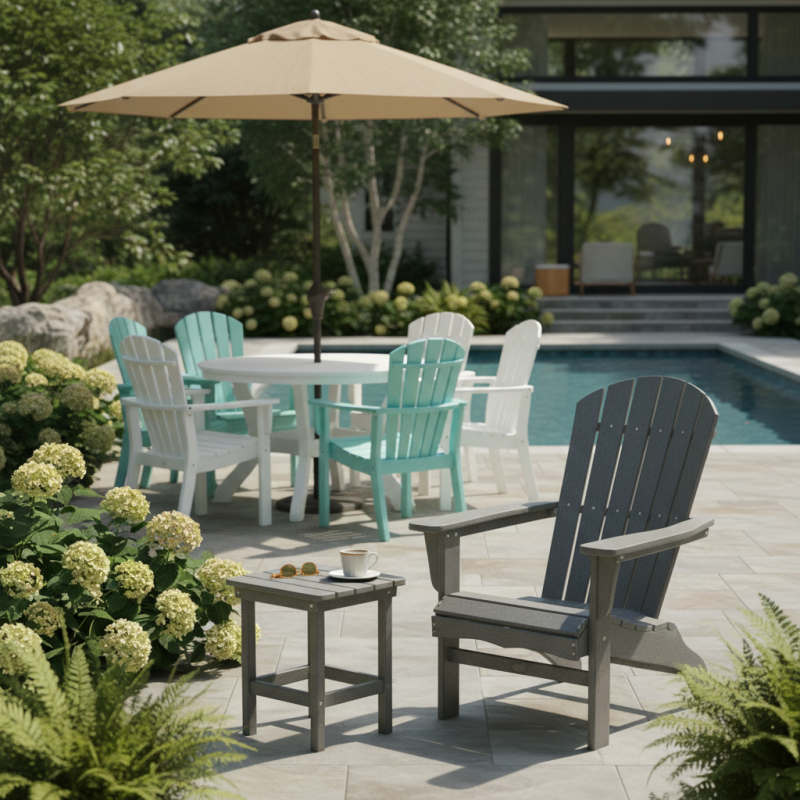
Understanding Polywood Furniture: An Overview of Its Composition
Polywood furniture is made from recycled plastic materials, primarily high-density polyethylene (HDPE). This composition makes it durable and weather-resistant. Unlike traditional wood, it won't splinter, crack, or fade. The manufacturing process uses post-consumer waste, contributing to environmental sustainability. However, the eco-friendly aspect can be questioned due to energy consumption in production.
The surface of Polywood is smooth and easy to clean, which many users appreciate. It's resistant to mold and mildew, making it ideal for outdoor use. However, some people find the feel of Polywood furniture less appealing than natural wood. It can retain heat under direct sunlight, which might cause discomfort. Additionally, while it is lightweight, strong winds can displace it easily. This material has a unique aesthetic that may not appeal to everyone. Assessing personal preferences is essential before purchase.
10 Pros and Cons of Polywood Furniture
Pros of Polywood Furniture: Durability and Resistance to Weather Elements
Polywood furniture stands out for its durability. Made from high-density polyethylene, it can withstand heavy use and last for years. This material is resistant to scratching, fading, and cracking. Even in extreme weather, polywood remains stable and strong, making it ideal for outdoor settings. For example, intense sun or rain won’t warp the furniture.
Another significant advantage is its resistance to moisture. Unlike traditional wood, polywood does not splinter or rot. This makes it a smart choice for coastal areas where saltwater is prevalent. However, some users find that polywood can become hot in direct sunlight, potentially impacting comfort. Additionally, while it mimics the look of wood, the texture might not appeal to everyone.
Overall, while polywood furniture offers many benefits, individual preferences will vary. It’s essential to weigh these factors against personal style and needs. Understanding both sides will help in making informed choices about outdoor furniture.
Cons of Polywood Furniture: Weight and Limited Color Options
When it comes to Polywood furniture, its weight is a crucial factor. This material is denser than most traditional wood, which can complicate moves or rearranging spaces. According to a report by the American Institute for Architecture, heavy furniture can lead to increased labor costs when moving. For those who frequently change their outdoor settings, this added weight can be a drawback. It requires effort to shift items, especially in a dynamic outdoor environment.
Limited color options represent another significant downside of Polywood furniture. While consumers often seek a variety of hues to match their outdoor aesthetics, Polywood typically offers a more restricted palette. Data from the Outdoor Furniture Association shows that nearly 70% of buyers consider color as a key factor in their purchasing decision. However, with limited choices, buyers may find it challenging to create their desired look. This limitation might affect some consumers' overall satisfaction despite the furniture's durability and low maintenance.
Beyond practicality, these drawbacks can influence the perception of Polywood furniture in the market. The industry standard suggests adapting product lines based on consumer preferences. Not addressing these limitations could impact sales. It’s essential for manufacturers to reflect on these aspects and consider expanding color offerings while balancing weight for a better customer experience.
Maintenance and Care for Polywood Furniture: What You Need to Know
When it comes to maintaining Polywood furniture, several key practices ensure its longevity. This synthetic wood is resistant to moisture, insects, and fading, making it a preferred choice for outdoor settings. According to a report by the Outdoor Furniture Research Association, up to 70% of consumers choose materials based on durability and ease of care. Regular maintenance is still essential to keep the furniture looking its best.
Cleaning Polywood is straightforward. A mixture of soap and water works well for most cleanup needs. However, heavy stains may require more attention. In some cases, a soft-bristled brush is effective for scrubbing tough spots. Still, caution is required to avoid scratching the surface, which can lead to more significant damage over time. This is an area where many users overlook details.
Sun exposure can cause fading, even with UV-resistant finishes. While Polywood generally retains its color well, placing furniture in shaded areas can help maintain its aesthetic. According to a study from the American Architectural Manufacturers Association, exposure to direct sunlight can reduce the lifespan of outdoor materials by around 20%. Being aware of such factors can help ensure that Polywood furniture remains functional and visually appealing for years.
10 Pros and Cons of Polywood Furniture You Need to Know
| Aspect |
Description |
| Durability |
Polywood furniture is made from recycled materials and is highly resistant to weather elements, ensuring a long lifespan. |
| Maintenance-Free |
It does not require painting, staining, or waterproofing, making it easy to maintain. |
| Eco-Friendly |
Made from recycled plastics, it helps reduce waste and environment impact. |
| Color Variety |
Available in many colors, allowing for customization to fit different outdoor aesthetics. |
| Weather Resistant |
It can withstand harsh weather conditions, including rain, snow, and UV rays. |
| Comfort |
Some users find Polywood furniture can be less comfortable than traditional wood or cushioned furniture. |
| Weight |
Heavier than some types of outdoor furniture, making it difficult to relocate. |
| Cost |
Typically more expensive upfront compared to traditional wood furniture. |
| Appearance |
Some may feel it lacks the natural beauty and warmth of real wood. |
| Repairability |
If damaged, it may be harder to repair compared to traditional wood furniture. |
Cost Analysis: Is Polywood Furniture Worth the Investment?
When considering Polywood furniture, cost plays a major role. This material often has a higher upfront cost than traditional wood. However, many experts say it pays off long-term. Polywood is resistant to weather and pests, reducing replacement needs. Lower maintenance costs are also a plus. Homeowners enjoy saving time and money compared to wood alternatives.
However, not everyone may find Polywood worth the investment. Some people dislike its plastic look. It may not fit every aesthetic. Additionally, the environmental impact of manufacturing could raise concerns for eco-conscious shoppers. While Polywood is made from recycled materials, the production process isn’t always eco-friendly.
Buyers will want to weigh these factors carefully. Understanding both costs and benefits is essential. It's wise to think about where you’ll use the furniture. For outdoor settings, durability can outweigh aesthetic concerns. But for indoor spaces, natural wood might be preferable for some. Ultimately, personal preference plays a key role in the decision-making process.
FAQS
: Polywood furniture is made from recycled plastic, primarily high-density polyethylene (HDPE).
Unlike traditional wood, Polywood won't splinter, crack, or fade. However, its feel may be less appealing.
Yes, Polywood is smooth and easy to clean. It resists mold and mildew, making it ideal for outdoors.
It can retain heat in sunlight and is heavy, complicating moves. Limited color options may disappoint some buyers.
Polywood often has a higher upfront cost but can save money in the long run due to durability and low maintenance.
Yes, while it uses recycled materials, the production process can consume a lot of energy and may not be very eco-friendly.
Yes, many buyers find limited color options a drawback, impacting their overall satisfaction.
For outdoor use, its durability is beneficial, but for indoors, some may prefer the aesthetic of natural wood.
Buyers should weigh durability, maintenance, aesthetic preferences, and the environmental impact of production.
Yes, its heavier weight can complicate movement and rearranging in outdoor settings.
Conclusion
In exploring the question, "What are the pros and cons of polywood furniture?" it's important to first understand its composition, which typically includes recycled materials that provide durability and longevity. One of the significant advantages is its resistance to various weather elements, making it an excellent choice for outdoor settings. However, potential buyers should also be aware of some drawbacks, such as the furniture's weight and the limited range of color options available.
Maintenance for polywood furniture is relatively straightforward, requiring minimal effort to keep it looking good over time. When considering the cost, it is essential to analyze whether the investment aligns with the anticipated benefits, given its durability and low maintenance requirements. Ultimately, weighing these pros and cons will help consumers make an informed decision about polywood furniture for their living spaces.

 GIVANI Furniture