Spiders often shelter beneath patio tables because the space is quiet, shaded, and protected from wind. Webs may appear around chair legs, table braces, or stored cushions, while egg sacs can hide in small, undisturbed corners. A few strands do not always mean an infestation. Spiders also help control insects, so the goal is usually to discourage them from settling near seating—not to eliminate every spider outdoors.
How to prevent spiders from nesting under patio tables? This guide explores practical steps for 2026, including regular inspections, careful cleaning, and reducing clutter around the table. It also explains how to limit insect-attracting conditions, since a steady supply of prey can make a spot more appealing. Small details matter. Check the underside after moving the table, and look closely where metal or wooden supports meet. Remove webs with a brush or vacuum, then empty the vacuum outdoors. Wear gloves, and avoid touching an unfamiliar spider or egg sac.
Results can vary with local weather, nearby vegetation, and the table’s design. No single method keeps every spider away. That is worth remembering. A tidy patio may still attract an occasional visitor, and repeated harsh treatments can create unnecessary risks for people, pets, and beneficial wildlife. The sections ahead focus on realistic, low-impact habits and signs that may call for closer attention. Inspect regularly, adjust what works, and be willing to rethink the setup if webs return.
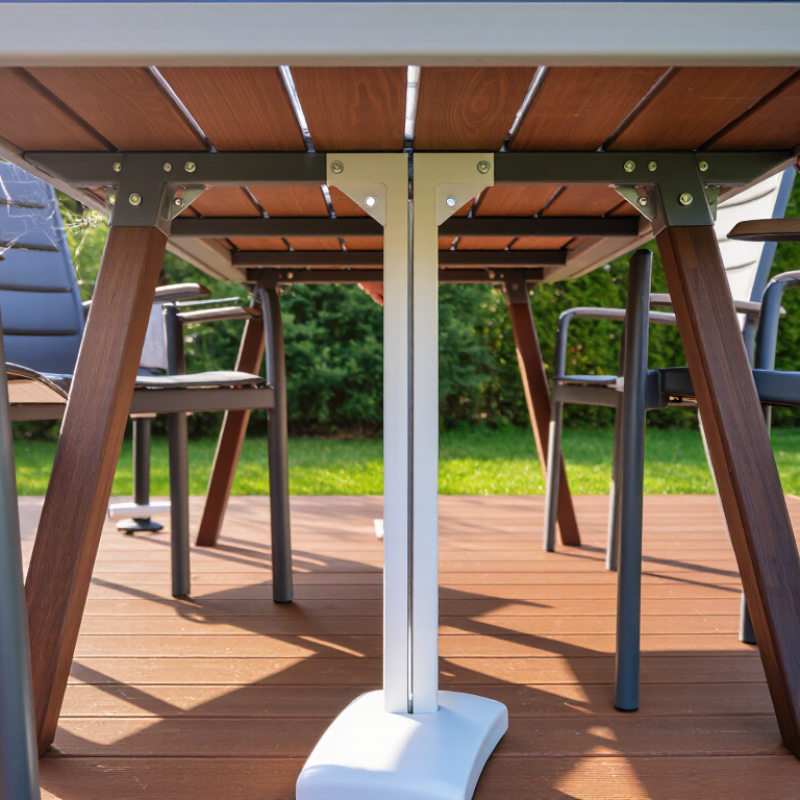
Spiders do not choose a patio table because it is a table. They look for shelter, stable surfaces, and insects to catch. The underside often provides all three. It is shaded during hot afternoons and less exposed to rain and wind. It feels protected.
The frame creates quiet corners where webs are less likely to be disturbed. A joint between the tabletop and its supports can offer a useful anchor, while the space beneath the table stays calm overnight. Small details matter. Crumbs, spilled drinks, and nearby plants may attract flies or other small insects, giving hunting spiders a reason to linger. Outdoor lights can also draw insects close after dusk.
A web beneath a table does not always mean the area is dirty. Spiders may simply have found a sheltered route and a steady food source. The pattern can vary with the table’s design, local weather, and nearby vegetation. One easy assumption is that every spider is building a nest; in fact, many make webs or hide in crevices, and some species do neither. Look for repeated webbing or an egg sac before deciding what is happening.
Spiders often settle in sheltered, undisturbed places where prey is available. Regular cleaning and inspections can make the space beneath a patio table less inviting.
About the chart: These are suggested maintenance intervals, not measured spider-activity data. Remove webs and debris promptly, and check tucked-away areas regularly.
Before cleaning, slide the table into daylight and inspect it from several angles. Use a flashlight beneath the tabletop, around screw holes, inside hollow legs, and along crossbars. Look for fresh, taut webs, silk-wrapped egg sacs, shed skins, or trapped insects. Check the feet and nearby wall or planter, too; spiders may shelter just beyond the table. Look closely. A loose strand of silk alone does not prove a nest is active.
The National Pest Management Association’s 2024 Bugs Without Borders survey reported that 84% of U.S. homeowners had experienced a pest problem in the previous year. That figure covers pests generally, not spiders specifically, but it supports making outdoor inspections routine. University extension guidance notes that spiders use silk for webs and egg sacs, though appearance varies by species. A dusty web can be old, while a neat web may have been rebuilt recently. I would not treat either clue as proof by itself.
Tips: Photograph suspicious spots before disturbing them, then check again after dusk, when some spiders become active. Wear gloves, and avoid handling egg sacs. If you cannot identify what you see, leave it undisturbed and ask a qualified pest professional.
Webs often collect where table legs meet the underside, around screw holes, and inside umbrella sockets. Use a flashlight to check these shaded spots before cleaning. A long-handled, soft brush can lift webs and egg sacs without reaching blindly beneath the table. Wear gloves, and avoid touching any spider you cannot identify.
Wipe the table’s underside and joints with a damp cloth, then rinse and dry the surface. Put removed webs and sacs in a sealed bag for disposal; don’t crush sacs with bare hands. Check again after a few days, since a quick sweep can miss tiny strands tucked into a joint. If you find many spiders or feel unsure about safe removal, contact a qualified pest professional.
Tips: Move cushions and stored items away from the table, and clear dead leaves from nearby corners. Keep planters from pressing against the legs. A tidy space helps, but it may not stop every spider from returning.
Spiders often settle beneath patio tables because the area stays quiet, shaded, and full of hiding places. Reduce that shelter by sweeping leaves, loose mulch, and old webs from table legs and corners each week. Clear damp debris, too. It can attract small insects, which provide food for spiders. Less clutter helps.
Keep chairs, cushions, and storage bins from forming tight, dark gaps under the table. Move the table a little away from dense shrubs, and trim branches that touch its edges. Check the ground after windy days; fallen leaves can collect surprisingly fast. It is easy to overlook the space behind a table leg. I would check there, even when the rest looks tidy.
Food and lighting matter as well. Wipe sugary drink spills and crumbs soon after meals, and empty nearby bins regularly. Consider a shielded, warm-toned outdoor light instead of a bright white bulb; it may draw fewer insects, though it will not keep all of them away. Keep the area reasonably dry by fixing dripping planters or hoses. No method is perfect. If webs return, look for a nearby insect source or a sheltered corner you missed.
A spider-resistant patio table area starts with fewer hiding places. Keep the space beneath the table clear of bags, folded covers, and stacked pots. Sweep away leaves and crumbs, since insects may gather where food and debris collect. Check the table’s underside, leg joints, and umbrella opening during routine cleaning. Small habits help.
After a windy day, look for fresh webs along the frame and between table legs. Remove them with a long-handled brush, then wipe the surface with soapy water. Wear gloves, and avoid handling spiders or egg sacs directly; if you cannot identify one, leave it alone or ask a local pest professional for advice. Repair loose fittings that create narrow, sheltered gaps. I still miss corners sometimes. A quick second look catches them.
At night, switch off patio lights when they are not needed, or use softer, downward-facing lighting to reduce insect activity near the table. Keep cushions dry and store them indoors when rain is expected. Inspect the area weekly in warm weather, and adjust the routine if webs return. No patio stays spider-free all the time, and that may not be a realistic goal. A clean, uncluttered table area simply gives spiders fewer quiet places to settle.
| Maintenance Area | Recommended Action | Suggested Frequency | Why It Helps | Practical Notes |
|---|---|---|---|---|
| Under-table cleaning | Remove leaves, loose soil, food crumbs, and other debris from beneath the table and chairs. | Weekly, and after outdoor meals | Reduces sheltered hiding places and the insects that spiders may prey on. | Use a broom or vacuum suitable for outdoor surfaces; check corners and the undersides of furniture. |
| Web removal | Brush away webs and visible egg sacs with a long-handled brush, then dispose of the material in a sealed bag. | Weekly during active spider season | Interrupts web use and helps you notice whether activity is returning. | Wear gloves and avoid handling spiders or egg sacs directly. Take extra care if anyone nearby is sensitive to bites. |
| Furniture placement | Keep the table and chairs slightly away from walls, dense shrubs, stacked items, and other sheltered edges where possible. | Check when arranging furniture; review monthly | Creates fewer protected contact points between the patio table area and nearby harborage. | Leave enough room for comfortable use and safe access. Do not block walkways or exits. |
| Lighting and insects | Turn off unnecessary patio lights when the area is not in use, or use a shielded light directed toward the seating area. | Nightly when practical | Outdoor lights can attract flying insects, which may provide food for some spiders. | Lighting changes may reduce insect attraction but cannot guarantee that spiders will stay away. |
| Vegetation and storage | Trim plants touching the patio and keep firewood, pots, and stored items away from beneath the table. | Inspect monthly and after strong growth | Limits sheltered spaces and reduces routes from vegetation or stored materials to the furniture. | Follow safe pruning practices and keep storage raised or in a closed container where appropriate. |
| Routine inspection | Check table joints, chair legs, umbrella fittings, and other sheltered gaps for webs or egg sacs. | Weekly in warm weather; less often when activity is low | Early detection makes cleaning and minor adjustments easier. | Inspect before sitting down, especially after the furniture has been unused for several days. |
| Moisture and drainage | Empty standing water from saucers and containers, and correct drainage issues near the seating area. | After rain and during regular patio checks | Standing water can support insects that may attract predators, including spiders. | Keep the patio surface clear and dry where possible; avoid creating hazards with cleaning water. |
| Use of pest-control products | Use non-chemical cleaning and exclusion measures first; if a pesticide is needed, choose a product labeled for the site and follow its directions exactly. | Only when necessary | Targeted, label-compliant use reduces unnecessary exposure to people, pets, and beneficial insects. | Never apply a product to furniture or outdoor surfaces unless the label specifically permits that use. |
Move it into daylight. Check beneath the tabletop, screw holes, hollow legs, crossbars, and umbrella sockets with a flashlight.
Look for fresh webs, silk-wrapped egg sacs, shed skins, or trapped insects. A loose strand alone does not confirm activity.
Yes. Dust may collect on an old web, while a spider can rebuild a neat one. Neither clue proves activity by itself.
Yes. Inspect the feet, nearby walls, planters, and corners. Spiders may shelter just beyond the table.
Take a photo before cleaning, then look again after dusk. Some spiders become active then. I may miss a tiny strand.
Wear gloves and use a long-handled, soft brush. Avoid reaching blindly beneath the table or touching an unfamiliar spider.
Wipe joints and the underside with a damp cloth, then rinse and dry them. Place removed webs and sacs in a sealed bag.
Move cushions and stored items away, clear dead leaves, and keep planters from touching the legs. If many spiders appear, contact a qualified pest professional. A tidy space may not prevent every return.
Spiders often settle beneath patio tables because the area offers shade, quiet shelter, and a steady supply of insects. To understand how to prevent spiders from nesting under patio tables?, begin by checking the underside, legs, joints, and nearby furniture for webs, egg sacs, shed skins, or live spiders. Inspect carefully with a flashlight, and avoid touching unfamiliar spiders or egg sacs directly.
Remove webs and hiding places with a brush or vacuum, then clean the table and surrounding surfaces. Reduce shelter by moving stored items, trimming nearby plants, and keeping the area clear of leaves and clutter. Since insects attract spiders, use outdoor lighting thoughtfully and clear away food scraps and standing water. Regularly inspect and clean the table, especially after periods of little use, to make the patio less inviting and catch signs of spider activity early.

GIVANI Furniture