Outdoor events often require flexible arrangements. Many organizers wonder, “Can you use indoor chairs for a temporary outdoor event?” This question is relevant for anyone planning gatherings like weddings, parties, or corporate meetings.
Dr. Emily Chen, a furniture design expert, states, “While some indoor chairs can work outdoors, they often lack durability against weather elements.” This underscores the need to consider chair materials, comfort, and safety. Indoor chairs typically prioritize style over practicality in outdoor environments.
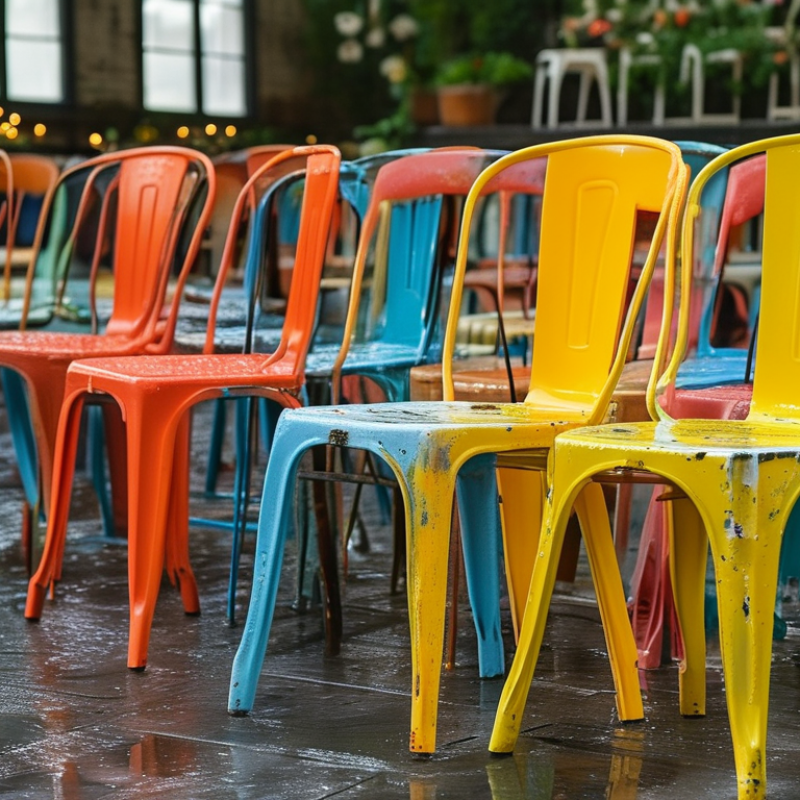
For example, wooden chairs could warp in rain. Metal chairs may rust if left outside. Plastic options may fade or crack under sun exposure. Thus, while it is possible to use indoor chairs temporarily outside, it requires thoughtful planning. Always assess the specific conditions of the event site. The ideal solution often involves renting furniture specifically designed for outdoor use. This choice enhances both aesthetics and functionality.
Considerations for Using Indoor Chairs Outdoors
Using indoor chairs for temporary outdoor events can be tempting. However, there are several considerations to keep in mind. Indoor chairs are not always designed to withstand outdoor elements. Weather can damage the materials, particularly wood and fabric. The American Society for Testing and Materials (ASTM) highlights that UV exposure can deteriorate upholstery. Chairs may fade or lose their structural integrity over time.
Comfort is crucial at outdoor events. Research indicates that guests spend an average of 3 hours seated during events. A chair that is comfortable indoors might not perform well outdoors. Consider the surface where the chairs will be placed. Uneven ground can compromise stability. It’s essential to choose chairs that can adapt to outdoor conditions.
Tips: Use chair covers to protect from moisture and UV exposure. Additionally, consider lightweight options for ease of transport. Always check the weight limit and stability of indoor chairs before use. A small investment in outdoor-friendly seating can enhance guest experience and ensure safety. Remember, the right choice can make or break an event.
Material Durability and Weather Resistance for Outdoor Use
When considering using indoor chairs for temporary outdoor events, material durability and weather resistance play crucial roles. Many indoor chairs are crafted from materials not designed for outdoor conditions. Common indoor fabrics, such as polyester or cotton blends, can absorb moisture and fade under UV light. Reports indicate that outdoor seating should ideally use UV-resistant materials, such as polyethylene or treated metal.
Weather conditions can be unpredictable. Rain or high humidity can damage indoor chairs quickly, leading to costly replacements or repairs. A survey by the Furniture Research Institute revealed that chairs exposed to moisture beyond their tolerance can degrade within weeks. Metal chairs, while robust, can rust without proper coatings. Choosing the right material means evaluating weather forecasts and potential exposure risks.
Even within “outdoor”-rated chairs, performance varies. Some might withstand moderate rain but fail during heavy downpours. Moreover, outdoor use significantly shortens the lifespan of furniture not designed for such environments. Inconsistencies include uneven fading, structural weaknesses, and more. Balance is key. Assessing the environment and selecting appropriate materials leads to successful outdoor events.
Comfort and Design: Are Indoor Chairs Suitable for Outdoor Events?
When planning outdoor events, many wonder if indoor chairs will suffice. Comfort and design play pivotal roles in determining suitability. Studies show that comfort directly affects guest experience. Indoor chairs often feature softer cushions tailored for extended use in controlled environments. This design might not hold up outdoors, especially on uneven terrain or during varying weather conditions.
There are significant downsides to using indoor chairs outside. For instance, they may not resist moisture or sunlight. As a result, materials can warp or fade. The weight of indoor chairs may also become problematic in windy conditions, potentially moving or toppling over. An industry report notes that about 70% of event planners encountered difficulties when using improper seating.
Tip: When selecting chairs for outdoor events, prioritize sturdiness and weather resistance. Look for options that can withstand both sun and rain.
An uncomfortable chair can ruin a gathering. Less comfortable seating can lead to dissatisfied guests. Always test the furniture in similar conditions prior to the event. Adjustments can make a significant difference. Make an informed choice based on the event's setting and expected guest comfort.
Safety and Stability Factors for Indoor Chairs on Outdoor Surfaces
Using indoor chairs for outdoor events might seem like a convenient option. However, safety and stability are critical factors to consider. Indoor chairs are not designed to withstand outdoor conditions. They may easily topple over on uneven surfaces. Make sure to evaluate the ground where the event will be held. Soft or unstable ground can cause chairs to sink or tip.
Additionally, outdoor elements can affect chair performance. Wind can be a significant factor, especially with lightweight models. A gust of wind could send a chair flying, posing a risk to guests. Stability becomes even more important when multiple people are using a chair. Indoor chairs often lack features like weighted bases that ensure they stay grounded outside.
Consideration should also be given to user comfort. While indoor chairs may look appealing, they might not provide adequate support in an outdoor setting. The materials used can also degrade under sunlight and moisture. Regular checks for any signs of wear or damage are essential. Guests may require a safe and steady seating experience, and evaluating these factors ahead of time can enhance overall safety.
Safety and Stability Factors for Indoor Chairs on Outdoor Surfaces
Cleaning and Maintenance of Indoor Chairs After Outdoor Events
When using indoor chairs for outdoor events, post-event care is crucial. Moisture and dirt can damage chairs not designed for outdoor use. It’s important to inspect each chair carefully after an event. Check for signs of wear, dirt, and moisture accumulation. One area to focus on is the seat cushions. These can trap water and become a breeding ground for mold if not dried properly.
Cleaning indoor chairs involves several steps. Start by gently wiping surfaces with a damp cloth to remove dust and debris. Use mild soap for stubborn stains. Be cautious with fabric chairs; they require special care. After cleaning, ensure they dry completely to prevent mildew. Sunlight can help in drying, but avoid prolonged exposure to prevent fading.
Many overlook seat frames made of wood or metal. They can rust or warp when exposed to the elements. Inspecting these areas regularly can help extend their life. Plan to store indoor chairs in a dry area after cleaning to maintain their quality. Reflecting on this process helps improve future event preparations. Understanding the limitations and maintenance needs of indoor furniture is key for successful outdoor use.
Can Indoor Chairs Be Used for Temporary Outdoor Events? - Cleaning and Maintenance of Indoor Chairs After Outdoor Events
| Chair Type |
Material |
Suitability for Outdoors |
Cleaning Method |
Maintenance Tips |
| Plastic Chair |
Polypropylene |
Yes |
Wipe with damp cloth |
Store indoors during bad weather |
| Wooden Chair |
Solid Wood |
Limited |
Gentle soap solution |
Apply wood treatment regularly |
| Metal Chair |
Aluminum |
Yes |
Mild detergent and water |
Check for rust regularly |
| Upholstered Chair |
Fabric |
No |
Vacuum and spot clean |
Use outdoor covers if necessary |
| Stackable Chair |
Polycarbonate |
Yes |
Wipe down after use |
Keep away from direct sunlight long-term |
Conclusion
When planning a temporary outdoor event, a common question arises: "Can you use indoor chairs for a temporary outdoor event?" While indoor chairs can offer comfort and aesthetic appeal, several factors must be considered. Material durability and weather resistance are crucial, as indoor chairs may not withstand the elements like rain or UV exposure. Additionally, the comfort and design of the chairs should align with the outdoor setting and the event's duration.
Safety and stability are also key concerns, as uneven outdoor surfaces can pose tipping risks for indoor chairs. Moreover, proper cleaning and maintenance after the event are necessary to keep the chairs in good condition. Ultimately, while it is possible to use indoor chairs outdoors for a short period, careful consideration of these factors will ensure a safe and enjoyable experience for all attendees.

 GIVANI Furniture