Choosing durable outdoor furniture materials is crucial for any homeowner. As industry expert John Smith states, "Selecting the right material can extend your furniture's lifespan significantly." This raises an essential question: Which outdoor furniture material lasts the longest?
When investing in outdoor furniture, one must consider factors like weather resistance and maintenance requirements. Materials like teak and aluminum are known for their longevity. They resist elements like rain and UV rays effectively. However, even the best materials can falter without proper care. This aspect often gets overlooked.
Moreover, the choice of material goes beyond mere durability. Aesthetic appeal and comfort also play vital roles in a homeowner's decision. Some materials might last long but may not suit every design vision. It's essential to balance durability with personal style. Reflecting on your choices can lead to a more fulfilling outdoor space.
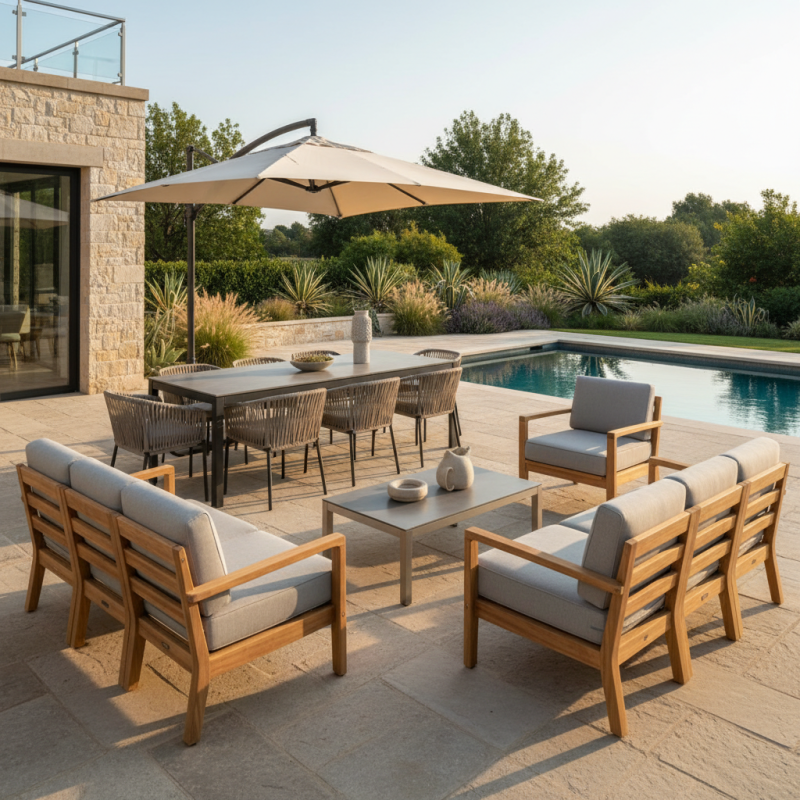
Importance of Durability in Outdoor Furniture Selection
When selecting outdoor furniture, durability is a key factor. Outdoor pieces face various weather conditions, from intense sun to heavy rain. According to a report from the American Society of Landscape Architects, nearly 40% of all residential outdoor furnishings need replacement in less than five years due to wear and tear. This highlights the importance of choosing materials that withstand the elements.
Materials such as aluminum, teak, and high-density polyethylene (HDPE) provide a viable solution. These options resist corrosion, fading, and cracking. For instance, teak wood can last for decades if properly cared for. In contrast, lesser-quality materials may not only look worn but can also pose safety risks. Broken furniture can lead to injuries, especially in busy outdoor spaces. It is vital to assess the quality before making a purchase.
Investing in durable outdoor furniture pays off over time. A study from the Furniture Industry Research Association suggests that durable pieces can save homeowners up to 30% in replacement costs over a ten-year period. This long-term financial benefit is complemented by enhanced safety and comfort in outdoor areas. The choice of materials should not be taken lightly, as it contributes significantly to the longevity and utility of your outdoor spaces.
Durability of Outdoor Furniture Materials
Common Materials Used in Durable Outdoor Furniture
When selecting outdoor furniture, material choice plays a pivotal role in durability. Many people overlook the importance of this aspect. By understanding common materials, you can make informed decisions.
Aluminum is popular for its lightweight nature. Its resistance to rust makes it ideal for all climates. However, it may dent easily. Wood, especially teak, offers natural beauty and strength. Yet, it needs regular maintenance to preserve its quality. Wicker is another option. Synthetic wicker can withstand harsh weather but may fade over time.
Tip: Always consider the climate in your area. This can impact the lifespan of your furniture. Check materials for warranties and care instructions. Investing in quality materials saves you money long-term. Evaluate the pros and cons of each option to ensure it meets your needs.
Why Is It Important to Choose Durable Outdoor Furniture Materials? - Common Materials Used in Durable Outdoor Furniture
| Material |
Durability |
Weather Resistance |
Maintenance Level |
Environmental Impact |
| Teak Wood |
High |
Excellent |
Low |
Sustainable if sourced responsibly |
| Aluminum |
High |
Very Good |
Minimal |
Recyclable |
| Resin Wicker |
Medium |
Good |
Low |
Varies by manufacturer |
| Steel |
High |
Fair (needs treatment) |
Moderate |
Not as sustainable |
| Synthetic Fabric |
Medium |
Good |
High |
Variable, often not biodegradable |
Benefits of Choosing Weather-Resistant Furniture
Choosing weather-resistant furniture greatly benefits outdoor spaces. One of the most significant advantages is durability. Materials like aluminum, teak, and resin wicker withstand harsh weather conditions. This resilience means fewer replacements over time. Investing in durable furniture saves money in the long run.
Another benefit is maintenance. Weather-resistant furniture often requires less upkeep. A simple wipe-down can keep it looking fresh. Unlike traditional furniture, these materials don’t warp, fade, or rust easily. This ease of care allows you to enjoy your outdoor area more.
However, not all weather-resistant furniture is created equal. Some may still fade or degrade with prolonged exposure. It's essential to research materials and understand their limits. Finding the right balance between style and functionality can be challenging. A thoughtful approach leads to long-lasting enjoyment of outdoor spaces.
Maintenance Tips for Long-Lasting Outdoor Furniture
Maintaining outdoor furniture is key to prolonging its life. Start by
regularly cleaning surfaces. Use mild soap and water, and avoid harsh chemicals that can damage materials. Rinse
thoroughly to prevent residue build-up. Dirt and debris can lead to premature wear.
Inspect your furniture for signs of wear. Look for rust or fading colors. Understanding your materials can guide maintenance. Wood may need oiling, while metal and plastic need different care. Always follow the manufacturer's recommendations if available. Sometimes, you must replace parts to avoid larger issues later.
Cover furniture when not in use. This simple action can shield it from harsh weather and debris. If you live in areas with severe weather, investing in quality covers can be worth it.
However, even the best covers won't prevent issues entirely. Regular check-ups are essential. Critically assess your furniture's condition and make adjustments as needed.
Environmental Impact of Durable Outdoor Furniture Materials
Durable outdoor furniture materials play a vital role in environmental sustainability. Choosing robust materials often means less frequent replacements. This reduces waste and the demand for new resources. For example, metal and high-quality wood can withstand weather elements longer than cheaper alternatives. The longevity of these materials directly impacts their ecological footprint.
Every piece of furniture has a story. It often reflects the resources involved in its production. Sustainable materials require energy and water, both significant factors for the environment. While opting for durable options may involve a higher upfront cost, the long-term benefits are substantial. It is essential to consider how these choices can promote a healthier planet.
Conversely, the reliance on synthetic materials poses challenges. They may be cheaper but tend to have a shorter lifespan. Poor disposal methods can lead to plastic pollution, highlighting a dilemma consumers face. Rethinking our choices is crucial to lessening this impact. We must evaluate how our preferences can shape a more sustainable future for outdoor spaces.
FAQS
: Weather-resistant furniture is durable and requires less maintenance. It withstands harsh weather and lasts longer.
Regularly clean it with mild soap and water. Avoid harsh chemicals and cover it when not in use.
No, some may still fade or degrade over time. Researching materials is important for long-lasting use.
Check for rust, fading, or other damage. Regular inspections help catch issues early for better maintenance.
Yes, durable materials reduce waste by lasting longer. This lowers demand for new resources and helps the planet.
Synthetic materials can be cheaper but usually have a shorter lifespan. Poor disposal can lead to pollution.
Covers protect furniture from harsh weather and debris. However, they can't prevent all issues, so regular checks are necessary.
Understand the specific care each material requires and follow maintenance recommendations to extend its life.
Choices affect resource use and pollution. Evaluating options critically promotes a more sustainable outdoor space.
Yes, while durable options may cost more upfront, they provide long-term savings and sustainability benefits.
Conclusion
Choosing durable outdoor furniture materials is essential for ensuring longevity and performance in outdoor settings. Understanding the importance of durability in furniture selection helps consumers invest wisely, as various materials like teak, aluminum, and resin wicker are known for their resilience against the elements. Weather-resistant furniture not only provides aesthetic value but also reduces the need for frequent replacements, thus being cost-effective in the long run.
To address the question, "Which outdoor furniture material lasts the longest?" teak is frequently cited as one of the top choices due to its natural oils that resist moisture and pests. Proper maintenance, such as regular cleaning and protective treatments, can further extend the life of outdoor furniture. Additionally, considering the environmental impact of durable materials can lead to more sustainable choices, benefiting both the user and the planet. Choosing the right material not only enhances outdoor spaces but also contributes to a more eco-friendly lifestyle.

 GIVANI Furniture