Rust can be a significant issue for metal patio chairs. Many people overlook this problem, allowing it to worsen over time. Unsightly stains and corrosion can ruin the aesthetic appeal of outdoor furniture. If you're wondering how to remove rust from metal patio chairs, you're not alone.
Understanding the best methods can make a difference. Various techniques exist, from simple household items to specialized products. Each method has its pros and cons. It’s essential to choose one that fits your situation. You may find that some solutions can be time-consuming or require more effort than expected.
Before diving into practical steps, consider your chairs' current condition. Assess the extent of the rust and choose an approach that matches it. Sometimes, quick fixes may not yield lasting results. Embracing a thorough process can lead to better outcomes, keeping your chairs looking pristine for years. Whether you're tackling this project alone or seeking help, knowing how to remove rust from metal patio chairs will empower you to restore your outdoor space.
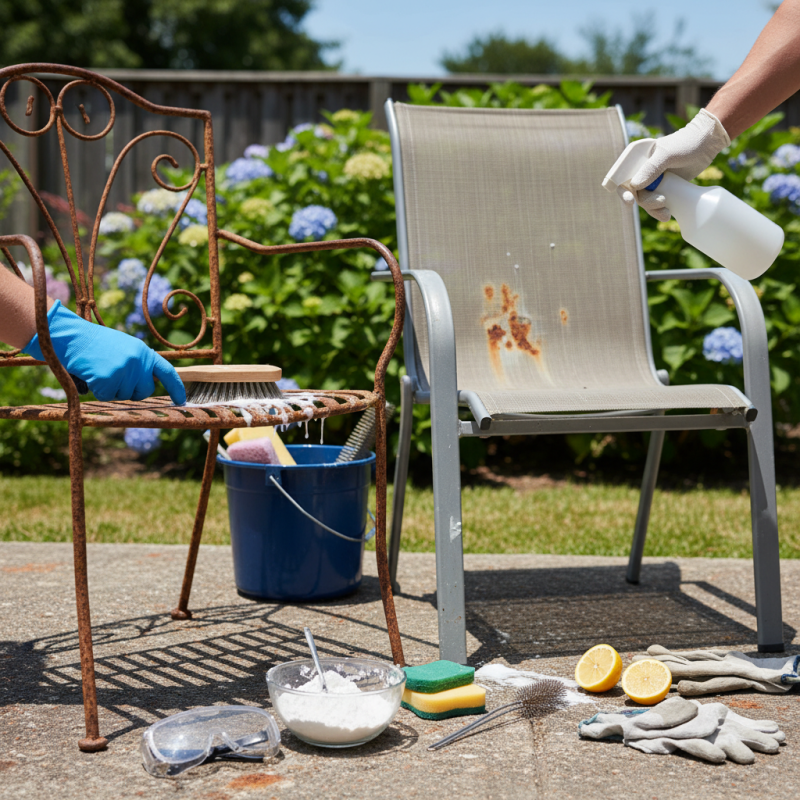
Metal patio chairs often succumb to rust due to several environmental factors. Moisture is the primary culprit. Rain, humidity, and dew can create a perfect environment for rust to form. Even small water droplets can initiate the oxidation process. Over time, this leads to pitting and flaking, ruining the appearance and integrity of the furniture.
Another significant factor is the lack of protective coatings. Many chairs come with coatings that wear off due to exposure and use. Once these protective layers are compromised, the metal is exposed to air and moisture. This exposure accelerates rust formation. Additionally, scratches and damage can expose raw metal underneath the paint, leading to rust development. Regular maintenance and inspection of patio chairs can identify these issues early, preventing lasting damage.
Lastly, improper storage contributes to rust. Leaving chairs outside during harsh weather can expose them to rain and snow. If moisture is trapped under a layer of snow, the metal can corrode quickly. Finding a covered area for storage can significantly reduce the risk. The fight against rust requires diligence and a keen understanding of these causes. With attention, the longevity of metal patio chairs can be ensured.
To effectively remove rust from metal patio chairs, start by gathering essential tools and materials. You will need a
wire brush,
sandpaper,
and rust remover. A good pair of gloves is vital to protect your hands.
A drop cloth can help catch debris while working.
It's crucial to have a suitable working space. Ensure it's well-ventilated, especially when using chemical
rust removers. A mask can provide added protection against dust and fumes. Regularly check the condition of your tools,
as using worn tools won't yield the best results.
Tips: Test rust remover on a small area first. This ensures it does not damage the chair's finish. Use different grits of sandpaper to smooth rough spots. Be patient; sometimes, multiple applications may be necessary for stubborn rust. Regular maintenance can help keep your chairs looking new, reducing future rust issues.
Rust can quickly turn your metal patio chairs from vibrant to dull. Removing it is essential for both aesthetics and longevity. Start by gathering your materials: sandpaper, a wire brush, rust remover, and protective gloves. Wear gloves to protect your hands from both chemicals and sharp debris.
Begin by scrubbing the rusted areas with a wire brush. This action dislodges loose rust. For stubborn spots, use sandpaper to grind away the corrosion. It is important to apply even pressure while sanding, as uneven techniques can cause scratches or damage to the metal. After scraping, wipe the surfaces with a damp cloth to eliminate dust and debris.
Once you’ve cleared the rust, apply a rust remover product or a vinegar solution. Let it sit for the recommended time, which is often 10 to 30 minutes. Rinse the area with water and dry thoroughly. Leaving any moisture can lead to new rust. Finally, consider repainting the chairs with metal paint for added protection. Make sure to check for any missed spots; even small patches can be problematic later. This process can be tedious, but it’s worth the effort for beautiful, lasting patio furniture.
To prevent rust on metal patio chairs, regular maintenance is essential. Start by keeping them clean. Dirt and moisture can accelerate rust formation. Wipe down your chairs after rain or heavy dew. A simple cloth can do the trick. Regularly inspect for scratches or chips in the paint, as these areas can become vulnerable to corrosion.
Applying a protective coating is another smart step. Use a rust-inhibiting spray or a good quality paint designed for metal. This creates a barrier against moisture. It’s also important to store your chairs properly. When not in use, keep them in a dry, sheltered area. Don’t leave them outside during harsh weather conditions.
Use a tarp for extra protection if you must leave them outside. Additionally, avoid placing your chairs directly on wet grass or soil. Instead, use pads or mats to elevate them. Over time, these small actions can greatly extend the life of your metal chairs. Regular care can help you avoid bigger issues later.
| Method | Effectiveness | Time Required | Preventive Measure | Frequency of Application |
|---|---|---|---|---|
| Vinegar and Baking Soda | High | 1 hour | Apply clear coat | Every 6 months |
| Sandblasting | Very High | 2-3 hours | Use rust-resistant paint | Every 2 years |
| Chemical Rust Removers | High | 30 minutes | Store in dry place | Always |
| Electrolysis | Very High | 4-5 hours | Keep covered in rain | Daily |
| Wire Brush Scrubbing | Moderate | 1 hour | Apply oil or wax | Every month |
When it comes to maintaining your metal patio chairs, a proactive approach can significantly enhance their longevity. Regular cleaning is essential. Dust and dirt can accumulate, leading to rust and decay. Use a soft brush or cloth to wipe down the chairs weekly. For deeper cleaning, mild soap and water will do wonders. This routine can prevent grime from becoming stubborn.
Rust removal should not be ignored. When you notice rust spots, act quickly. A mixture of baking soda and water forms a paste effective in combating rust. Apply it directly to the affected areas and let it sit. Using a soft-bristled brush, scrub gently to avoid scratching the surface. Rinse with water afterward, ensuring no residue is left. Apply a suitable metal sealant to prevent future rusting.
Protection against the elements is key. If you live in a rainy area, consider using a breathable cover. When not in use, store your chairs indoors or under a porch. Sun exposure can fade colors and weaken the material over time. Checking for signs of wear regularly will help maintain their appearance and structural integrity. A little effort goes a long way in keeping your patio chairs in pristine condition.
: Rust forms mainly due to moisture from rain and humidity.
Worn-out coatings expose metal, increasing rust risk through moisture contact.
Storing chairs in covered areas prevents exposure to harsh weather.
Essential tools include a wire brush, sandpaper, rust remover, and gloves.
Good ventilation reduces exposure to harmful fumes from chemical rust removers.
Always test it on a small, inconspicuous area first to avoid damage.
Apply even pressure while sanding to avoid scratches or further damage.
Rinse and dry thoroughly to prevent new rust from forming.
Yes, repainting offers added protection against future rust issues.
Ignoring small patches can lead to future rust problems, so double-check.
To effectively tackle the issue of rust on metal patio chairs, it’s essential to first understand the causes of rust formation, which typically include exposure to moisture and lack of protective coatings. This knowledge allows homeowners to take proactive steps in maintaining their furniture. When asking "How to remove rust from metal patio chairs?", a well-equipped toolkit is crucial. Items such as wire brushes, sandpaper, and rust removers can facilitate the restoration process.
Following a step-by-step guide can make rust removal straightforward. Begin by cleaning the chairs and then thoroughly sanding or scraping off the rust. Apply a rust-inhibiting primer and paint to prevent future corrosion. To protect metal chairs from future rust, regular maintenance, including periodic cleaning and protective coatings, is key. By following these guidelines, you can ensure the longevity and durability of your metal patio chairs, keeping them looking great for years to come.
GIVANI Furniture