Outdoor chair cushions can easily fall victim to mold and mildew. This problem often arises due to the cushions being exposed to moisture and humidity. Many people ask, "How to clean mold off outdoor chair cushions?" The process may seem daunting, but it is quite manageable with the right techniques and materials.
When tackling this issue, it's essential to use safe cleaning products that won't harm the fabric. You may need a brush and a spray bottle for the cleaning solution. It’s surprising how mold can develop in just a few days. You’ll likely find it best to act quickly before it spreads. Just remember, the goal is to restore the cushions effectively without damaging them further.
Evaluating the condition of your cushions is also vital. Some may require replacement after severe mold growth. However, with some effort, many can be revived. Embracing this task will not only improve the look but also the safety of your outdoor space. Not all cleaning methods work for every fabric, so a thoughtful approach is crucial.
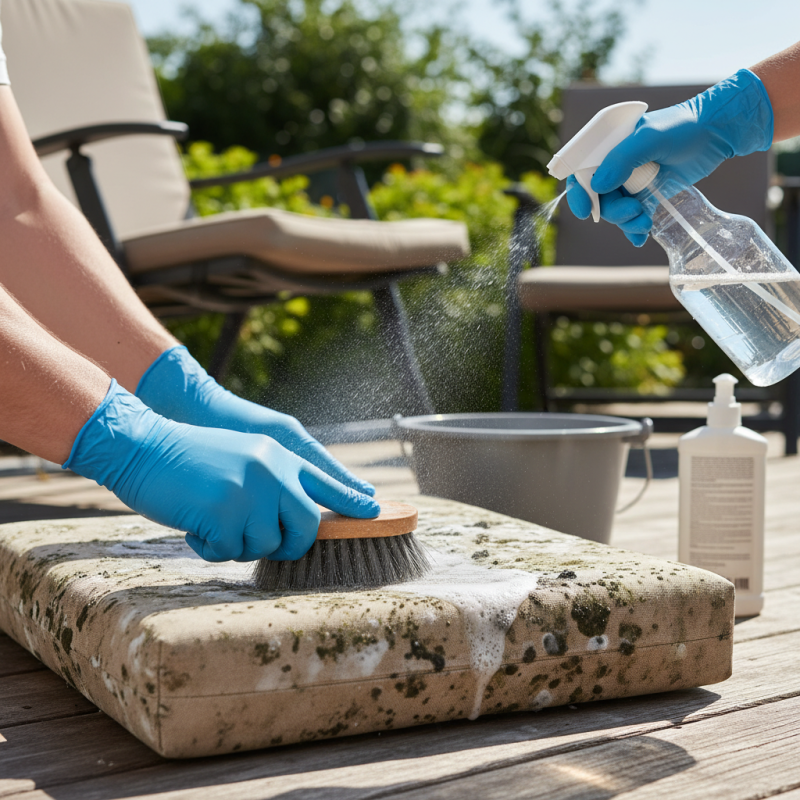
Mold thrives in damp and warm environments, making outdoor chair cushions a prime target. When the cushions are exposed to moisture, they often become breeding grounds for mold. This can occur from rain, dew, or even humidity. If not properly cared for, cushions can turn into unsightly spots on your patio.
To prevent mold growth, it’s essential to dry cushions thoroughly after exposure to moisture. Store them in a dry, airy place when not in use. Using a breathable storage cover can also help. However, covers shouldn’t be too tight, as this can trap moisture.
Tip: Regularly check your cushions for signs of mold, especially after wet weather. If you find mold, act quickly. You can use a simple mixture of water and mild detergent to clean them. Allow the cushions to dry completely in the sun.
Enhancing air circulation around your furniture also helps. Keep the area clear of leaves and debris that hold moisture. Mold can return quickly; thus, prevention is key. Make it a habit to inspect your outdoor space regularly to spot potential problems swiftly.
When dealing with mold-infested outdoor chair cushions, safety comes first. Mold can release spores that irritate the respiratory system. The CDC states that even small amounts can trigger allergic reactions in sensitive individuals. Always wear gloves, a mask, and goggles. This can minimize direct contact with mold, which can be harmful.
Ventilation is crucial. Work outdoors or in a well-ventilated area. Mold spores can spread easily, and proper airflow reduces the risk. Ensure that children and pets are kept away from the cleaning area. If the mold covers a large area, it may be wise to consult a professional mold remediation service.
Tips: Always pre-test any cleaning solution on a small, hidden area of the cushion. This helps avoid discoloration or damage. A mixture of vinegar and water can be effective and safer for the environment. Dry the cushions thoroughly in sunlight; UV rays can help kill remaining spores.
Be mindful that even with precautions, mold can return if the conditions are ripe. Examine your cushions regularly for mold growth. A proactive approach can save you headaches later on!
Cleaning mold from outdoor chair cushions can be a challenging task. Mold not only looks unsightly but can also pose health risks. According to a report by the Environmental Protection Agency (EPA), mold exposure can lead to respiratory issues and allergic reactions. Therefore, addressing mold problems promptly is essential.
Using commercial mold removers is an effective approach. These products are typically formulated with active ingredients that target mold spores. The application process is fairly straightforward. Spray the cleaner on the affected areas and allow it to sit for the recommended time, generally between 10 to 30 minutes. Ensure the space is well-ventilated during this time. It’s important to wear protective gloves and masks to avoid direct contact with the chemicals.
However, this method is not without its flaws. Some products might not eliminate all mold spores. Reports indicate that as much as 30% of mold spores can remain after a single treatment. Thorough rinsing and scrubbing may be necessary to achieve optimal results. Additionally, always follow up with preventive measures, such as storing cushions in a dry place or using covers, to reduce future mold growth.
Cleaning mold from outdoor chair cushions can feel overwhelming. However, natural cleaning solutions offer effective, eco-friendly alternatives. You don't need harsh chemicals. Vinegar, for example, is a powerful mold buster. Mix equal parts of water and vinegar in a spray bottle. Spray generously on the affected areas. Allow it to sit for about 30 minutes, then scrub gently with a brush.
Baking soda is another fantastic option. Create a paste with water and baking soda, then apply it to the moldy spots. Let it dry before brushing it off. This method is less aggressive but often requires several applications. Don't forget to wash the cushions with mild soap and water after treatment.
Sunlight is nature's disinfectant. Place the cushions outside to dry completely. This aids mold removal and prevents future growth. However, relying solely on sunlight may not always be sufficient. Regular inspections and prompt action could be crucial. The weather can affect the cushions, too. Maintaining them is a continuous process.
| Cleaning Method | Ingredients | Instructions | Effectiveness |
|---|---|---|---|
| Vinegar Solution | White vinegar, Water | Mix equal parts of vinegar and water. Spray on moldy areas and let sit for an hour. Scrub and rinse. | High |
| Baking Soda Paste | Baking soda, Water | Mix baking soda with water to form a paste. Apply to moldy spots, scrub after 10 minutes, then rinse. | Medium |
| Tea Tree Oil Mix | Tea tree oil, Water | Mix one teaspoon of tea tree oil with one cup of water. Spray on affected areas and do not rinse. | Very High |
| Hydrogen Peroxide | 3% hydrogen peroxide, Water | Mix hydrogen peroxide with an equal amount of water. Spray on the mold and leave for 10 minutes before scrubbing. | High |
Keeping outdoor chair cushions mold-free year-round is crucial for longevity and safety. Humidity is mold's best friend. A study found that 70% of outdoor materials can attract mold spores. Regular maintenance is key. It is essential to clean cushions frequently, especially after rain. Wipe them down with a damp cloth. Let them dry completely in the sun. Sunlight kills mold spores effectively.
Storing cushions when not in use is another preventive measure. Use breathable covers, preventing moisture accumulation. A report indicates that mold can grow within 24 to 48 hours in damp conditions. Therefore, avoid letting cushions stay wet for too long. Check for leaks in storage areas. Molds thrive in concealed spaces.
Regularly inspect your cushions for signs of mold. Sometimes, mold appears in spots that are hard to see. If found, act quickly to clean the affected area thoroughly. Always approach mold with caution. Some people may face allergic reactions. Awareness and proactive care are essential for a mold-free environment.
: Mold grows in damp, warm environments. Moisture from rain, dew, or humidity makes cushions prime targets.
Dry cushions thoroughly after moisture exposure. Store them in a dry place, using breathable covers without trapping moisture.
Use a mixture of water and mild detergent. For tougher mold, mix vinegar with water, apply it, let sit, and scrub gently.
Sunlight acts as a natural disinfectant. It helps to dry cushions and eliminates mold spores effectively.
Regular inspections are vital, especially after wet weather. This helps spot issues quickly and address them promptly.
Yes, always check for leaks in storage areas. Mold can thrive in damp, concealed spaces if not monitored.
Yes, solutions like vinegar and baking soda are effective. They are eco-friendly and less aggressive than harsh chemicals.
Inspect carefully and clean thoroughly. Mold can hide in difficult spots, so vigilance is key.
Mold can develop within 24 to 48 hours in damp conditions. Act quickly to prevent growth.
Ignoring mold can lead to health issues and deterioration of the cushions. It's important to act promptly and cautiously.
Cleaning mold off outdoor chair cushions is essential to maintain their appearance and durability. Understanding the causes of mold growth, such as moisture and humidity, is the first step in preventing infestation. Before commencing the cleaning process, it’s crucial to take safety precautions, including wearing gloves and masks to avoid inhaling spores.
A step-by-step guide for cleaning involves using commercial mold removers or natural eco-friendly alternatives. When opting for natural solutions, household items like vinegar or baking soda can be effective. Additionally, implementing preventive measures, such as storing cushions in a dry place during wet seasons and regularly applying protective sprays, can keep your outdoor chair cushions mold-free year-round. By following these guidelines, you can effectively tackle the question of how to clean mold off outdoor chair cushions and ensure they remain in excellent condition.

GIVANI Furniture