When purchasing outdoor furniture, you may wonder, "What is the difference between PE rattan and natural rattan?" This question is crucial for making an informed decision. Natural rattan is derived from the rattan palm, a fast-growing plant found in tropical regions. Its beauty and organic feel make it a classic choice for furniture.
In contrast, PE rattan is a synthetic material made from polyethylene. This durable alternative mimics the appearance of natural rattan but offers significant benefits. It is weather-resistant and requires minimal maintenance, making it ideal for outdoor use. However, some people question the authenticity of synthetic materials.
Both options come with their pros and cons. Natural rattan exudes charm but may not withstand harsh weather. PE rattan, while practical, may lack the warmth of its natural counterpart. Ultimately, the choice depends on your lifestyle preferences and environmental considerations. Evaluating these differences can help you find the right furniture for your needs.
Understanding PE Rattan: Characteristics and Applications
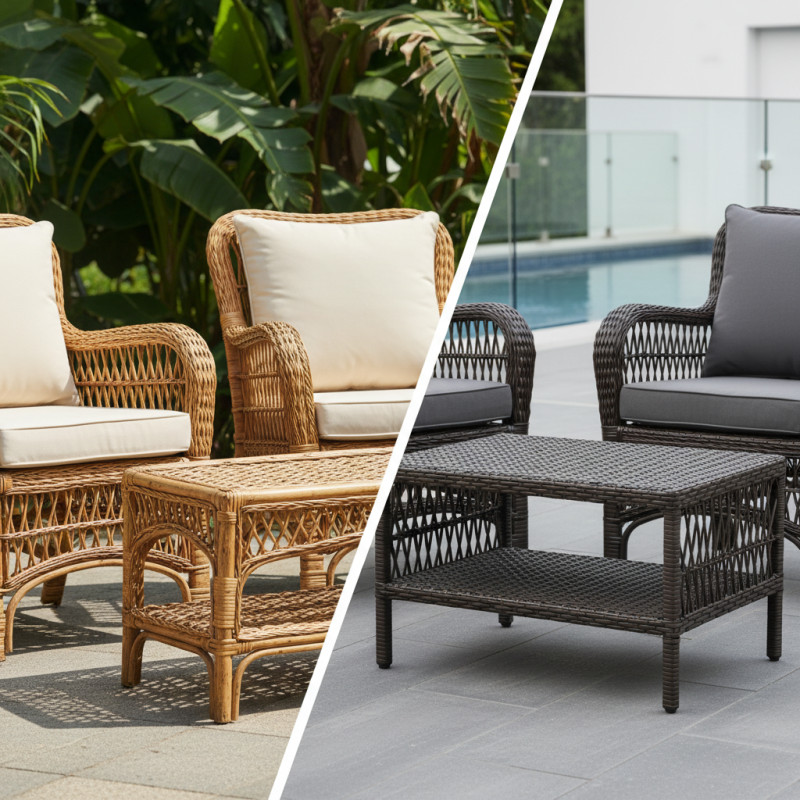
PE rattan, or polyethylene rattan, has gained popularity for its durability and low maintenance. It is a synthetic material, designed to mimic natural rattan's look. This makes outdoor furniture easy to clean and resistant to the elements. Unlike natural rattan, PE rattan does not rot or fade under sunlight. You can find it in various colors and designs, which adds visual appeal to patios and gardens.
In contrast, natural rattan is derived from tropical vines. It offers an organic feel that many people cherish. However, it requires more care to maintain its beauty. Exposure to water and harsh weather can damage it over time. Natural rattan furniture often has unique, intricate patterns, contributing to its charm. But, this can be also a drawback, as not all pieces are consistent.
When choosing between the two, consider your lifestyle. If you prefer low upkeep and long-lasting use, PE rattan may be the better option. On the other hand, if you value authenticity and don’t mind extra maintenance, natural rattan may suit your needs. Reflect on your choices and how they align with your living environment.
Exploring Natural Rattan: Origins and Uses
Natural rattan has a rich history, originating from tropical regions. This climbing palm is known for its flexibility and strength. Used for centuries, natural rattan is often transformed into furniture and home decor. Crafters appreciate its ability to bend without breaking.
The production of natural rattan involves a meticulous process. Harvesting occurs sustainably to protect the ecosystem. Once collected, it is split and treated. This ensures durability while maintaining its natural look. However, the texture can vary based on the source. Some pieces might feel rough, indicating less refinement.
Natural rattan is favored for its warmth and authenticity. Unlike synthetic options, it has a distinct organic quality. However, it requires maintenance to keep its beauty. Exposure to moisture can lead to mold, while sunlight may cause fading. Users must consider these factors when choosing rattan for their space.
Key Differences Between PE Rattan and Natural Rattan
When comparing PE rattan and natural rattan, several key differences emerge. PE rattan is synthetic. This material is made from polyethylene, offering weather resistance and durability. It can withstand harsh elements, making it a popular choice for outdoor furniture. Natural rattan, on the other hand, is derived from the rattan palm. It has a unique beauty and aesthetic appeal, often used in artisanal crafts. However, it is more susceptible to the elements and requires meticulous maintenance.
In terms of comfort and feel, natural rattan has an edge. Its woven structure provides a breathable experience. Users often describe it as warm and inviting. PE rattan might lack this organic charm but compensates with versatility. Available in various colors and styles, it fits modern design trends. However, some purists may prefer the authentic character of natural materials. Each type has its pros and cons, leading to personal choice.
Cost differences also arise between the two materials. Generally, PE rattan is more affordable due to mass production techniques. In contrast, high-quality natural rattan can be pricier. This reflects the craftsmanship involved in its production. Balancing budget and aesthetic preferences is crucial when selecting between these two options.
Advantages and Disadvantages of PE Rattan vs. Natural Rattan
PE rattan, made from synthetic materials, offers durability and resistance to weather elements. Natural rattan, on the other hand, is a biodegradable material that exudes a classic charm. Both have unique advantages and disadvantages.
PE rattan is ideal for outdoor furniture due to its resistance to fading and mildew. It requires minimal maintenance, making it perfect for busy environments. However, some may find it lacks the authentic touch and feel of natural rattan. Natural rattan pieces, while aesthetically pleasing, can be prone to wear and may need periodic treatment to maintain their appearance.
When choosing between the two, consider your environment and usage. For high humidity areas, PE rattan is likely a better choice. Tips: Look for high-quality PE rattan. It often mimics the look of real rattan closely. Natural rattan can work beautifully indoors. Yet, be aware of its vulnerability to moisture.
Each material presents its challenges. Natural rattan may not hold up under harsh conditions. If you're passionate about sustainability, natural materials might appeal more. Ultimately, weigh these factors based on your needs and style preferences.
What is the Difference Between PE Rattan and Natural Rattan? - Advantages and Disadvantages of PE Rattan vs. Natural Rattan
| Feature |
PE Rattan |
Natural Rattan |
| Material Type |
Synthetic (polyethylene) |
Natural plant fiber |
| Weather Resistance |
Highly resistant to UV and moisture |
Limited resistance, can warp or fade |
| Longevity |
Long-lasting, typically 5-10 years |
Shorter lifespan, about 2-5 years |
| Maintenance |
Low maintenance, easy to clean |
Higher maintenance, needs treatment |
| Appearance |
Uniform appearance, various colors available |
Natural look, unique textures |
| Cost |
Generally more affordable |
Typically higher due to labor-intensive harvesting |
| Environmental Impact |
Synthetic, not biodegradable |
Biodegradable, sustainable if sourced responsibly |
Choosing the Right Rattan for Your Needs: A Comparison Guide
When selecting rattan for furniture or decor, understanding the differences between PE rattan and natural rattan is essential.
PE rattan, made from synthetic materials, offers durability and weather resistance. This makes it ideal for outdoor settings. It can withstand the elements well and requires minimal maintenance. The longevity of PE rattan is a compelling reason to consider it for your next project.
Natural rattan, on the other hand, brings a warm, organic feel to interiors. It's lightweight and flexible, making it easy to work with. However, its vulnerabilities to moisture and UV light mean it may not last as long outdoors. For indoor spaces, natural rattan can create a cozy atmosphere that synthetic alternatives often lack.
Choosing the right type depends on your specific needs. Consider where you will place the furniture. Will it be in a sunny garden or a shaded living room? Reflect on your lifestyle, too. If you have kids or pets, durability might be a top priority. Realizing these factors can help you make a more informed decision. Balancing aesthetics with practicality is crucial in your choice.
FAQS
: PE rattan is a synthetic material that mimics the appearance of natural rattan.
It is durable, low maintenance, and resistant to weather conditions.
Natural rattan offers an organic feel but requires more care and maintenance.
No, PE rattan does not fade or rot, unlike natural rattan.
Natural rattan can wear down under harsh conditions and may need regular treatment.
PE rattan is better due to its greater resistance to fading and mildew.
It is attractive, but some feel it lacks the authentic charm of natural rattan.
Yes, high humidity areas benefit from the durability of PE rattan over natural options.
Yes, it can look beautiful indoors, but watch out for its moisture vulnerability.
Consider your lifestyle and how much maintenance you're willing to provide.
Conclusion
The article "What is the Difference Between PE Rattan and Natural Rattan?" provides a comprehensive overview of the two types of rattan commonly used in furniture and decor. It begins by explaining PE rattan, a synthetic material recognized for its durability and weather resistance, making it suitable for outdoor use. In contrast, natural rattan is derived from palm vines, celebrated for its organic aesthetic and traditional craftsmanship, often used in indoor furnishings and decorative elements.
The piece then delves into the key differences between the two rattan types, highlighting advantages such as the low maintenance of PE rattan versus the timeless charm of natural rattan. It also discusses the pros and cons of each, assisting readers in understanding their specific applications and how to choose the right option based on individual needs. Ultimately, this comparison guide serves to clarify "What is the difference between PE rattan and natural rattan?" for anyone looking to make an informed decision in their rattan selection.

 GIVANI Furniture