When investing in outdoor furniture, durability is key. Many consumers ask, "Which outdoor furniture material lasts the longest?" According to a 2022 report from the American Home Furnishings Alliance, materials like teak and aluminum consistently outperform others in longevity. Teak, known for its natural oils, can last over 50 years with proper care, making it a popular choice for many homeowners.
Aluminum is another strong contender. Its lightweight nature and resistance to rust make it ideal for outdoor settings. In fact, research indicates that aluminum furniture can last up to 30 years, surpassing many other synthetic materials. However, some may overlook factors like maintenance, which can affect lifespan. While wood provides a classic appeal, it often requires more upkeep, challenging its longevity.
Ultimately, the choice of material depends on your outdoor environment and personal style. Consider local climate conditions and usage patterns. Reflecting on these aspects can improve durability and satisfaction. It's not just about appearance; it’s about smart investment, ensuring your outdoor space remains inviting for years to come.
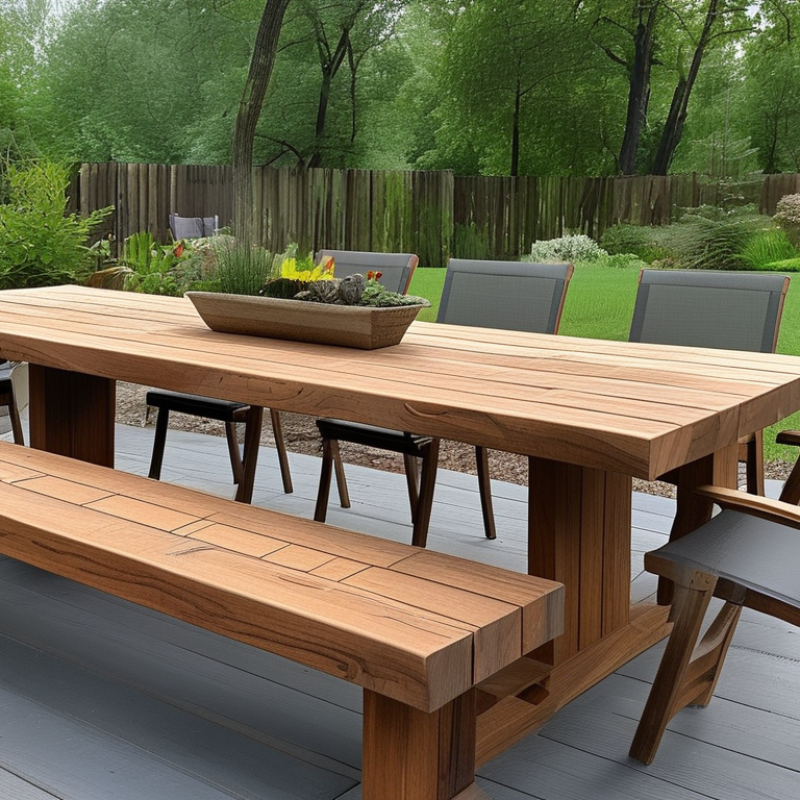
When selecting outdoor furniture materials, durability is key. Different materials withstand various weather conditions. For instance, metal furniture can rust if not treated properly. Wood can warp and splinter if left exposed. Synthetic options offer versatility but may fade over time.
Consider the climate in your area. High humidity can damage natural materials, while strong sun can weaken synthetic ones. Proper maintenance affects longevity. Analyze your commitment to upkeep before making a choice. A beautiful piece may require regular sealing or painting. If time is limited, simpler materials might suit you better.
Weight is another aspect to think about. Heavier items can withstand wind, but they are hard to move. Lightweight options are easier to rearrange but may tip over in strong gusts. Reflect on how you use your outdoor spaces. This will guide you to the most suitable furniture material that lasts without constant care.
When selecting outdoor furniture, durability is key. Different materials offer varying lifespans and strengths. Wood, such as teak or cedar, can last long if treated well. However, it requires regular maintenance. Without proper care, wood can warp or rot.
Metal furniture, like aluminum, is lightweight and resistant to rust. It's a practical option for many climates. Still, some metals may scratch easily, showing wear over time. Resin wicker offers a stylish look and is generally low maintenance, but it can fade under intense sunlight.
Each material comes with its pros and cons. Consider where you live. Extreme weather can test outdoor furniture limits. Reflect on how much effort you’re willing to put into maintenance. Choose wisely to ensure long-lasting enjoyment.
When selecting outdoor furniture, weather resistance is crucial. Different materials react uniquely to sun, rain, and temperature shifts. For instance, wood offers a classic look but may require regular maintenance. Untreated wood can warp or crack under harsh weather conditions.
On the other hand, metal can be durable but might rust if not properly coated. Aluminum is lightweight and often resistant to corrosion, making it a popular choice. However, it can get hot in direct sunlight. Consider how each material behaves over time. A cheaper option might seem appealing but could lead to more expenses later.
Tips: Always check the weather rating of materials. Look for options that have protective finishes. Regular cleaning can extend the life of your furniture. Consider investing in furniture covers for added protection during extreme weather. These small steps can save you from costly replacements down the road.
Choosing outdoor furniture involves more than just aesthetics; maintenance is key for longevity. Different materials require varied upkeep. For instance, wood demands sealing and regular oiling, whereas metal might only need occasional cleaning. A study by the American Society of Landscape Architects indicates that regular care can extend the life of outdoor furniture by up to 50%.
Plastic furniture often boasts low maintenance needs. Simply wiping it down can keep it looking new. However, over time, exposure to UV rays can cause fading. Consider bringing plastic cushions indoors during harsh weather. Still, this material may become brittle with age. Therefore, durability can sometimes be misleading.
Tip: Regularly inspect and clean your furniture to catch any issues early. Even minor damages can lead to larger problems later. For wood pieces, a seasonal treatment can help. For best results, keep cushions covered when not in use. While materials like teak withstand the elements better, they still require attention to maintain their rich color and grain. Ultimately, investing time in maintenance translates to longer-lasting enjoyment of your outdoor space.
Choosing outdoor furniture is a significant investment. You want pieces that will stand the test of time. Longevity often comes with a higher cost. While cheaper options may seem appealing, they often wear out faster. Furniture made from materials like teak, aluminum, or steel tends to last longer. Consider how severe your weather conditions are. If your area experiences harsh winters or intense sun, this will impact your choice.
Investing in high-quality materials saves money long-term. Cheap furniture costs less upfront but may require frequent replacement. Select materials that withstand the elements. Look for UV-resistant fabrics and corrosion-resistant metals. These choices can make a considerable difference over the years.
Reflect on your lifestyle too. Are you an occasional user or do you host gatherings frequently? Higher usage demands sturdier options. Sometimes, aesthetics can overshadow practicality. Prioritize durability over design. This ensures your furniture continues to serve its purpose, keeping your outdoor space inviting for years.
| Material | Cost (per unit) | Lifespan (years) | Maintenance Level |
|---|---|---|---|
| Teak Wood | $300 | 50+ | Low |
| Aluminum | $200 | 20+ | Very Low |
| Wicker | $150 | 5-10 | Medium |
| Cast Iron | $400 | 20-25 | Medium |
| Plastic | $100 | 3-5 | Low |
: Weather resistance is critical. Different materials respond uniquely to sun, rain, and temperature changes.
Wood has a classic look but needs regular maintenance. Untreated wood may warp or crack over time.
Metal can be durable. However, it may rust without proper coating. Aluminum resists corrosion but can get hot.
Cheaper options may seem appealing but often wear out faster, leading to more expenses long-term.
It's very important. A good weather rating helps in selecting quality materials that last longer.
Yes, protective finishes can enhance durability and extend the life of your outdoor furniture significantly.
Harsh climates require sturdy materials. Consider factors like winter freezing or intense sun exposure in your area.
Frequency of use influences durability needs. Occasional use might require less sturdy options than frequent gatherings.
It's tempting to prioritize design. However, durability ensures your furniture remains functional over time.
Regular cleaning and using furniture covers during extreme weather can help prevent costly replacements.
When choosing outdoor furniture, it is essential to consider several factors that contribute to durability, including the type of material, weather resistance, and maintenance requirements. Understanding the various types of outdoor furniture materials—such as wood, metal, and synthetic options—can help you identify which outdoor furniture material lasts the longest. Each material has its own strengths, with some offering greater resistance to natural elements like rain and UV rays.
Additionally, evaluating the balance between cost and longevity is crucial for making a wise investment. While higher upfront costs may accompany more durable materials, they often lead to lower long-term maintenance and replacement needs. By taking these considerations into account, you can select outdoor furniture that not only enhances your outdoor space but also stands the test of time.

GIVANI Furniture