As outdoor living spaces gain popularity, the demand for stylish yet functional furniture rises. Stackable garden chairs stand out as an excellent choice for those looking to maximize utility without sacrificing aesthetics. “Comfort and flexibility are key when choosing outdoor furniture,” says Richard Tran, a renowned expert in outdoor design. His insights capture the essence of stackable garden chairs, which combine convenience with style.
These chairs enhance outdoor gatherings by providing extra seating that can easily be stored away. Their space-saving attribute is crucial for patios and balconies. Crafted from durable materials, these chairs can withstand various weather conditions, making them reliable for year-round use. However, buyers should consider the balance of comfort and design, as some options may prioritize one over the other.
While stackable garden chairs offer versatility, they can be tricky to choose. Many have an uncomfortable seat or lack aesthetic appeal. Prospective buyers must evaluate their outdoor needs critically. A chair that stacks well may not be the best fit for long-term comfort. Therefore, research and hands-on testing are essential to finding the perfect balance for your outdoor oasis.
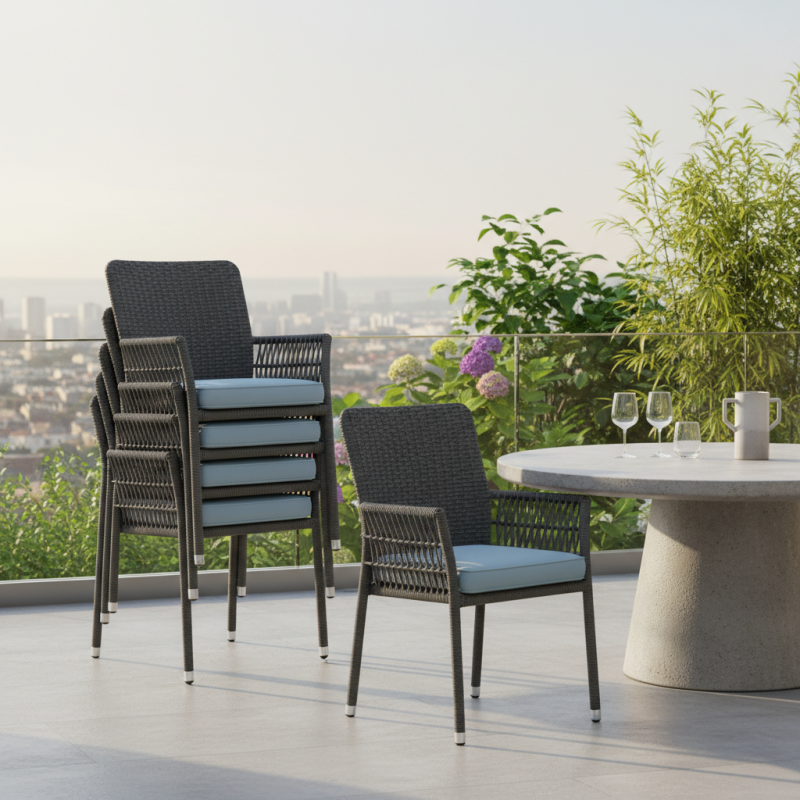
China's Leading Stackable Garden Chair Brands for Outdoor Spaces
When creating outdoor spaces, stackable garden chairs are essential. They provide flexibility and space-saving solutions for various settings. Brands in China are particularly recognized for their innovation in design and functionality. According to industry reports, the demand for outdoor furniture grew by over 15% in recent years. This trend shows the increasing importance of comfortable and versatile seating.
Many manufacturers focus on materials that withstand environmental conditions. High-quality plastics and durable metals are popular choices. Consumers prefer lightweight options for easy mobility. Efficient production techniques have led to reduced costs, making these products accessible. However, some designs may lack comfort, indicating room for improvement. Reports suggest that 25% of users prioritize comfort over aesthetics, revealing a need for a balance.
Additionally, sustainability in manufacturing is gaining traction. More brands are exploring eco-friendly materials. This approach meets consumer demand for greener options. The industry is visually appealing but requires ongoing reflection on usability and comfort. By concentrating on these aspects, manufacturers can better serve outdoor enthusiasts. The market remains competitive, driving continuous innovation.
China Top Stackable Garden Chairs for Your Outdoor Space
| Model |
Material |
Weight Capacity (kg) |
Stackable Height (cm) |
Color Options |
Price (USD) |
| Classic Stack Chair |
Plastic |
120 |
50 |
Red, Blue, Green |
35.00 |
| Modern Comfort Chair |
Metal |
150 |
45 |
Black, White |
55.00 |
| Eco-Friendly Stackable Chair |
Bamboo |
100 |
48 |
Natural, Stained |
45.00 |
| Foldable Patio Chair |
Aluminum |
130 |
52 |
Grey, Brown |
60.00 |
| Vintage Style Chair |
Wrought Iron |
150 |
46 |
Aged White, Antique Black |
75.00 |
Key Features and Benefits of Stackable Garden Chairs in China
Stackable garden chairs have gained popularity in China for their practicality and design. They are not just space savers but also versatile in various outdoor settings. A study by the China Furniture Association indicates that the demand for stackable outdoor furniture has increased by 25% over the past three years. The chairs are designed to be lightweight, making them easy to move and rearrange for different occasions.
One significant feature of stackable garden chairs is their durability. Many manufacturers use high-quality materials like aluminum and weather-resistant fabrics. These materials can withstand harsh climates, ensuring a longer lifespan. Data from the Outdoor Furniture Industry Report shows that over 70% of consumers prioritize durability when purchasing outdoor furniture. However, while the lightweight nature is beneficial, it occasionally raises concerns about stability in windy conditions.
Another key benefit is the aesthetic flexibility they offer. Stackable garden chairs come in various designs, colors, and textures, allowing for easy customization of outdoor spaces. A survey revealed that 60% of respondents consider the visual appeal of furniture a primary factor when making a purchase. Nevertheless, some designs may sacrifice comfort for style, leading to a trade-off that buyers should consider.
Top Features of Stackable Garden Chairs in China
Market Trends: The Popularity of Stackable Chairs in Outdoor Furniture
Stackable chairs have gained immense popularity in outdoor furniture, especially in China. Their design offers convenience, as they can be easily stored when not in use. This makes them ideal for small balconies and patios. Homeowners love the versatility these chairs bring to their outdoor spaces. They blend seamlessly with various decor styles.
The outdoor furniture market has seen a shift towards multifunctional pieces. Many consumers seek practicality without sacrificing style. Stackable chairs fit this need perfectly, providing both comfort and aesthetic appeal. They are often lightweight, making them easy to move around. However, this raises questions about durability. While many are built to last, some may fall short, especially when exposed to harsh weather.
A noticeable trend is the focus on sustainable materials. Many brands are now utilizing eco-friendly options for these chairs. This reflects a growing consumer awareness about the environment. Yet, finding a balance between sustainability and affordability is challenging. Not all stackable chairs meet high standards, leading to potential disappointments. Shoppers should be diligent and check product reviews.
Comparative Analysis of Materials Used in Chinese Stackable Chairs
When considering stackable garden chairs, material selection plays a vital role in durability and comfort. Common materials include aluminum, resin, and wood.
Aluminum chairs are lightweight and resistant to rust, making them ideal for outdoor use. Industry reports indicate that over 60% of consumers prioritize weather-resistant materials. However, they may lack the warmth of traditional wood.
Resin chairs, on the other hand, offer impressive versatility. They imitate wood while providing excellent resistance to UV light and moisture. This can be beneficial, as studies show that UV exposure can degrade outdoor furniture significantly over time. Yet, some consumers express concerns about the potential for fading over years. According to market analysis, 30% of buyers favor aesthetics over durability, showing a need for balance.
Wooden chairs bring a classic feel but often require maintenance. They can last long with proper care. Research highlights that untreated wood can lead to rot and insect damage. Interestingly, while some users appreciate the natural aesthetic, they must contend with the heavier weight and the need for seasonal storage. This reveals the complexity of material choices in stackable chairs.
Consumer Insights: Preferences and Price Ranges for Garden Chairs in 2023
When it comes to choosing garden chairs for your outdoor space, consumer preferences in 2023 have shifted. Many individuals seek chairs that combine comfort with functionality. Stackable designs are particularly popular, allowing for easy storage. Consumers often report a need for durability and easy maintenance.
Price ranges for these chairs vary widely. Budget-friendly options can start as low as $30, while premium models may cost over $150. Buyers often express confusion about what justifies price differences. Some expensive chairs may not meet expectations regarding comfort. This raises questions about the balance between cost and quality.
Many consumers also prioritize style. They want chairs that enhance the aesthetic of their garden or patio. However, there is often a gap between what looks good and what feels good. This discrepancy can lead to dissatisfaction. It’s crucial to test a chair before purchasing. Whether it’s feeling the material or sitting in it for a moment, personal experience plays a vital role in the decision-making process.
FAQS
: They save space and offer flexibility in various settings. Their design attracts consumers seeking versatility.
Common materials include aluminum, resin, and wood. Each has distinct advantages and drawbacks.
Aluminum chairs are lightweight and rust-resistant. They're ideal for outdoor use and easy to move around.
Yes, resin chairs imitate wood and resist UV light and moisture. However, they might fade over time.
Wooden chairs require maintenance and can be heavy. They also risk rot and insect damage without care.
Many users value comfort over looks. About 25% prefer comfort, highlighting a need for balance in designs.
Brands are increasingly using eco-friendly materials. This trend meets consumer demand for sustainable products.
Material affects durability, comfort, and usability. It's crucial to choose wisely according to individual needs.
Some designs lack comfort despite being visually appealing. This indicates a need for thoughtful improvement.
The market's competitive nature drives innovation in design and functionality. Manufacturers must continuously adapt to consumer needs.
Conclusion
In recent years, stackable garden chairs have gained significant popularity in China's outdoor furniture market, catering to the growing demand for both functionality and style in outdoor spaces. These chairs are not only space-saving but also come with various key features such as weather resistance, lightweight design, and ease of storage, making them ideal for both residential and commercial use.
A comparative analysis of materials used in these chairs reveals a trend towards durable and eco-friendly options, enhancing their appeal to environmentally conscious consumers. Insights into consumer preferences indicate a wide range of price points, allowing for greater accessibility while meeting diverse tastes and requirements. Overall, the rise of stackable garden chairs in China reflects broader market trends that prioritize versatility and convenience in outdoor furnishings.

 GIVANI Furniture