10 Best Ways to Waterproof Canvas Outdoor Cushions at Home?

Time:2026-06-13 Author:Oliver
0%

Canvas outdoor cushions enhance comfort and aesthetics. However, without proper protection, they can succumb to moisture damage. The American Home Furnishings Alliance found that nearly 30% of consumers experience issues with water damage on outdoor fabrics. This statistic highlights the importance of learning how to waterproof canvas outdoor cushions at home.

DIY waterproofing methods not only save money but also extend the life of your cushions. Industry experts emphasize that applying a high-quality waterproofing spray can create a barrier against water. But is it enough? Many products on the market promise waterproof capabilities, yet effectiveness can vary widely. Homeowners must assess the reliability of their chosen methods.

Investing time to waterproof outdoor cushions can yield substantial benefits. Protecting your cushions from the elements ensures they remain functional and visually appealing. However, it is important to recognize that even well-coated cushions may require periodic maintenance. This initiative could seem daunting, yet with the right techniques, you can successfully enhance your cushions’ longevity. Understanding how to waterproof canvas outdoor cushions at home is essential for a lasting outdoor experience.
10 Best Ways to Waterproof Canvas Outdoor Cushions at Home?

Best Waterproofing Products for Outdoor Cushions: A Comprehensive Guide

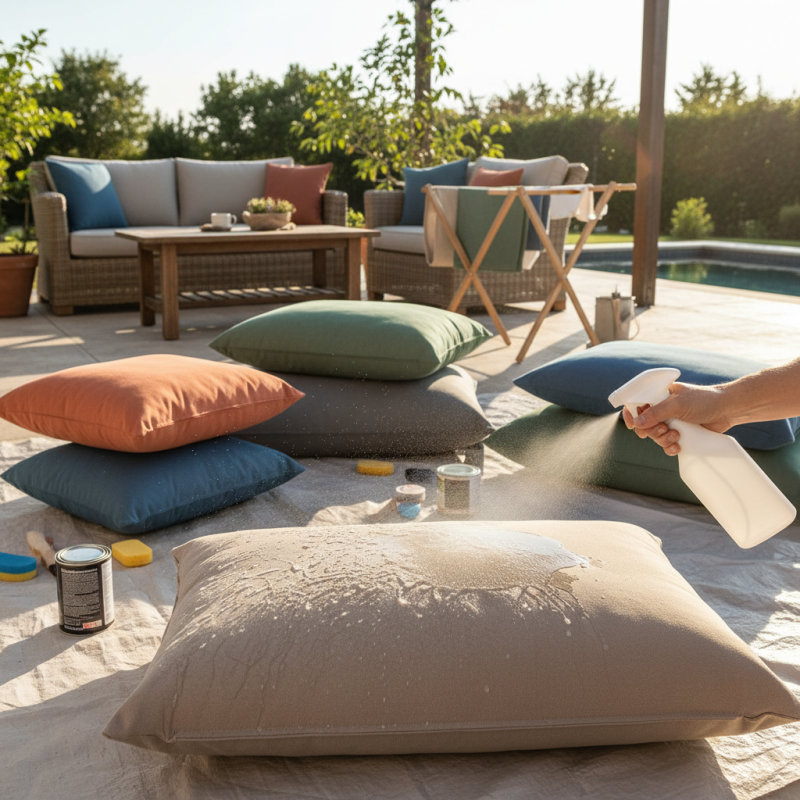
When it comes to protecting canvas outdoor cushions, the right waterproofing products make all the difference. Look for sprays specifically designed for outdoor fabrics. These sprays should form a barrier against moisture while allowing breathability. A well-chosen product can significantly extend the life of your cushions.

Consider the application method. Some products require multiple coats for maximum effectiveness. Ensure you apply them in a well-ventilated area, and allow plenty of time for drying. Even small errors in application can lead to reduced effectiveness. Pay attention to seams and edges where water can seep in.

Testing a small area first is a smart approach. This helps ensure compatibility and allows you to see how the fabric reacts. An unexpected color change can be frustrating. Be prepared for the possibility that results may vary. Regular reapplication is key, especially after heavy rainfall. Keeping cushions dry boosts comfort and longevity.

Analyzing the Impact of Moisture on Canvas Durability and Longevity

Moisture can significantly impact the durability of canvas outdoor cushions. Over time, water exposure leads to mold, mildew, and deterioration. These issues compromise the fabric’s integrity and appearance. Regular cleaning and proper waterproofing can extend the life of your cushions significantly.

One effective method for waterproofing involves using a spray-on fabric protector. This creates a barrier against moisture. Always test a small area first. To maintain the cushions, store them indoors during heavy rain or snowfall. This reduces direct exposure to moisture.

Drying thoroughly after cleaning is crucial. Even slightly damp cushions can harbor mildew. Consider adding a layer of waterproof covers. They provide another layer of defense. Such steps ensure your outdoor cushions stay vibrant and last longer despite the elements.

Moisture Impact on Canvas Durability and Waterproofing Methods

Step-by-Step Procedures for Waterproofing with Common Household Items

Waterproofing canvas outdoor cushions is essential for prolonging their life. Fortunately, you can do this at home using common household items. Start with a clean surface. Brush off any dirt and debris. If cushions are particularly dirty, wash them with mild soap and water. Allow them to dry completely before proceeding.

Next, create a waterproofing solution. Mix equal parts of white vinegar and water in a spray bottle. This combination not only repels water but also helps to mold resistance. Spray the solution evenly over the cushions, ensuring complete coverage. Let it soak for about 30 minutes, then wipe away any excess with a clean cloth.

If you seek an alternative method, consider using beeswax. Shave some beeswax and melt it down. Apply the melted wax to the canvas using a cloth or brush. Make sure to cover all areas, focusing on seams and edges, as these are most vulnerable. After application, let the wax cool and harden. Test the waterproofing by pouring a small amount of water on the cushions; it should bead up. Remember, achieving perfect results may take practice, so don’t be discouraged if it doesn’t work perfectly the first time.

Professional Tips on Maintaining Waterproof Seal for Outdoor Cushions

When it comes to outdoor cushions, maintaining a waterproof seal is essential. This ensures your cushions remain protected against moisture and weather elements. Here are professional tips to help you achieve that.

One effective method is to use a waterproofing spray specifically designed for fabrics. Apply it in a well-ventilated area, keeping the spray at least six inches from the fabric. This creates an even coat, ensuring better protection. It's best to let the cushions dry completely before exposure to rain. Reapply the spray every few months, especially if your cushions are exposed to heavy rain or sun.

Cleaning your cushions regularly is another key to maintaining their waterproof integrity. Dirt and grime can degrade the waterproof coating over time. Use a mild detergent and soft brush to gently scrub the surface. Rinse thoroughly to remove soap residue. Remember to let them air dry completely before storing.

If you notice any damaged seams, don’t ignore them. These small tears can let water seep in. A simple needle and thread can fix minor issues. For larger repairs, consider using fabric patches for longevity. Regularly inspect your cushions; small efforts now can prevent bigger problems later.

Evaluating Different Methods: Spray vs. Wash-In Waterproofing Solutions

When considering waterproofing options for outdoor cushions, two primary methods stand out: spray-on and wash-in solutions. Spray-on waterproofing offers convenience. It's easy to apply and dries quickly, sealing the fabric surface. Many users appreciate the immediate protection it provides. However, it often requires reapplication after multiple exposures to rain.

On the other hand, wash-in methods promise deeper penetration into the fabric. According to a study by the Textile Research Institute, wash-in solutions enhance fabric breathability while maintaining waterproof qualities. These treatments can withstand more washes, making them more appealing for long-term use. Yet, they may not cover the fabric surface as comprehensively as sprays, and not all fabrics respond well to this treatment.

Both options have their pros and cons. Environmental concerns also arise. Many waterproofing sprays contain chemicals that may be harmful to aquatic life. Thus, choosing a product with eco-friendly ingredients becomes vital. Ultimately, understanding these methods helps in making informed choices. Each method holds potential pitfalls that require careful consideration.

FAQS

: How can I maintain a waterproof seal on my outdoor cushions?

: Use a waterproofing spray designed for fabrics. Apply it in a well-ventilated area. Reapply every few months.

How often should I clean my outdoor cushions?

Clean them regularly to prevent dirt buildup. Use mild detergent and rinse thoroughly. Allow full air drying before storing.

What should I do if I find damaged seams on my cushions?

Don’t ignore small tears. Use a needle and thread for minor fixes. Consider fabric patches for larger repairs.

Is there a difference between spray-on and wash-in waterproofing solutions?

Yes, spray-on is easy and quick to apply. Wash-in penetrates deeper but may not cover as well.

How long does the waterproofing effect last?

Spray-on solutions often require reapplication after rain. Wash-in options last longer but still need periodic checks.

Are there environmental concerns with waterproofing sprays?

Yes, many sprays contain harmful chemicals. Choose eco-friendly options to minimize impact on aquatic life.

Can I use any fabric for waterproofing treatments?

Not all fabrics respond well. Check compatibility with the treatment before applying.

What if I forget to dry my cushions after cleaning?

This can lead to mold. Always ensure they are completely dry before storage to prevent damage.

Is it necessary to reapply waterproofing if cushions are not used often?

It's wise to reapply periodically, even without frequent use, to maintain protection against moisture.

Are there any quick fixes for worn waterproof coatings?

Using a spray can give a quick boost, but deeper treatments may be needed for lasting effects.

Conclusion

In the quest for learning how to waterproof canvas outdoor cushions at home, understanding the best waterproofing products and their impact on durability is essential. The article outlines a comprehensive guide, beginning with a review of effective waterproofing solutions that can be readily found. It emphasizes the importance of moisture control to ensure the longevity of canvas materials, considering factors that lead to wear and tear.

The discussion progresses into practical step-by-step procedures utilizing common household items for a DIY waterproofing approach. Additionally, it offers professional tips for maintaining the waterproof seal, ensuring that your cushions remain protected over time. Lastly, the article analyzes various methods, comparing spray and wash-in solutions, to help readers make informed decisions on the most suitable waterproofing technique for their needs.

Oliver

Oliver

Oliver is a seasoned marketing professional with a wealth of expertise in driving brand awareness and engagement. With a deep understanding of our company's product offerings, he consistently delivers high-quality content that enriches our professional blog. His insights not only shed light on......