Storing patio furniture can be challenging, particularly for those without a garage. Increasing numbers of homeowners, about 33% according to a recent survey, lack adequate indoor storage solutions. This raises a pressing need for effective methods. How to store patio furniture without a garage?
Expert Mary Hutchinson from Outdoor Living Solutions emphasizes, “Protecting furniture from the elements can extend its lifespan significantly.” Her insights resonate as many individuals face weather-related damage to their outdoor pieces. Without a garage, opting for storage sheds, weather-resistant covers, or even creative indoor solutions like utilizing closets or spare rooms might be necessary.
Moreover, a study by the American Home Furnishings Alliance found that proper maintenance could prolong outdoor furniture life by 10 years. Yet, many fail to implement suitable storage measures. Reflecting on this, it becomes clear that storing patio furniture without a garage requires foresight and creativity. Taking the right steps can save money in the long run and enhance the enjoyment of outdoor spaces.
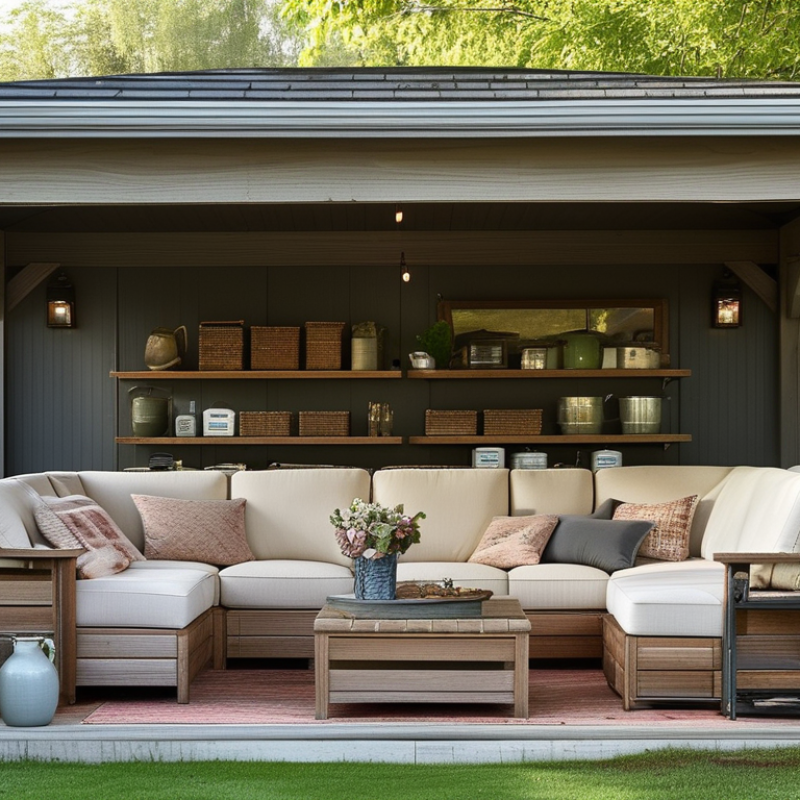
Choosing the Right Storage Location for Patio Furniture
When storing patio furniture without a garage, selecting the right location is crucial. Ideally, opt for a shaded area to protect your furniture from the sun's harmful UV rays. According to a report from the American Society for Testing and Materials, UV exposure can degrade outdoor furniture, leading to discoloration and material damage over time.
Consider investing in high-quality outdoor storage solutions. Using weather-resistant tarps or storage sheds can shield your furniture from rain and snow. If possible, elevate items off the ground to prevent moisture absorption. This simple step can significantly extend the life of your patio investments.
Tips: Before storing, clean your furniture thoroughly. Residue can cause damage over time. Also, avoid tightly packing furniture; it may trap moisture and create mold. Lastly, regularly check your storage area. Address any leaks or pests promptly to ensure the safety of your patio gear.
Using Weather-Resistant Covers for Outdoor Furniture Protection
Weather-resistant covers play a vital role in extending the lifespan of patio furniture. A recent study found that outdoor furniture can degrade significantly without proper protection, with exposure to moisture and UV rays leading to at least a 30% reduction in durability. Investing in high-quality covers helps shield furniture from elements like rain, sun, and snow, which can cause fading, rust, and mold.
Choosing the right covers is essential. Look for materials that are breathable yet waterproof, as they prevent moisture buildup. According to experts, polyester and nylon blends tend to offer the best protection while maintaining durability. Covers should fit snugly to avoid wind exposure, which can lead to tearing. Regular maintenance, such as cleaning covers and checking for wear, ensures they continue to offer protection.
Despite the benefits of weather-resistant covers, some people overlook their importance. A survey indicated that only 40% of outdoor furniture owners use covers consistently. This neglect can lead to expensive repairs or replacements. It’s crucial for owners to reassess their storage and protection strategies, especially in regions with severe weather conditions. Making small changes now can lead to significant savings in the long run.
Organizing Storage Solutions: Racks, Shelves, and Bins
Storing patio furniture without a garage can be a challenge. Understanding the best solutions is essential for keeping your items safe and functional. Utilizing racks, shelves, and bins can maximize your space. According to a recent industry report, organized storage can increase space efficiency by up to 30%. This reveals the importance of proper organization.
Racks and shelves provide a sturdy foundation for your patio furniture. Wall-mounted racks can hold lightweight chairs or cushions. Meanwhile, shelves can store smaller items, such as tools or plants. Consider climate when storing your furniture; moisture can lead to mold. Ensure your outdoor cushions are in waterproof bins.
Tips: Always clean your furniture before storage. Dust and dirt can damage finishes over time. Group similar items together. This will help streamline your organization later. If space is tight, look for versatile storage solutions that can be used indoors as well. Choose bins in different sizes to accommodate various items.
Best Ways to Store Patio Furniture Without a Garage
| Storage Solution |
Advantages |
Disadvantages |
Best For |
| Outdoor Storage Bench |
Double as seating, weather-resistant |
Limited storage capacity |
Small patios, decks |
| Storage Shed |
Ample space, secure storage |
Requires significant space, possible assembly |
Most patio sizes |
| Racks and Shelves |
Organizes smaller items, easy access |
Not suitable for large furniture |
Accessories and smaller items |
| Bungee Cords/Tarps |
Cost-effective, easy to set up |
Less protection from elements |
Temporary storage solutions |
| Under the Deck |
Utilizes often wasted space |
Limited access |
Homes with raised decks |
Innovative Ideas for Vertical Storage of Patio Furniture
Vertical storage is a game changer for storing patio furniture, especially without a garage. Many homeowners face space constraints, so maximizing vertical space becomes essential. A 2022 storage solutions report indicated that utilizing vertical storage can increase available space by up to 30%. This approach not only helps in optimizing space but reduces wear and tear on your furniture.
Consider using wall-mounted racks to store items like chairs and cushions. These racks can hold multiple pieces, keeping them off the ground. Make sure to select materials that are weather-resistant and sturdy. If space is limited, over-the-door storage hooks can work wonders for smaller items like pillows or small tables. According to storage experts, this method not only organizes but also protects your furniture from harsh elements.
Creative solutions like vertical planters also double as storage for lighter items. You can place indoor-outdoor cushions or garden decor in these planters while still achieving an attractive look. Evaluate your current storage space frequently. It may not always be perfect, and adjustments might be necessary as seasons change. With a little innovation, you can keep your patio furniture safe and sound, even without a dedicated garage.
Seasonal Maintenance Tips Before Storing Outdoor Furniture
When preparing to store patio furniture, it's essential to undertake some seasonal maintenance. Start by cleaning each piece thoroughly. Use mild soap and water to remove dirt and grime. Pay attention to any cushions; check for mold or mildew. Sun exposure can degrade fabrics over time, so inspect them carefully.
After cleaning, dry everything completely. Moisture can lead to rust or decay. Consider using protective covers. They can shield your furniture from dust and debris. Even without a garage, keeping outdoor furniture safe is possible.
Tips: Apply a furniture polish to wooden pieces. This helps maintain their sheen and protects against cracks. For metal furniture, consider using a rust-resistant spray—it's an extra step worth the effort.
Don’t forget to check screws and joints. Tightening loose parts can prevent future damage. Reassess your storage area—choose a dry, shaded spot if possible. Remember; outdoor furniture left unprotected faces a harsh environment. It's a small investment in time that pays off during the next season.
Best Ways to Store Patio Furniture Without a Garage
Conclusion
When considering "how to store patio furniture without a garage?", it's crucial to choose the right storage location. Look for sheltered areas like porches, patios, or sheds that can provide protection from the elements. Utilizing weather-resistant covers can further safeguard your furniture from moisture and UV damage. To maximize space, organizing your storage with racks, shelves, and bins can be beneficial, allowing for structured placement of your items.
Additionally, innovative vertical storage solutions can help save floor space while keeping your furniture readily accessible. Before storing, follow seasonal maintenance tips—such as cleaning and checking for any repairs needed—to ensure your outdoor furniture remains in good condition for future use. With these strategies, you can effectively store your patio furniture without needing a garage.

 GIVANI Furniture