Outdoor chair cushions are prone to mold growth, especially in humid climates. Mold can affect not only the aesthetics but also the durability of your cushions. According to a report by the American Institute for Cancer Research, mold exposure can lead to respiratory issues and other health concerns. Understanding how to clean mold off outdoor chair cushions is essential for maintaining a safe outdoor space.
Regular cleaning can significantly reduce mold presence. The Environmental Protection Agency (EPA) recommends keeping surfaces dry and well-ventilated. A study showed that over 20% of American households reported issues with mold, underscoring the importance of effective cleaning methods. Addressing this problem promptly helps preserve the longevity of your outdoor furniture.
Learning the best strategies to combat mold can feel overwhelming, but it’s achievable. Simple household items can be quite effective. However, many struggle with stubborn mold stains. Experimentation with different techniques is often necessary. This article will explore various methods to help you tackle mold on these crucial outdoor accessories.
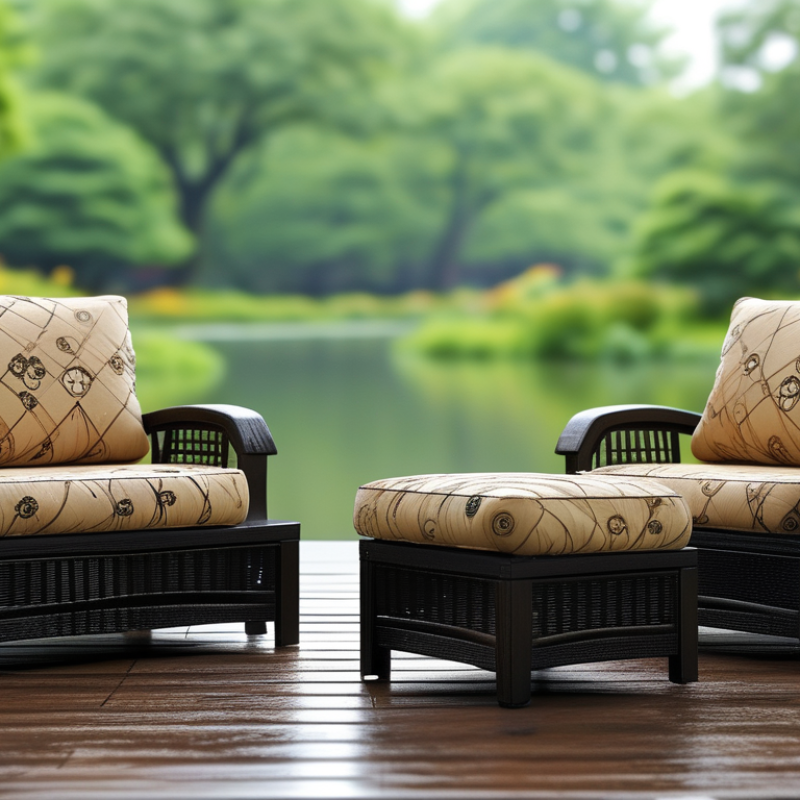
When it comes to cleaning mold off outdoor chair cushions, choosing the right cleaning solution is key. Many homeowners often overlook the impact of environmentally friendly options. A vinegar solution, for instance, can effectively kill mold spores.
Mix equal parts of water and vinegar in a spray bottle. Spray the affected areas and let it sit for at least 30 minutes. This method is gentle yet powerful against mold.
Another option is baking soda mixed with water. This creates a paste that can be applied directly to the moldy areas. Baking soda not only cleans but also deodorizes. After applying the paste, scrub gently with a soft brush. Rinse thoroughly and allow the cushions to dry completely in sunlight. Sunlight acts as a natural disinfectant and helps to prevent future mold growth.
While these solutions are effective, results may vary based on the severity of mold. Some might find that stubborn mold requires multiple treatments. It's essential to be patient with the process. If damage to the cushions is extensive, replacement might be more economical in the long run. Always remember to test a small, inconspicuous area first to avoid any unwanted discoloration.
Preparing outdoor chair cushions for cleaning is crucial to maintaining their longevity. Mold thrives on damp surfaces. Before you clean, inspect your cushions for visible mold and mildew. This helps you determine the right cleaning method. According to the Centers for Disease Control and Prevention, mold can cause health issues like respiratory problems. It’s vital to handle your cushions carefully.
Start by removing the cushions from your chairs. Shake them out to eliminate loose dirt and debris. A soft brush can help with stubborn particles. Next, you'll want to prepare a cleaning solution. Use warm water and mild soap. Avoid harsh chemicals that can damage the fabric. It’s a common mistake to skip this step, thinking that water alone is enough. This can lead to further mold growth.
After your cushions are dry, assess them again. If mold remains, reconsider your cleaning technique. It’s essential to ensure they dry completely before storage. Even a slight dampness can encourage future mold problems. Finally, consider a protective spray designed for fabric. It won’t eliminate mold but can help resist future growth. Being proactive with maintenance can save time and money down the line.
Mold can transform beautiful outdoor cushions into unsightly eyesores. Knowing the right steps to remove it can greatly enhance the lifespan of your cushions. Start by gathering your supplies: a brush, white vinegar, and warm water. Ensure you wear gloves and a mask to protect yourself while cleaning.
Begin outdoors on a dry day. Take your brush and gently scrub the moldy spots. It’s crucial to avoid damaging the fabric. Afterward, mix equal parts of white vinegar and warm water in a spray bottle. Spray the affected areas thoroughly, allowing the solution to sit for 15 to 30 minutes. This step is vital for breaking down the mold. Rinse off the cushions with clean water, ensuring all residues are washed away.
Though these steps are effective, results can vary based on fabric type and mold extent. Some may require multiple cleaning sessions for complete removal. If stubborn stains remain, it may be time to reassess your cleaning approach. Consulting a professional can provide insights that home remedies might miss. Embrace the journey of trial and error as you seek optimal results for your outdoor cushions.
Outdoor chair cushions are prone to mold growth due to moisture and humidity. To prevent mold from taking hold, proactive measures are essential. Studies show that keeping outdoor cushions dry can reduce mold exposure by 90%. Regular maintenance plays a crucial role in this process.
One effective tip is to store cushions in a dry place when not in use. Even cover materials allow moisture to seep in. Ensure cushions are completely dry before storing them. Use breathable cotton covers instead of plastic. This helps airflow while keeping cushions protected. Another suggestion is to elevate the cushions off the ground. This allows air circulation, preventing moisture accumulation beneath them.
Implementing a routine cleaning schedule can help significantly. Use a mild solution of vinegar and water to wipe down cushions weekly. This simple step not only cleans but also deters mold spores. Be sure to inspect for any signs of mildew regularly. Prompt action on small stains can prevent larger issues down the line. Even with the best preventive measures, mold can still appear. Quickly addressing these spots is vital, as mold can spread rapidly in a damp environment.
Outdoor chair cushions are a great addition to any patio. However, without proper maintenance, they can quickly become a breeding ground for mold and mildew. Keeping them clean and dry is essential. Regularly shaking off dirt and debris can help maintain their condition. It is also wise to store them in a dry place when not in use.
For more comprehensive care, consider using water-resistant covers. This can prevent moisture build-up. When cleaning, a simple solution of vinegar and water is effective against mold. Apply it with a soft brush and rinse thoroughly. Always ensure the cushions dry completely in the sun. Sunlight acts as a natural disinfectant, helping to eliminate any remaining spores.
Sometimes, despite our best efforts, mildew may still appear. It's frustrating but not uncommon. Reflect on your cleaning routine and adjust as needed. You might find that a stricter drying method is necessary or that different cleaning agents work better for your cushions. Remember that maintenance is an ongoing process; even small actions can make a big difference over time.
: Use a mixture of equal parts vinegar and water in a spray bottle. Spray areas with mold and let it sit.
Stubborn mold may require multiple treatments. Be patient and consider changing your approach if needed.
Yes, shaking off dirt and debris is crucial. It helps choose the right cleaning solution and improve results.
Avoid harsh chemicals. They can damage the fabric and may lead to further mold growth.
Very important. Even slight dampness can encourage future mold problems. Ensure complete drying before storage.
Yes, consider using a protective spray for fabric. It won't eliminate mold but helps resist future growth.
Examine the extent of the damage. If it’s extensive, replacing the cushions may be more economical over time.
Yes, wearing gloves and a mask is recommended to protect yourself during the cleaning process.
Yes, drying cushions in sunlight acts as a natural disinfectant and can help prevent future mold growth.
Cleaning mold off outdoor chair cushions can be a straightforward task if approached correctly. Begin by choosing the right cleaning solution specifically designed for mold removal. Prepare your cushions by shaking off any loose debris and pre-treating stained areas. Follow a step-by-step guide: apply your chosen solution, scrub gently, rinse thoroughly, and allow the cushions to dry completely in the sun.
To prevent future mold growth, adopt preventive measures such as storing cushions indoors during harsh weather and using covers when not in use. Regular maintenance, including occasional cleaning and ensuring proper airflow, can significantly extend the life of your outdoor chair cushions. By following these techniques, you'll know exactly how to clean mold off outdoor chair cushions and keep them looking fresh.

GIVANI Furniture