10 Best Ways to Keep Outdoor Furniture From Blowing Away?

Time:2026-08-01 Author:Ethan
0%

Outdoor furniture can be both a blessing and a burden. When the wind picks up, it can quickly turn your lovely patio into a chaotic mess. Many people ask, "How to stop outdoor furniture from blowing away in the wind?" This concern is especially relevant for those living in regions with unpredictable weather.

For starters, think about the materials of your furniture. Heavier materials tend to stay put, while lighter ones are more prone to being tossed around. Adding weights or securing furniture can be essential. There are various strategies to anchor down your outdoor pieces effectively. Each method has its pros and cons, reflecting personal preferences.

It's crucial to assess the available options and see what aligns with your outdoor space. Sometimes, a simple solution might work better than an elaborate fix. Tightening patio furniture covers can also be helpful, but remember that they may not be foolproof. In this exploration, we will highlight the best ways to keep your outdoor furniture safe from strong winds, ensuring your space remains inviting and functional.
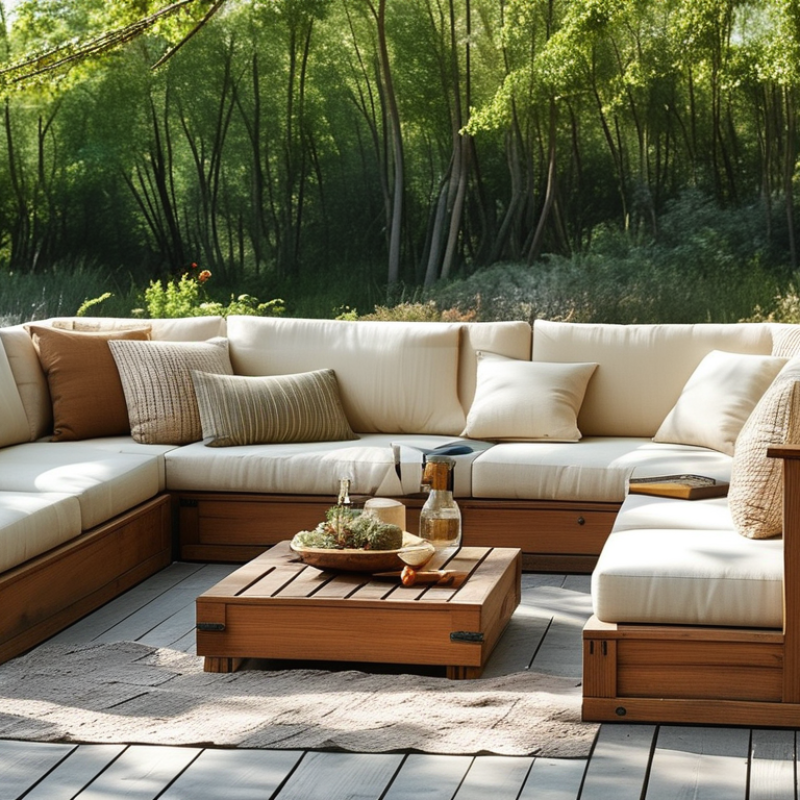
10 Best Ways to Keep Outdoor Furniture From Blowing Away?

Selecting Durable Materials for Outdoor Furniture to Withstand Winds

When selecting outdoor furniture, the choice of materials is crucial. High winds can easily turn lightweight items into projectiles. Reports indicate that 70% of outdoor furniture is at risk of wind damage. Aluminum, for instance, is known for its lightweight but durable properties. It can withstand harsh elements while remaining manageable for relocation. However, aluminum may not be heavy enough to resist strong gusts entirely.

Another popular option is teak wood. Studies show that teak can withstand both moisture and wind without warping. Its density offers additional weight, enhancing stability. Teak furniture can last for decades, but it requires periodic maintenance. Neglecting this can lead to deterioration under extreme weather conditions. Manufacturers recommend applying oil every six months to maintain its integrity and appearance.

Resin wicker is another material worth considering. It mimics traditional wicker while being more resilient to outdoor conditions. This synthetic option resists fading and cracking. However, not all resin furniture can withstand strong winds without proper anchoring or weighing down. Achieving the perfect balance between strength and flexibility can be challenging. It’s essential to choose well-reviewed products backed by performance testing results.

10 Best Ways to Keep Outdoor Furniture From Blowing Away

This chart illustrates the effectiveness of various methods to keep outdoor furniture from blowing away, rated on a scale of 1 to 10. Choosing durable materials is among the top methods, while regular maintenance may have a lower perceived effectiveness.

Understanding Wind Speed and Its Impact on Outdoor Furniture Stability

Wind can be a formidable force, especially for outdoor furniture. Understanding wind speed and its effects is critical for ensuring stability. Wind speeds can vary, often influenced by geographical features. For instance, areas near water tend to experience stronger gusts, which can easily lift lightweight furniture. Observing your local wind patterns can inform your choices regarding outdoor setups.

In windy conditions, securing furniture is essential. Consider using weights, decorative stones, or anchors to prevent movement. While aesthetics matter, functionality should not be overlooked. Lightweight items may be visually appealing but often lack the sturdiness needed. Reflecting on your outdoor space is vital. What works for calm days may not suffice during a storm. Embrace solutions that adapt to changing weather, prioritizing both style and safety.

Utilizing Weights and Anchors to Secure Outdoor Furniture Effectively

Outdoor furniture can easily become airborne during strong winds. To prevent this, using weights and anchors is essential. A solid method involves securing each piece with weighted alternatives. Sandbags work surprisingly well. They come in various weights and can blend with your garden decor. Placing these strategically around your furniture adds stability.

Anchors provide additional security for your outdoor space. Ground anchors are particularly effective. They help keep furniture in place during storms. You can install these in the earth beneath a table or chair. Ensure they fit snugly for maximum grip. Choosing the right type of anchor matters. Look for ones designed for outdoor use to enhance durability.

While weights and anchors are effective, they can sometimes require maintenance. Weights may shift or become less effective over time. Regularly checking and adjusting your setup is crucial. This helps maintain the balance needed to withstand strong winds. A little effort can lead to significantly improved security for your outdoor furniture.

Implementing Creative Design Solutions to Minimize Wind Resistance

When designing outdoor spaces, wind resistance is a crucial factor. A well-thought-out design can minimize the risk of furniture being blown away. Designing with lower profiles can help. Use furniture that sits closer to the ground. This reduces the wind's ability to catch and lift it. Consider how your layout influences airflow. Placing furniture in sheltered areas can be effective. Natural barriers like hedges or walls offer protection from strong gusts.

Another creative approach is to integrate heavier materials into your furniture design. Opt for options that are naturally weighty, or add weight to your existing pieces. Decorative stones or sand-filled bases can enhance stability without sacrificing aesthetics. Additionally, using vibrant colors and textures can make your furniture visually appealing while remaining grounded in functionality.

Fabrics also play a significant role. Choose tight-weave fabrics that allow for airflow but resist flapping. Weighing down cushions with hidden weights can prevent them from being swept away. Regularly assessing your arrangement can further invite reflection. You may need to adjust after a storm or strong winds. Keeping track of weather patterns and chair positioning can lead to better choices over time. Prioritizing both design and stability will create a delightful outdoor environment.

Choosing the Right Location for Outdoor Furniture to Enhance Stability

Selecting the right location for outdoor furniture is crucial for stability. Consider the surrounding environment. Avoid placing furniture near open spaces where wind can freely sweep through. An area shielded by trees or fencing can provide a buffer against strong gusts. Choose hard surfaces, such as patios or decks, for enhanced stability. Soft ground can allow furniture to sink or shift, which could lead to tipping over.

Pay attention to the layout of your outdoor space. Grouping furniture together can create a more cohesive look and help shield pieces from wind. This also encourages social gatherings. However, be cautious about overcrowding the area; too much furniture can disrupt airflow and create instability. It's important to strike the right balance for both aesthetics and functionality.

Geographical factors also play a role. If you live in a region with unpredictable weather, remember that furniture placement can significantly affect its longevity. Evaluate weather patterns before settling on a spot. Regularly reassess the location as seasons change. What works in summer may not be suitable in winter. Ensure that your choices align with your environment to maintain the integrity of your outdoor furniture.

FAQS

: Why is material selection important for outdoor furniture?

: Material selection is crucial because high winds can turn lightweight furniture into projectiles.

What is a good material choice for outdoor furniture?

Aluminum is lightweight and durable, but it may not resist strong gusts entirely.

How does teak wood perform under outdoor conditions?

Teak withstands moisture and wind well, but it requires regular maintenance to prevent deterioration.

What maintenance does teak furniture require?

It's recommended to apply oil every six months to maintain teak's integrity and appearance.

Why consider resin wicker for outdoor furniture?

Resin wicker mimics traditional wicker but is more resilient to outdoor conditions, resisting fading and cracking.

What can I do to secure lightweight furniture against wind?

Use weights, decorative stones, or anchors to prevent movement in windy conditions.

How can design help minimize wind resistance?

Designing lower-profile furniture and placing it in sheltered areas reduces wind's ability to lift it.

Are there creative methods to enhance furniture stability?

Adding weight to furniture or using heavier materials can improve stability without sacrificing style.

What fabric choice helps with outdoor furniture in windy weather?

Tight-weave fabrics allow airflow but resist flapping, keeping cushions secure.

How often should I reassess my outdoor furniture arrangement?

Regularly assess and adjust your arrangement after storms or strong winds for better stability.

Conclusion

When considering how to stop outdoor furniture from blowing away in the wind, it’s essential to select durable materials that can withstand harsh conditions. High-quality, heavy materials provide a sturdy foundation, while understanding wind speed helps determine the necessary measures for stability. Utilizing weights and anchors can effectively secure furniture, preventing it from toppling over during gusts.

Moreover, implementing creative design solutions, such as streamlined shapes, can minimize wind resistance, enhancing the furniture's ability to remain in place. Lastly, choosing the right location for outdoor seating—such as sheltered areas or corners—can significantly improve stability against blowing winds. By combining these strategies, you can enjoy your outdoor space without the worry of your furniture being swept away.

Ethan

Ethan

Ethan is a seasoned marketing professional with a deep expertise in our company's innovative product line. With a passion for sharing knowledge and insights, he takes the lead in regularly updating our corporate blog, where he explores industry trends, product features, and effective marketing......