When considering patio furniture for coastal areas, many wonder, "What is the best material for salt air patio furniture?" The challenge lies in selecting materials that withstand the unique effects of salt air, moisture, and varying temperatures. Coastal environments can be harsh. The salty air can corrode metals, while humidity can impact wood and fabrics.
Many people default to aluminum or teak. Aluminum is lightweight and resistant to rust. Teak, a fine choice, offers natural oils that repel water. However, both materials come with trade-offs. Aluminum can become hot in direct sunlight, while teak requires regular maintenance.
It's essential to weigh durability against aesthetics. Some may favor the elegance of wrought iron, yet it may rust without proper treatment. Synthetic resin wicker presents another option. It's stylish and can handle the elements, but quality varies widely. Understanding these materials ensures your patio remains inviting for years.
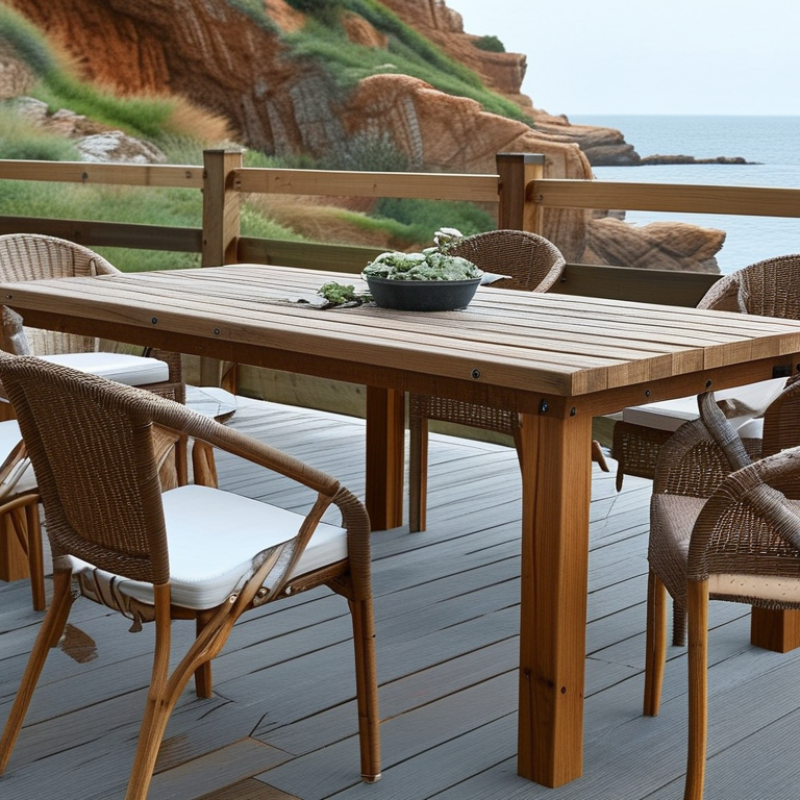
Best Materials for Salt Air Patio Furniture: An Overview of Options
When selecting materials for salt air patio furniture, durability is crucial. The seaside environment presents unique challenges. Salt air can cause corrosion and degradation over time. Therefore, the right material choice is essential for longevity and aesthetics.
Aluminum is a popular choice. It is lightweight, resistant to rust, and easy to maintain. This metal can withstand the elements without losing its charm. However, some aluminum furniture may require a protective finish to enhance durability.
Wood is another option, offering warmth and natural beauty. Teak is favored for its resistance to moisture and insects. Yet, it needs regular oiling to preserve its color and strength.
Consider synthetic options like high-density polyethylene (HDPE). This material mimics wood but requires very little maintenance. It can withstand harsh weather, making it a reliable choice. But, not everyone appreciates its artificial look. Reflect on your personal style and needs when making a decision. The right choice should balance aesthetics and functionality.
Corrosion Resistance: Understanding Material Durability Against Salt Air
Choosing patio furniture for coastal areas requires careful consideration due to salt air's corrosive nature. Many materials respond differently to salty environments. Stainless steel, aluminum, and wood are common choices. However, not all varieties are equally resistant. For example, 316-grade stainless steel offers superior resistance against corrosion compared to 304-grade. According to the National Association of Home Builders, aluminum is lightweight and resistant to rust, making it an ideal candidate for coastal locations.
When investing in patio furniture, consider the finish. Powder-coated aluminum generally holds up well against salt air. However, the coating can wear off, leading to rust over time. Wood, while aesthetically pleasing, may need regular sealing to prevent decay or warping. Acacia and teak woods are more resilient, but even they require ongoing maintenance.
Tips: Always inspect furniture regularly for signs of wear. Small scratches or chips can expose the material to the elements. Consider storing furniture during harsh weather to prolong its life. Additionally, choose covers that fit well and allow for ventilation, preventing moisture buildup.
Aluminum vs. Stainless Steel: A Comparative Analysis for Patio Furniture
When selecting patio furniture for salt air environments, choosing the right materials is crucial. Aluminum and stainless steel are two popular options, each with unique benefits and drawbacks. Aluminum is lightweight and rust-resistant, making it easy to move and maintain. It endures salty air fairly well, but it can corrode if scratched or damaged. In contrast, stainless steel offers high durability and a sleek appearance, but it can still rust if not properly cared for.
Studies show that aluminum furniture typically lasts 15-20 years, while stainless steel can last up to 30 years under optimal conditions. However, aluminum is generally more cost-effective. Both materials require different maintenance routines to effectively combat corrosion. A 2022 report indicated that regular cleaning with mild soap can greatly extend their lifespans.
Tip: Applying a protective coating on aluminum can enhance its resistance to salt air. For stainless steel, periodic polishing can help prevent rust. Remember, both materials have their vulnerabilities. Evaluate your environment before making a decision, ensuring you choose wisely for your patio setup.
Wood Choices: Teak and Other Timbers Resilient to Saltwater Environments
When selecting patio furniture for salt air environments, wood choices are paramount. Teak is often highlighted for its durability. Its natural oils create a protective barrier against saltwater. Studies indicate that teak wood can withstand humidity and coastal exposure effectively. It possesses a natural resistance to decay and insects as well, significantly extending its lifespan.
Other timbers, such as mahogany and ipe, also show resilience to saltwater. Mahogany has a rich, warm tone preferred for aesthetics. However, it demands more maintenance than teak. Ipe, known for its density, offers excellent durability. It can last over 50 years with proper care. Yet, its hardness can make it challenging to work with.
Choosing the right wood isn't just about looks or longevity. It also involves understanding how different woods behave in diverse climates. Environmental factors and usage play critical roles in performance. Balancing style, function, and resilience is key. Each wood option comes with strengths and weaknesses. It's essential to consider both the climate and individual needs before making a choice.
Synthetic Materials: The Role of HDPE and Resin in Coastal Furniture Design
Choosing the right materials for patio furniture in salt air environments can be challenging.
Synthetic materials like High-Density Polyethylene (HDPE) and resin have become popular for their durability and resistance.
According to industry reports, nearly 70% of coastal homeowners prefer these options due to their performance against corrosion and fading.
HDPE is known for its strong resistance to salt and UV rays, making it ideal for coastal areas. Studies indicate that HDPE can withstand harsher conditions than natural wood.
While wood offers aesthetic appeal, it requires frequent maintenance and has a shorter lifespan in salty environments. Resin, on the other hand, is lightweight yet sturdy.
It mimics the look of wicker without the risk of mold or rot. However, not all resin materials are created equal; some may degrade faster than others.
The design possibilities with these synthetic materials are vast. Colors and textures can be customized to suit any aesthetic.
However, it’s crucial to ensure you choose high-quality materials, as lower-grade options may suffer from fading or breakdown over time.
Research shows that consumers prioritize durability and style, yet many overlook the importance of consulting professional reviews before purchasing.
Select wisely to ensure your coastal patio furniture is both functional and visually appealing.
Conclusion
When considering outdoor furniture for coastal environments, the question arises: "What is the best material for salt air patio furniture?" The most suitable materials must exhibit resilience against the corrosive effects of salt air. This article provides an overview of various options, highlighting their durability and maintenance requirements.
Aluminum and stainless steel are often compared for their corrosion resistance, with aluminum being lighter and more affordable, while stainless steel offers additional strength but may require more upkeep. Additionally, hardy woods like teak stand out for their natural resistance to saltwater conditions. For those seeking synthetic choices, High-Density Polyethylene (HDPE) and resin materials provide excellent durability and are increasingly popular in coastal furniture design. Ultimately, selecting the right material depends on a balance between aesthetics, functionality, and environmental factors to ensure longevity in salt air environments.

 GIVANI Furniture