Outdoor cushions face more than occasional rain. Morning dew, spilled drinks, dusty patios, and strong sunlight can slowly weaken canvas fibers. In 2026, homeowners are looking for practical waterproofing methods that protect comfort without creating stiff, unattractive fabric. The right approach depends on the canvas weave, existing finish, cushion filling, and local weather conditions.
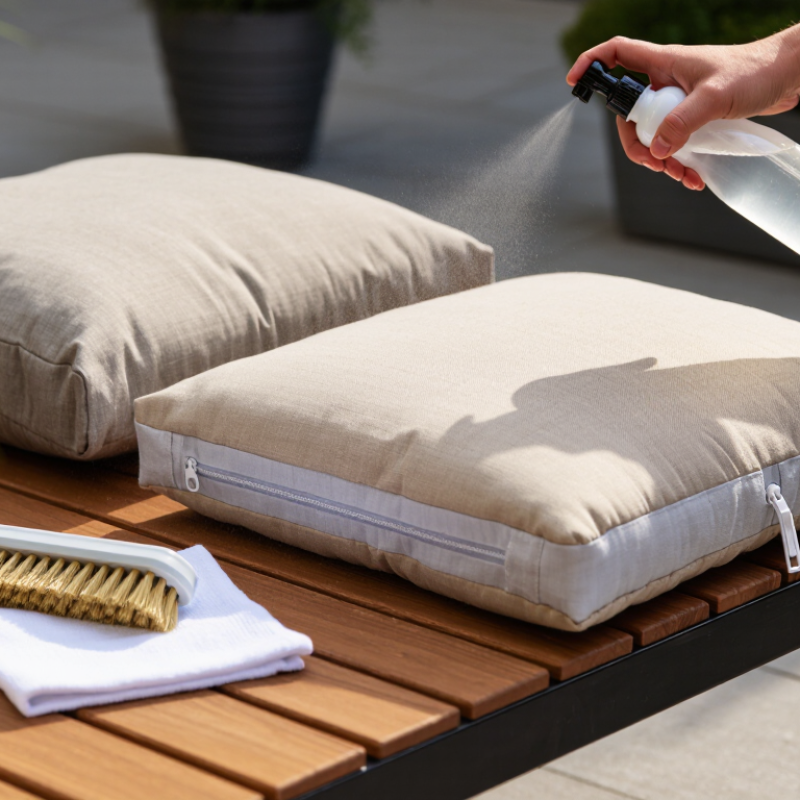
This guide explains How to waterproof canvas outdoor cushions at home? It covers fabric-safe waterproofing sprays, removable covers, seam sealing, drying methods, and basic maintenance. You will learn how to inspect the cushion before treatment, test products on hidden areas, and apply thin, even coats. A small spray bottle, soft brush, clean cloth, and ventilated workspace can make the process easier. Keep cushions completely dry before storage.
No method lasts forever. That matters.
Even a high-quality waterproofing product may wear away after repeated washing, intense sunlight, or heavy rain. Some treatments can darken light canvas or change its texture. A careful patch test prevents unpleasant surprises. Pay close attention to zippers and stitched seams, because water often enters through these weak points. Avoid sealing damp fabric, since trapped moisture can encourage mildew inside the cushion. This article focuses on realistic home techniques, sensible product selection, and regular inspection. It also acknowledges a common mistake: waterproofing the surface while ignoring the cushion’s underside. Good protection is not a single application. It is a simple routine supported by sound materials, patient preparation, and honest expectations.
Before choosing a waterproofing method, identify the cushion fabric. Cotton canvas absorbs water quickly and may need a breathable fabric protector. Polyester canvas usually resists moisture better, but its stitching can still leak. Acrylic canvas often dries faster and tolerates outdoor exposure well. Check the care label, then inspect the surface, seams, zipper, and underside. A simple water-drop test helps. If droplets darken the fabric, it needs more protection.
Clean the cushion first with mild soap and a soft brush. Let it dry completely, preferably in moving air rather than harsh heat. Test the waterproofing product on a hidden corner. Some treatments can change the color or make the fabric feel stiff. For untreated canvas, an even spray-on protector is usually practical. Apply several light coats instead of one heavy layer. Keep the nozzle moving. Avoid soaking the foam.
Pay close attention to seams and zipper areas. A fabric protector will not repair cracked stitching or open seams. For small gaps, use a suitable outdoor seam sealant after checking fabric compatibility. I once treated a cushion while it was slightly damp, and the finish became uneven. That mistake taught me to wait longer than expected. Waterproofing also reduces breathability, so the cushion still needs regular drying after rain. Store it under cover during prolonged storms.
2026 Top Ways to Waterproof Canvas Outdoor Cushions at Home
Waterproofing starts with preparation, not spray. Remove loose dirt with a soft brush, then vacuum seams and piping carefully. Check the care label before using soap or water. A mild detergent solution usually removes sunscreen, soil, and food oils without stressing canvas fibers. Do not saturate the foam unless the label allows it.
Drying is critical. The U.S. Environmental Protection Agency’s Mold Remediation guide advises drying wet materials within 24–48 hours to limit mold growth. Stand cushions vertically, separate covers from foam, and place them in moving air. Direct sunlight can help, but prolonged exposure may fade pigments. They must feel dry inside, not merely warm outside. This part is often rushed.
Repair damage before applying treatment. Sew small tears with outdoor-rated thread, and reinforce loose seams from the underside. Replace cracked seam binding when possible. The IICRC S300 field guide emphasizes inspection and fiber-sensitive cleaning before specialty treatments. Apply waterproofing only after a hidden-area test. Use light, even coats outdoors, with ventilation and no open flames. Allow full curing between coats, following the product’s stated time. I once treated a cushion that felt dry but remained damp near the zipper; the finish became uneven. That mistake was avoidable.
Waterproofing canvas outdoor cushions begins with the right spray or protective coating. Choose a product labeled for canvas, cotton, or outdoor textiles. Avoid treating damp fabric. Moisture can trap beneath the film and encourage mildew.
Vacuum dust first, then wipe stains with mild soapy water. Let the cushion dry completely, preferably for 24 hours.
Apply the coating outdoors or in strong ventilation. Hold the can about 20–30 centimeters from the surface.
Spray in overlapping passes, keeping the fabric evenly damp, not soaked. Pay attention to seams, piping, corners, and the underside. These areas often absorb water first. A second light coat may improve coverage, but excessive product can stiffen canvas and reduce breathability. I have found that rushing this step creates patchy protection.
Use testing guidance as a quality reference. AATCC TM22 evaluates water repellency with a spray rating from 0 to 100, where higher scores indicate better surface resistance.
ASTM D751 also measures hydrostatic resistance for coated fabrics, although home cushions rarely receive laboratory testing. These standards show why a quick splash test is useful, but not conclusive.
After curing, place a few drops of water on the fabric and watch them for several minutes. If darkening appears quickly, coverage needs attention. Reapply after heavy rain, washing, or visible wear.
Results vary with fabric age, weave, sunlight, and application thickness. That uncertainty deserves respect.
2026 Top Ways to Waterproof Canvas Outdoor Cushions at Home
Canvas cushions often fail at the seams, not the broad fabric panels. NOAA climate records show heavier rainfall has increased across many U.S. regions since 1950. That makes edge protection more important for outdoor seating. Clean each cushion first, then let it dry completely. Apply a breathable fabric water repellent in thin, even coats. Test a hidden corner. Some finishes darken canvas temporarily, and I learned that the hard way.
Seal stitched seams with a flexible seam sealer made for outdoor textiles. Work it into the needle holes with a small brush. Do not flood the thread, because thick residue can crack after repeated folding. Treat zipper tape carefully. Brush a light layer along the outer zipper seam, but keep the teeth and slider clear. ASTM D751 evaluates coated-fabric water resistance, while AATCC 22 measures surface wetting. These tests remind us that water resistance is not the same as waterproofing.
Tips: Place cushions upright after rain, allowing water to drain from the zipper side. Inspect corners every few months. A loose thread can become a small leak. For vulnerable piping, dab sealer around the attachment line, then flex the cushion after drying. Reapply only where water begins soaking in. Overcoating can stiffen the canvas and reduce comfort. My imperfect method is simple: protect weak points first, then judge the whole cushion after one wet-weather cycle.
Waterproofing Canvas Outdoor Cushions at Home: Test, Dry, Store, and Maintain Them Properly
Begin with a clean, fully dry cushion. Remove surface dirt using mild soap, cool water, and a soft brush. Avoid aggressive scrubbing, which can disturb the canvas weave. Apply a water-repellent treatment outdoors, using thin, even passes. Heavy layers often create stiffness and uneven color. AATCC TM22 rates fabric spray resistance on a 0–100 scale, making it useful for comparing before-and-after performance. Home testing is not laboratory testing.
After curing, place several water drops on the cushion surface. Watch for 10 minutes. Drops should bead rather than quickly darken the fabric. Check seams and piping separately. They often fail first. I once focused on the broad fabric and missed a leaking corner. That was a useful mistake. Repeat the test after strong rain, cleaning, or prolonged sunlight. Retreatment may be needed, but frequent coating can reduce breathability.
Dry cushions vertically, with airflow on every side. Never store them while damp. Moisture trapped inside can encourage odor and fabric deterioration. The U.S. National Oceanic and Atmospheric Administration reports that warm air holds more moisture, so humid storage areas deserve extra caution. Store cushions in a breathable container, above the floor, away from direct sunlight. Inspect monthly for mildew, flattened filling, and weakened seams. Rotate cushions regularly. It is simple, but easy to forget.
Check the care label and inspect the weave, seams, zipper, and underside. Cotton absorbs water quickly. Polyester usually resists moisture better. Acrylic often dries faster outdoors.
Remove dust with a vacuum. Clean stains using mild soap, cool water, and a soft brush. Let the cushion dry completely. Twenty-four hours may be safer than rushing.
Choose a protector made for canvas, cotton, or outdoor textiles. Test it on a hidden corner first. Some treatments may darken colors or leave the fabric stiff.
Work outdoors or in strong ventilation. Hold the spray 20–30 centimeters away. Use overlapping passes and several thin coats. Do not soak the foam.
Spray seams, piping, corners, zipper areas, and the underside carefully. These places often absorb water first. A broad, dry surface can hide one leaking corner.
No. A fabric protector cannot repair cracked stitching or open seams. Use a compatible outdoor seam sealant for small gaps. Check the material first.
After curing, place several water drops on the fabric. Watch them for about ten minutes. Good protection makes drops bead. Fast darkening suggests weak coverage.
Stand cushions vertically with airflow around every side. Never store them while damp. Use a breathable container above the floor. Keep it away from direct sunlight. Simple, but often forgotten.
Retest after heavy rain, washing, or long exposure to sunlight. Reapply only when water quickly darkens the fabric. Too much coating can reduce breathability.
Do not treat damp fabric or use harsh heat. Avoid aggressive scrubbing and heavy spray layers. I once worked on a slightly damp cushion. The finish became uneven. Waiting longer would have helped.
How to waterproof canvas outdoor cushions at home? Start by examining the fabric, checking its current water resistance, and selecting a treatment suitable for canvas and outdoor use. Before applying anything, remove dirt, dust, and stains with a gentle cleaning method, then allow the cushions to dry completely. Repair small tears, loose stitching, or damaged fabric so moisture cannot enter through existing weaknesses. Apply a compatible waterproofing spray or protective coating in thin, even layers, following the product’s instructions and working in a well-ventilated area.
For added protection, pay special attention to seams, zipper lines, corners, and exposed edges, since these areas often allow water to seep through. After treatment, test a small section or sprinkle water over the surface to check whether it beads and rolls away. Let the cushions dry fully before placing them outdoors, and avoid folding or storing them while damp. Regular cleaning, prompt drying after rain, and covered storage will help preserve their water resistance and extend their usable life.

GIVANI Furniture